Intercepted Iranian communications suggest officials in Tehran are minimizing the extent of the damage inflicted by recent U.S. airstrikes on Iran’s nuclear program, The Washington Post reported Sunday, citing four individuals familiar with classified U.S. intelligence.
While the intercepted discussions appear to downplay the impact, a source speaking to Reuters—who confirmed the authenticity of the intercepts—cautioned that the communications may not reflect the full truth.
“There are serious questions about whether Iranian officials are being candid,” the source said, describing the intercepts as “unreliable indicators” of actual destruction on the ground.
The latest report adds to a growing debate within Washington’s intelligence and defence circles about how effective the strikes were in curbing Iran’s nuclear ambitions. A leaked preliminary assessment by the Defense Intelligence Agency reportedly concluded that the strikes may have set Iran’s programme back only by a matter of months, not years.
President Donald Trump, however, maintains that the U.S. military operation achieved its objectives.
"It was obliterated like nobody's ever seen before," Trump said in an interview with Fox News on Sunday. “And that meant the end to their nuclear ambitions, at least for a period of time,” he told Sunday Morning Futures with Maria Bartiromo.
The White House dismissed the Washington Post report as baseless.
“The notion that unnamed Iranian officials know what happened under hundreds of feet of rubble is nonsense. Their nuclear weapons program is over,” press secretary Karoline Leavitt told the Post.
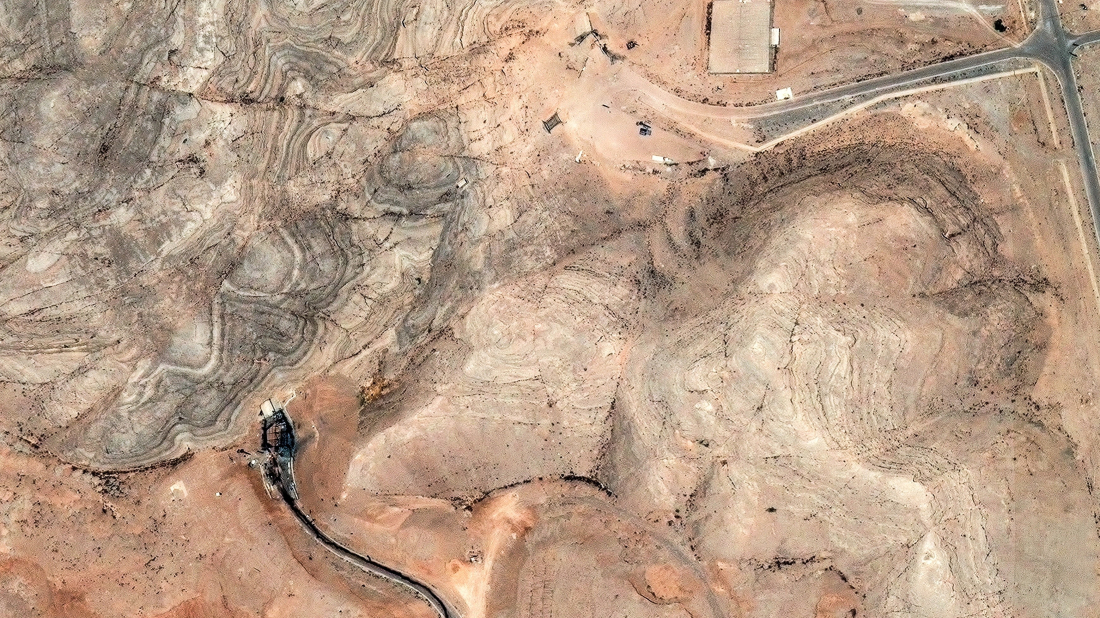
U.S. officials continue to evaluate satellite imagery, seismic data, and other intelligence to determine the full scope of the strike’s impact. Defence analysts note that Iran’s key nuclear facilities, such as the deeply buried Fordow enrichment plant, are fortified to withstand conventional air attacks. That has led to skepticism about whether the operation caused lasting damage to Iran’s most sensitive sites.
The conflicting accounts come amid rising regional tensions and ongoing international concern about Iran’s nuclear intentions. Iran has yet to issue an official assessment of the strike’s consequences, but state media have reported “limited disruption” to technical operations.
As both sides attempt to control the narrative, observers warn that the true state of Iran’s nuclear program may remain unclear for weeks—if not longer.













What is your opinion on this topic?
Leave the first comment