live U.S. President Trump asks NATO allies for urgent support in Hormuz, diplomats say - Thursday 9 April
Iran suggested it would be "unreasonable" to proceed with talks to forge a permanent peace d...
The Israeli military announced on Thursday that it had intercepted two missiles launched from Yemen, as Iran-aligned Houthi forces stepped up their long-range attacks amid ongoing regional tensions.
Sirens sounded twice across Israel, including in Jerusalem and parts of the occupied West Bank, warning of incoming threats. The Israeli Defense Forces (IDF) confirmed successful interception of the missiles, which were believed to be launched toward central Israeli targets.
Houthi military spokesperson Yahya Saree claimed responsibility for the attack, stating that the group had launched a ballistic missile toward Ben Gurion Airport, Israel’s main international gateway, as well as two drones targeting the Tel Aviv area.
Despite ongoing Israeli retaliatory airstrikes in Yemen, the Houthis vowed to continue their campaign. “Our operations against Israel will persist in support of Gaza,” the group said in a statement, reiterating their declared alignment with Palestinian factions in Gaza amid the war that erupted in October 2023 between Israel and Hamas.
The Houthis, who are based in northern Yemen, have fired dozens of missiles and drones toward Israel over the past seven months. Most have been intercepted by Israeli air defense systems or fallen short, according to Israeli authorities.
In response to the attacks, Israel has launched multiple airstrikes inside Yemen. A May 6 strike damaged Sanaa International Airport, and further Israeli strikes targeted Hodeidah and Salif ports on Yemen’s Red Sea coast last week.
While the Houthis recently agreed to a ceasefire with the United States aimed at halting their attacks on U.S. vessels in the Red Sea, they insist their operations against Israel will continue, underscoring the broader regional fallout of the Israel-Hamas conflict and growing Iran-backed militant activity across the Middle East.
There were no immediate reports of damage or casualties from Thursday's missile interceptions. Israeli officials have reiterated that the country's multi-layered missile defense system, including David's Sling, Iron Dome, and Arrow, remains on high alert.

China and Russia vetoed a United Nations Security Council resolution on Tuesday aimed at coordinating defensive efforts to protect commercial shipping in the Strait of Hormuz, leaving no agreed international framework for securing the vital route.
Lebanon’s Hezbollah said it had stopped firing on northern Israel and Israeli forces on Wednesday as part of a two-week ceasefire in the Middle East brokered between the United States and Iran. However, a Hezbollah lawmaker warned that the pause could collapse if Tel Aviv does not adhere to it.
Pakistan’s Prime Minister Shehbaz Sharif said Iran and the United States, along with their allies, have agreed to an immediate two-week ceasefire covering all areas, but Israel says the deal excludes Lebanon. Tel Aviv says the U.S. is committed to achieving shared goals in upcoming negotiations.
Iran suggested it would be "unreasonable" to proceed with talks to forge a permanent peace deal with the U.S. after Israel pounded Lebanon with its heaviest strikes yet on Wednesday, killing hundreds of people. The warning came from Iran's lead negotiator, parliament speaker Mohammed Bager Qalibaf.
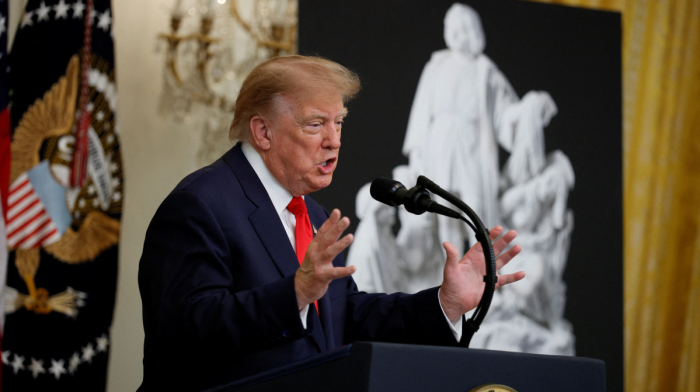
U.S. President Donald Trump announced on Tuesday that he had agreed to a two-week ceasefire with Iran, less than two hours before his deadline for Tehran to reopen the Strait of Hormuz or face U.S. attacks on its civilian infrastructure.
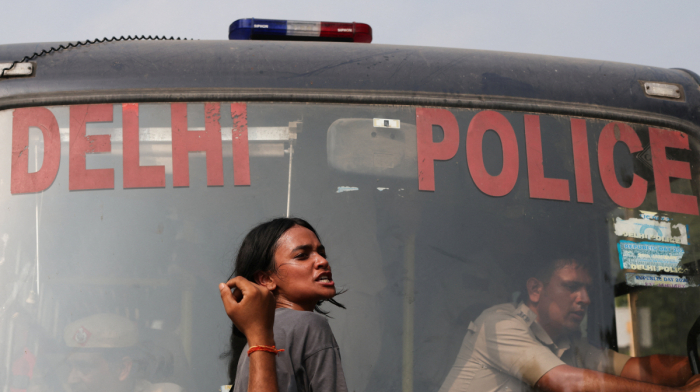
Millions of Indians queued to vote in local elections across two states on Thursday, kicking off four key contests this month.
Afghanistan and Pakistan have agreed to continue dialogue and avoid steps that could worsen tensions after China-hosted talks in Urumqi, with Kabul and Beijing saying the meetings focused on easing differences and improving relations.
Lithuania’s Prime Minister’s visit to Azerbaijan on 9 April signals a deepening strategic dialogue between Baku and European partners. Analysts say economic interests and geopolitical shifts are driving closer engagement.
Italian Prime Minister Giorgia Meloni said on Thursday (9 April) that restoring freedom of navigation in the Strait of Hormuz is a vital interest for both Italy and the European Union, pledging coordination with international partners to ensure safe passage.
Kazakhstan says oil exports via the Caspian Pipeline Consortium (CPC) remain stable after drone strikes on facilities near Novorossiysk, despite damage to key infrastructure and rising risks to a major export route.
You can download the AnewZ application from Play Store and the App Store.
What is your opinion on this topic?
Leave the first comment