Tech stocks plummet worldwide as Democrat midterm win spooks AI investors
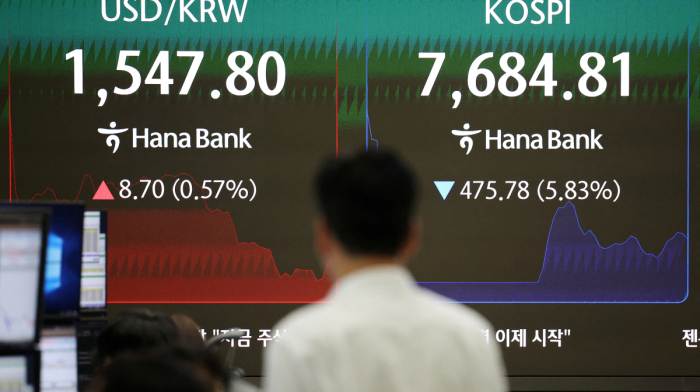
Democrats' sweeping victory in the U.S. midterm elections has sent technology stocks plunging, as investors fear tougher AI regulations could s...
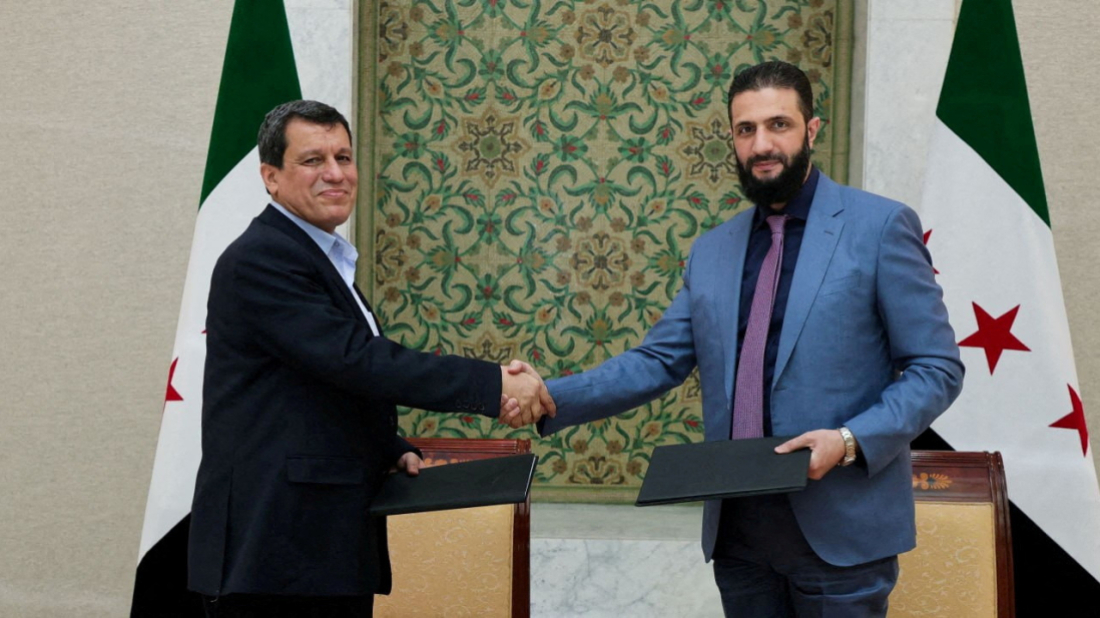
The Kurdish-led Syrian Democratic Forces (SDF) signed an agreement with Syria’s interim government on Monday to integrate its civilian and military institutions into the state, marking a significant shift in the country’s post-war landscape.
Photos released by the Syrian presidency showed interim President Ahmed al-Sharaa and SDF commander Mazloum Abdi shaking hands in Damascus, finalizing a deal that brings SDF-controlled areas in northeast Syria under government administration.
The agreement allows for the transfer of border crossings, an airport, and oil and gas fields into Damascus' control by the end of the year. However, it does not clarify how the SDF’s forces will be incorporated into Syria’s defense ministry, a key unresolved issue.
The move comes as Sharaa faces unrest in western Syria, where mass killings of Alawite civilians have sparked widespread condemnation. U.S. Secretary of State Marco Rubio condemned the violence, while analysts say the deal with the SDF could help Sharaa consolidate power and reassure minority groups.
For the SDF, the deal is seen as a hedge against uncertainty, particularly amid fears that U.S. President Donald Trump could suddenly withdraw American troops from Syria, ending a decade-long partnership with Kurdish forces against Islamic State.
The SDF has long been in conflict with Turkey-backed armed groups in northern Syria, though Ankara has not yet commented on the agreement.
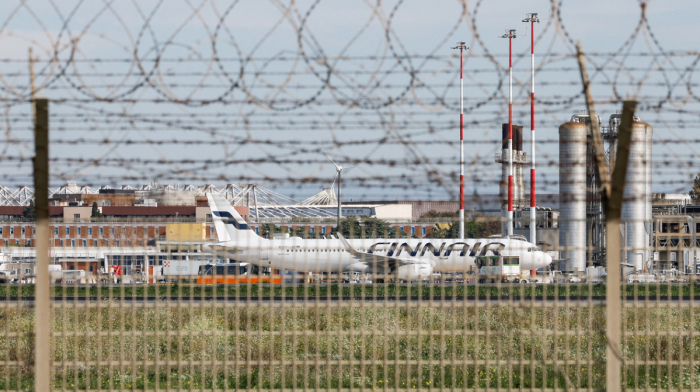
Romanian authorities said late on Thursday that two additional planes had received bomb threats including a KLM flight to Tel Aviv that had a layover in Bucharest.
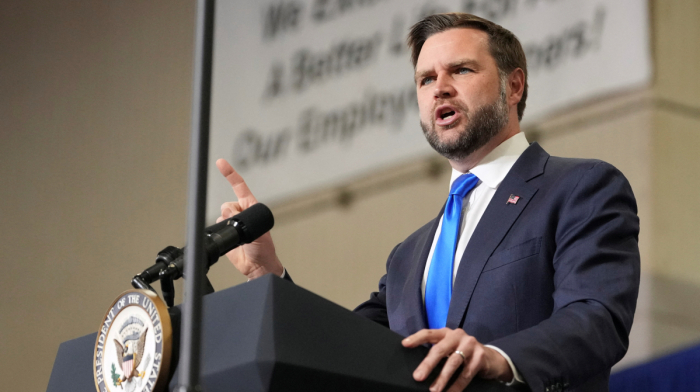
U.S. Vice President JD Vance has blamed the war with Iran for the Republicans' defeat in the 2026 midterm elections, arguing that voters who supported President Donald Trump in 2024 turned to the Democrats because of foreign policy and economic concerns.
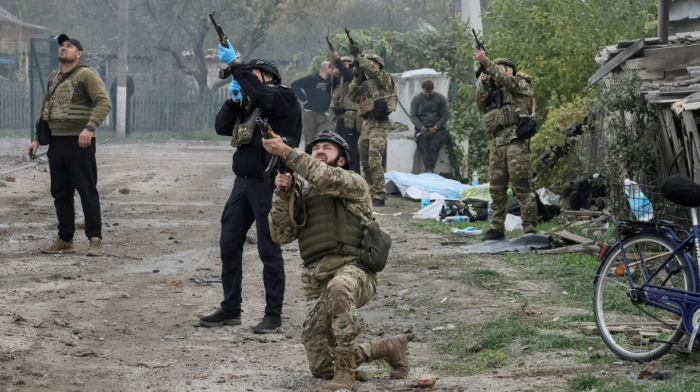
The war between Russia and Ukraine continued to claim civilian lives this week even as diplomatic activity intensified ahead of planned peace discussions in Abu Dhabi.
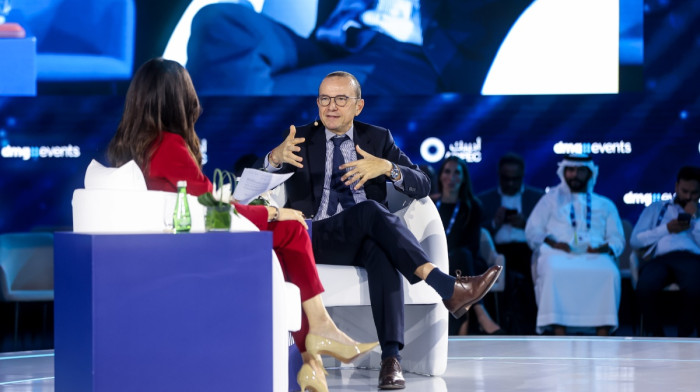
As oil prices surge amid conflict in the Gulf, energy leaders at ADIPEC in Abu Dhabi are confronting two major challenges: securing global supplies and meeting soaring electricity demand from artificial intelligence.
A British healthcare worker who contracted Ebola while working in the Democratic Republic of Congo is being transferred to the United Kingdom for specialist medical care, according to British authorities.
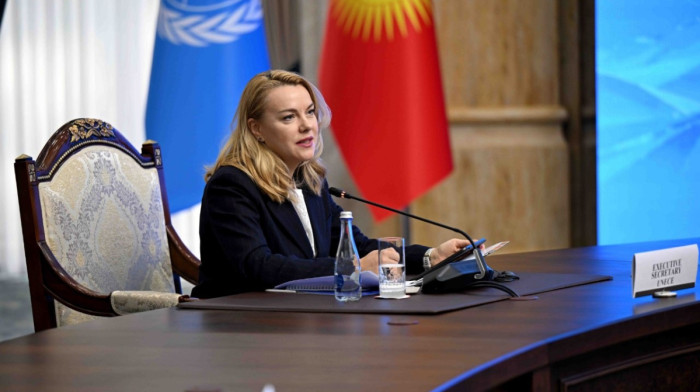
Kyrgyzstan has become the first Central Asian country to join a new UN rail freight convention designed to cut transport costs, speed up cross-border shipments and strengthen trade links between Europe and Asia.
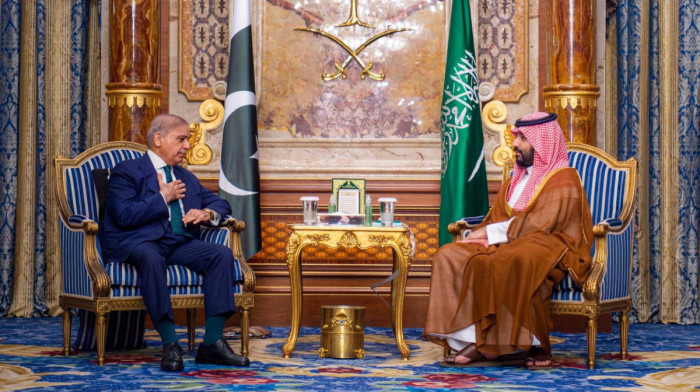
Saudi Arabia has given Pakistan more time to repay a $3 billion loan. Pakistan's Finance Minister, Muhammad Aurangzeb, announced the extension on Wednesday (4 November).
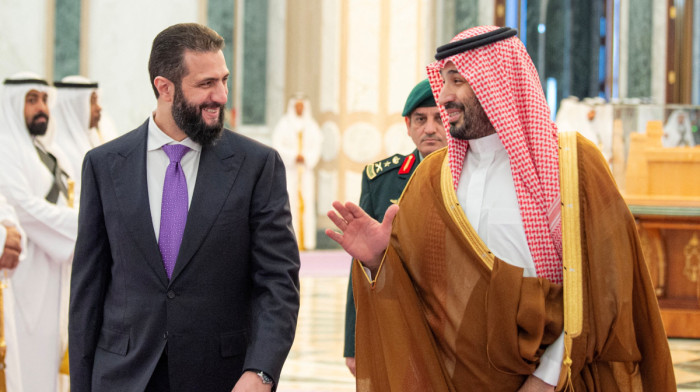
Saudi Arabia and Syria have signed a defence cooperation deal as the Gulf kingdom continues to face missile and drone attacks by Yemen’s Houthi rebels.
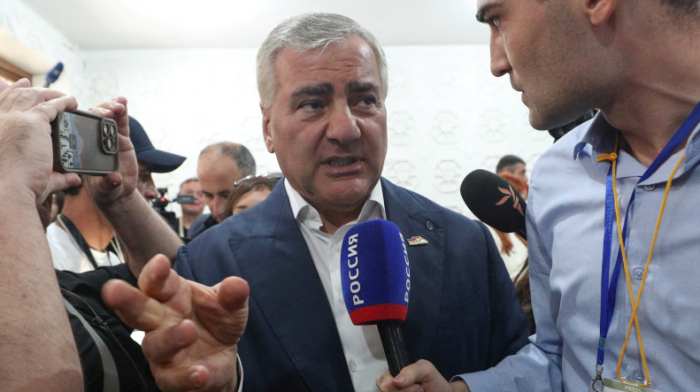
Samvel Karapetyan, leader of Armenia’s main opposition party, has been remanded in custody for one month on embezzlement and money laundering charges linked to Electric Networks of Armenia (ENA), a utility company at the centre of a dispute with the government.
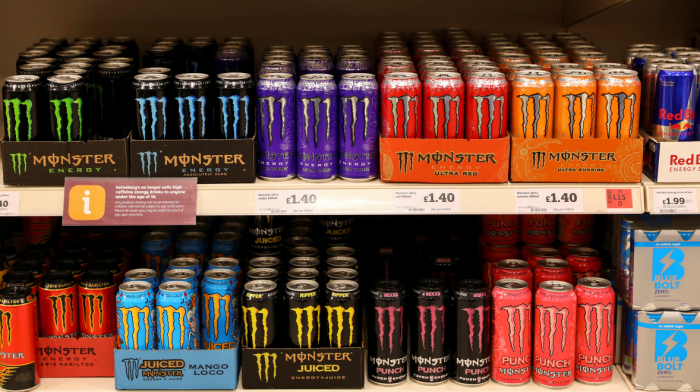
Kyrgyzstan could become the first country in the world to ban energy drinks. Kyrgyz President Sadyr Japarov has instructed ministers to examine the possibility of prohibiting the production and import of the beverages, citing health concerns, state news agency Kabar has reported.
You can download the AnewZ application from Play Store and the App Store.
What is your opinion on this topic?
Leave the first comment