Kenyan cult leader Paul Mackenzie sentenced to 200 years for deaths of 190 children
A Kenyan court has sentenced cult leader Paul Mackenzie to 200 years in prison over the deaths of 190 children in one of the country's worst cu...
U.S. consumer prices rose at their fastest pace in five months in June, signaling the early impact of tariffs on inflation. However, subdued demand and falling service prices may keep the Federal Reserve cautious about rate changes.
Consumer inflation in the U.S. picked up in June, with the Consumer Price Index (CPI) rising 0.3%—the sharpest monthly increase since January—driven by higher costs for goods and housing.
The data suggests early signs of tariff pass-through, particularly following President Donald Trump’s announcement of sweeping new import duties.
Despite this uptick, core inflation remains relatively muted due to easing service prices, including hotel stays and airfares. Economists expect more significant tariff-related price pressures in the coming months, especially on imported goods like appliances and apparel.
Food and fuel also saw modest gains, while used car prices declined. The core CPI, excluding food and energy, rose 0.2% in June and 2.9% annually. Economists say the Fed is likely to keep interest rates unchanged at its upcoming meeting, awaiting more data before making any policy shifts.
While Trump continues to call for rate cuts, most Fed officials remain cautious, pointing to lingering uncertainty over inflation’s trajectory and labor market signals. Market reactions were mixed, with stocks steady and bond yields slightly higher.
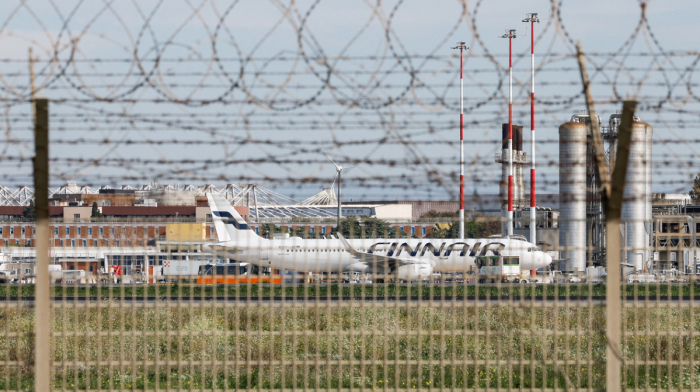
Romanian authorities said late on Thursday that two additional planes had received bomb threats including a KLM flight to Tel Aviv that had a layover in Bucharest.
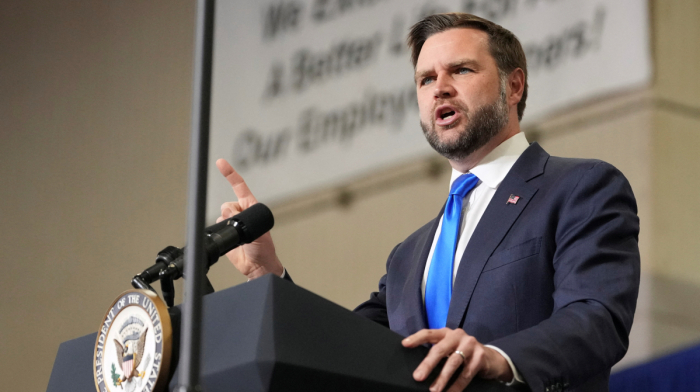
U.S. Vice President JD Vance has blamed the war with Iran for the Republicans' defeat in the 2026 midterm elections, arguing that voters who supported President Donald Trump in 2024 turned to the Democrats because of foreign policy and economic concerns.
The war between Russia and Ukraine continued to claim civilian lives this week even as diplomatic activity intensified ahead of planned peace discussions in Abu Dhabi.
A British healthcare worker who contracted Ebola while working in the Democratic Republic of Congo is being transferred to the United Kingdom for specialist medical care, according to British authorities.
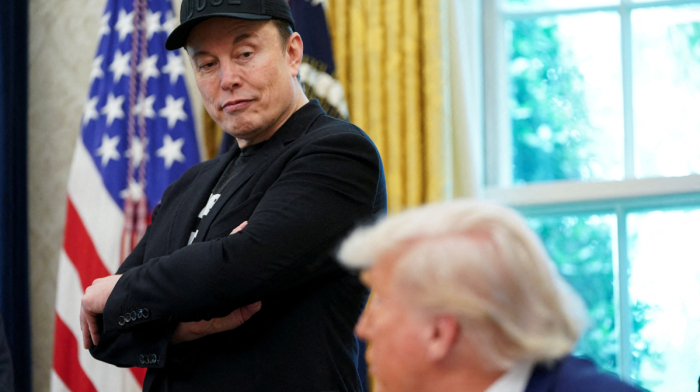
Elon Musk was not on the ballot in Tuesday’s U.S. midterm elections, but he emerged as one of the biggest losers after Democrats swept to victory, threatening his political influence and exposing his business empire to greater scrutiny.
Australian design platform Canva has announced a major restructuring affecting 22 per cent of its workforce, with 1,271 employees facing job cuts, relocations or changes to their roles as the company grapples with slowing growth and rising AI costs.
British Petroleum (bp) spent nearly $1.5 billion with suppliers and contractors across Azerbaijan, Georgia and Türkiye in the first nine months of 2026, highlighting the economic reach of major energy projects beyond oil and gas production.
Seven OPEC+ countries agreed on Sunday, 1 November, to keep oil production targets unchanged for December, extending an earlier freeze. But with the Iran war disrupting supplies and prices fluctuating, what is really driving the global oil market?
Cryptocurrencies are volatile, and their crashes make headlines. But does a slump in digital coins ever spill over into the pounds, dollars and euros in people's bank accounts? The short answer is not directly, but indirectly it can, and regulators are increasingly worried about how.
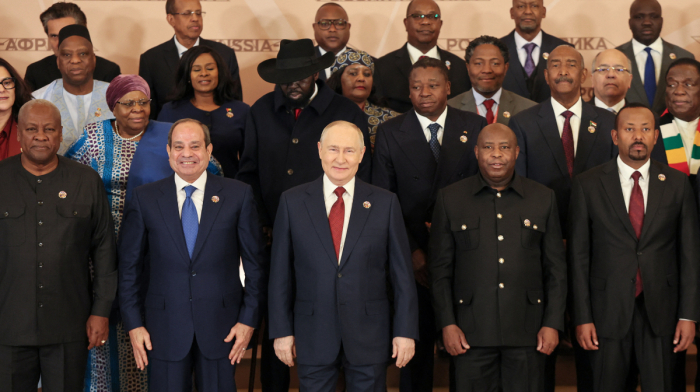
Russian President Vladimir Putin has praised record trade with Egypt as Moscow seeks to use its economic ties with Cairo to expand its influence across Africa, with a focus on manufacturing, infrastructure and energy.
You can download the AnewZ application from Play Store and the App Store.
What is your opinion on this topic?
Leave the first comment