Iran has reiterated its position this week on a de-escalation with the United States during recent high-level visits to Tehran by Pakistani Army Chief Field Marshal Asim Munir and Russian Foreign Minister Sergei Lavrov.
Top-ranking officials in Tehran have conveyed the country’s views in the standoff with Washinton particularly on the key issues of sanctions, Strait of Hormuz and Tehran’s civilian nuclear programme.
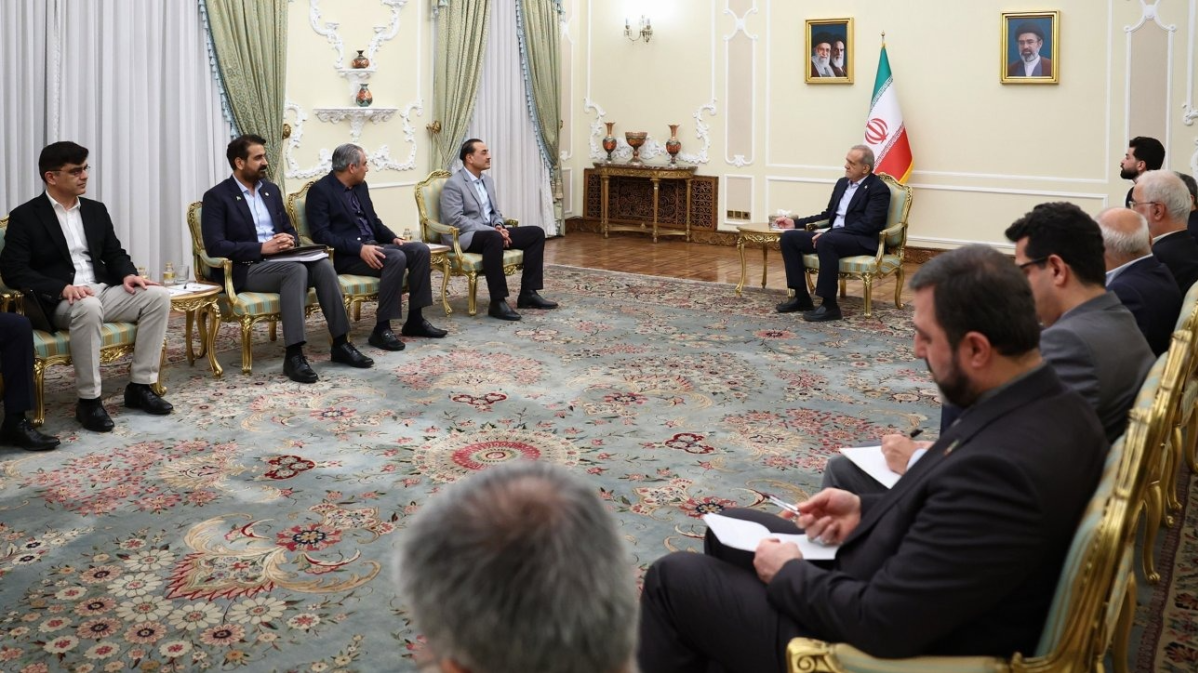
“The U.S. must lift its sanctions and end its threats and pressure against Iran before any negotiations can take place,” President Masoud Pezeshkian said during a meeting with the visiting Pakistani Army Chief Asim Munir late on Tuesday.
“Iranians do not trust the United States, fearing that Washington might launch another attack even if negotiations resumed,” he added quoted by the website of Iranian President’s Office.
General Munir, whose country has been mediating between Iran and the U.S. and oversaw the signing of an interim peace deal in June, visited Tehran in a bid to intensify de-escalation measures set forth by Qatar.
According to official sources, Parliament Speaker Mohammad Bagher Ghalibaf told the visiting Pakistani official that the “U.S. has no new message from Iran and can only earn Tehran’s trust by fulfilling Iran’s conditions including on re-opening the Strait of Hormuz”.
He said threats and military moves cannot influence the strategic decisions of Iran, adding that “it was America that got into the quagmire with its miscalculations and war against Iran. Now it is they who must take the necessary steps to get out.”
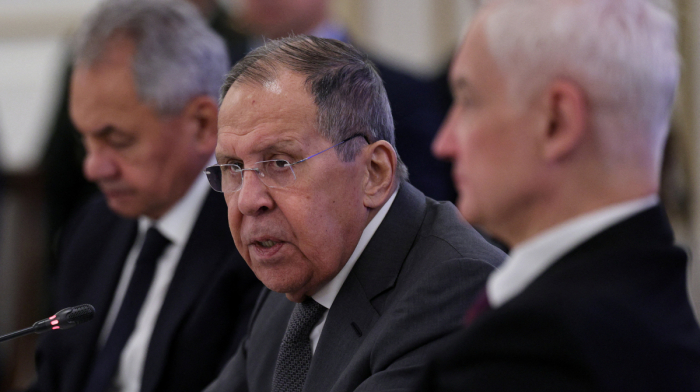
Earlier in the week, Pezeshkian hosted Russian Foreign Minister Sergey Lavrov in Tehran, telling the envoy U.S. military bases in the region have been “the source of tensions, instability and insecurity”.
The unresolved nuclear issue
Official reports from the meetings in Tehran suggest that the nuclear issue remains a major stumbling block on reaching a new ceasefire deal.
The Secretary of Iran’s Supreme National Security Council, Mohsen Rezaei, said that no enriched nuclear material would be removed from Iran.
“The enriched uranium is a major national asset that would remain in the country for domestic use,” the WANA news agency quoted the former commander of the Revolutionary Guards (IRGC) as saying.
The remarks by Iran’s security chief were echoed by Foreign Ministry Spokesman Esmaeil Baghaei who in a weekly press briefing this week. He confirmed that the nuclear issue was raised in the discussions with Lavrov, and rejected reports that Iran has walked back its stance that the nuclear programme is for peaceful purposes.
“We have absolutely not deviated from our principal positions. Because our positions are in line with Iran's national interests,” Baghaei said.
Meantime, the Spokesman of Parliament’s National Security and Foreign Policy Commission Hassan Ghashghavi rejected reports that the nuclear dispute was discussed in diplomatic negotiations with Western or regional parties, stressing that Iran’s nuclear programme is not currently on the diplomatic agenda, according to a report from WANA.
The nuclear issue was also raised during the Pakistani military chief's visit to Tehran, with Munir reiterating that “Iran’s position on the Strait of Hormuz and its reopening depends on the United States accepting and implementing Iran’s seven stated conditions.”
Read more:









What is your opinion on this topic?
Leave the first comment