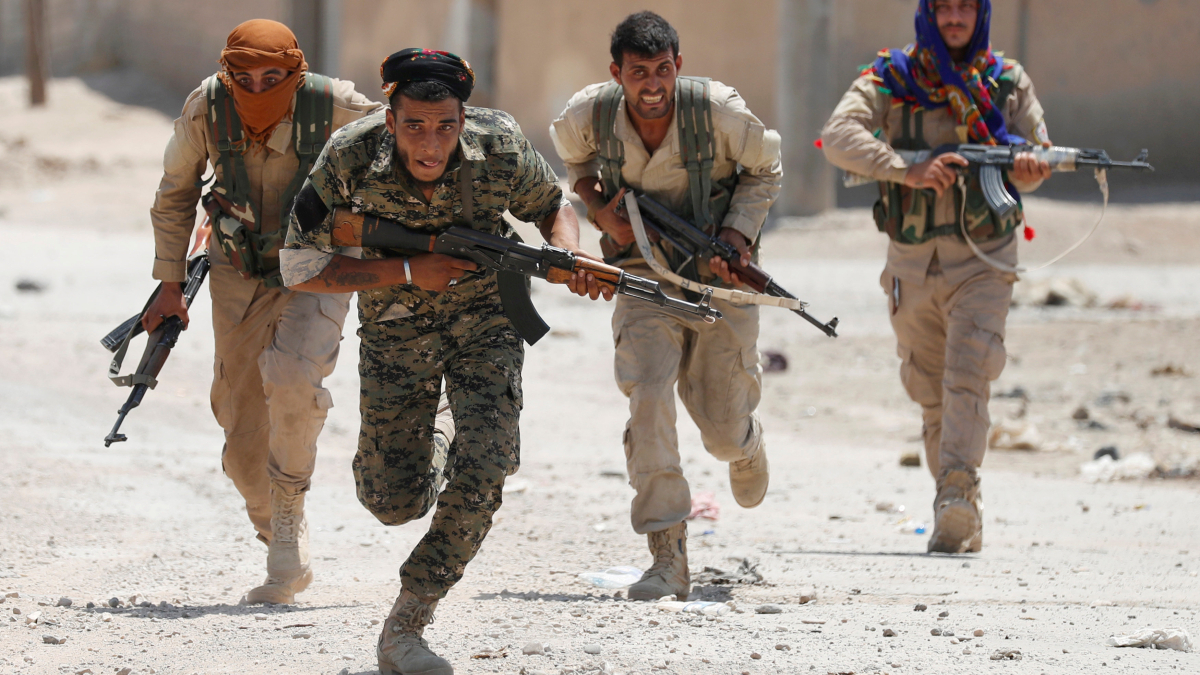
The YPG has announced that it is dissolving its so-called autonomous administration and ending its separate military and civilian structures, marking a significant step towards bringing the group under the authority of the Syrian state.
Ferhat Abdi Sahin, a senior YPG figure also known by the code name Mazloum Abdi, made the announcement on Tuesday, 25 August, at the People's Palace in Damascus.
The move follows an agreement reached with Syrian President Ahmed al-Sharaa earlier this year, which set out a process for integrating YPG forces into the Syrian army and state institutions.
YPG forces to join Syrian army
Sahin said the decision had been taken after the integration process reached the required stage.
“Following the agreement reached with President Ahmed al-Sharaa, and upon completion of the process of integrating our forces into the brigades of the Syrian army, we announce today, with a great sense of responsibility, that we are dissolving ourselves as an independent military force.”
The announcement effectively ends the YPG's separate military structure, at least formally, as Damascus seeks to consolidate control over territory and armed groups following years of conflict.
The Syrian administration and the YPG reached a new agreement on 29 January. It included a ceasefire and called for the gradual integration of the group's military and civilian institutions into Syria's state structures.
A major shift after years of conflict
The development represents a significant change for northern and eastern Syria, where the YPG and its associated institutions have exercised substantial control for years.
The group emerged as a major armed force during the Syrian war and became a key U.S. partner in the fight against Daesh. Its role, however, has remained deeply controversial, particularly in neighbouring Türkiye, which considers the YPG an extension of the PKK and a terrorist organisation.
For Damascus, bringing the YPG's forces and institutions under central government authority is part of a broader effort to restore state control across Syria after more than a decade of war.
Questions remain over implementation
While Tuesday's announcement is an important political milestone, the practical details of the integration process will determine how much authority Damascus ultimately gains over former YPG-held areas.
The process is expected to involve the incorporation of fighters into Syrian army brigades, alongside the transfer of civilian institutions to the state.
The agreement could also reshape the balance of power in a region where Syria, Türkiye and the United States have competing interests.
For residents who have lived through years of fighting and fragmented rule, the success of the arrangement will depend on whether the transition brings lasting security and functioning state institutions.
Read more about Syria:












What is your opinion on this topic?
Leave the first comment