U.S.-Israeli strikes on Iran: What we know so far
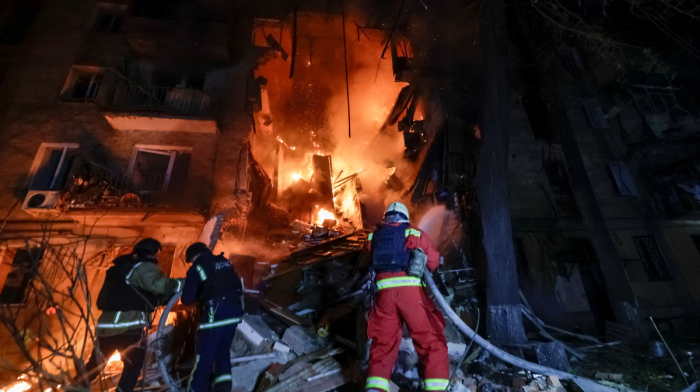
The United States and Israel have carried out large-scale strikes on Iranian leadership and military targets, with Iranian state media confirming t...
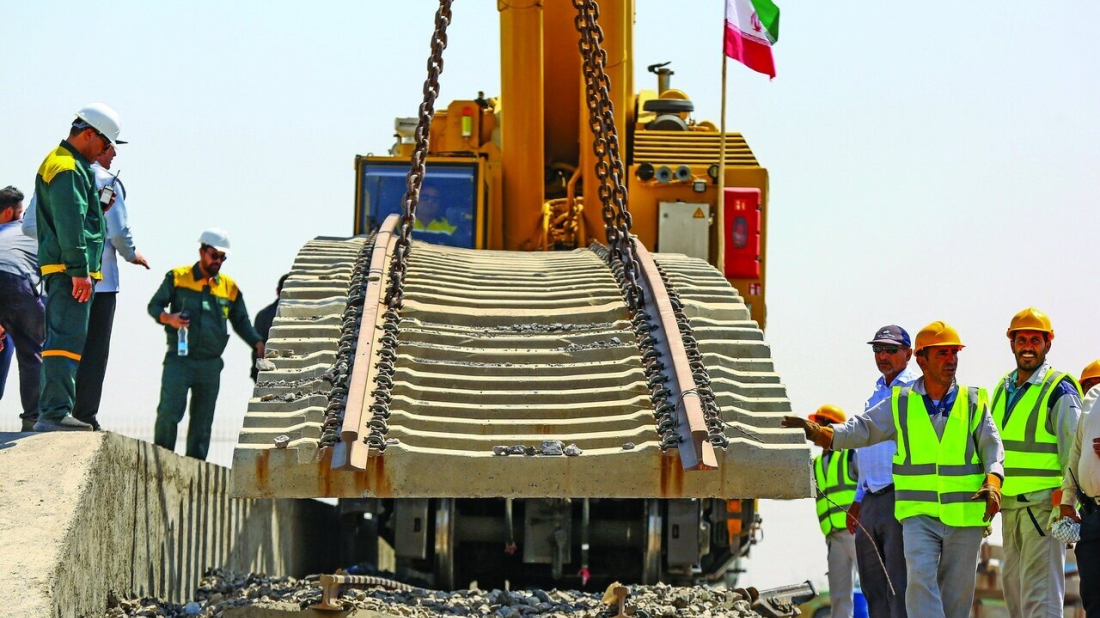
Iran seeks to expand its transportation opportunities amid US sanctions by developing new railway connections with neighbouring countries.
The country’s railway expansion is aimed to turn Iran into a transit hub within the International North–South Transport Corridor (INSTC).
Stressing a beneficial geopolitical location of Iran, national railway’s official Mostafa Davoodi has said that "Iran has a good position as a transport hub that connects Middle East and Europe to the Far East and Southeast Asia, as well as unlock access to the Indian Ocean for Central Asian countries."
He said that a new railway connection between the Iranian border town of Shalamcheh and the southeastern Iraqi city of Basra will be kicked off by February 2026 after a decade of preparation.
The Shalamcheh-Basra railroad is to connect Iran to Najaf and Karbala in Iraq, making a pilgrims’ journey to the Muslim holy sites easy. The new 32-kilomter railroad will expand trade and transportation opportunities between the two countries. Up to 10 million tons of cargo and 12 million passengers are expected to be transported annually, according to Iran’s expectations.
As part of the project, Iran aims to build an overpass on the river that divides the two countries, known as the Arvand River in Iran and Shatt al-Arab in Iraq.

Follow the latest developments and global reaction after the U.S. and Israel launched “major combat operations” in Iran, prompting retaliation from Tehran.
Tensions between the U.S. and Iran are escalating, with Washington ordering a significant military build-up in the region and multiple countries evacuating diplomatic staff amid fears of further instability.
Governments across the region responded swiftly to Israel’s strikes on Iran, closing airspace, issuing travel advisories and activating contingency plans amid fears of escalation.
A senior Iranian official has warned Israel to “prepare for what is coming”, insisting that Tehran’s response to the latest escalation in the Middle East will be made openly and without limits.
Ayatollah Alireza Arafi has moved into a pivotal constitutional role following the death of Supreme Leader Ayatollah Ali Khamenei, becoming the clerical member of Iran’s temporary leadership council under Article 111 of the Constitution of the Islamic Republic of Iran.
The United States and Israel have carried out large-scale strikes on Iranian leadership and military targets, with Iranian state media confirming that Supreme Leader Ayatollah Ali Khamenei was killed.
Follow the latest developments and global reaction after the U.S. and Israel launched “major combat operations” in Iran, prompting retaliation from Tehran.
Ayatollah Alireza Arafi has moved into a pivotal constitutional role following the death of Supreme Leader Ayatollah Ali Khamenei, becoming the clerical member of Iran’s temporary leadership council under Article 111 of the Constitution of the Islamic Republic of Iran.
A number of senior Iranian figures have reportedly been killed in Saturday’s joint U.S.–Israeli airstrikes on Iran, according to Iranian state media, Israeli military statements and international reporting. Some of the details remain unverified. .
The death of Iran’s Supreme Leader Ayatollah Ali Khamenei has triggered one of the most significant political processes in the Islamic Republic: the selection of a new Supreme Leader.
You can download the AnewZ application from Play Store and the App Store.
What is your opinion on this topic?
Leave the first comment