Israel, Colombia announce mutual visa exemption from September
Israel and Colombia will waive advance visa requirements for travellers from 1 September as the two countries move to restore diplomatic and econom...
The United States is working with Qatar on a plan that could give Iran access to billions of dollars in frozen funds for humanitarian purchases, The Wall Street Journal reported, citing people familiar with the matter.
The plan, which has not yet been finalised, would initially involve around $6 billion in Iranian funds held in Qatar, according to the report. The money would reportedly be used for purchases of food, medicine and other humanitarian goods ordered by Iran’s central bank.
The arrangement could also serve as a model for handling other pools of Iranian assets frozen abroad under sanctions, the report said.
Iran still needs to agree to the mechanism, according to WSJ. The proposal is expected to be among several issues raised during upcoming nuclear discussions between Washington and Tehran following a deal to pause hostilities and reopen the Strait of Hormuz.
The report said the funds would come from Iranian oil revenues that have been blocked overseas by sanctions. Washington would need to issue waivers and authorisations to allow such transactions to move forward.
The possible release of frozen assets comes as part of wider efforts to encourage diplomatic progress with Iran. However, critics say easing access to funds before Tehran makes concessions on its nuclear programme could give Iran significant benefits too early in the process.
Supporters argue that a controlled mechanism would allow humanitarian purchases while giving Washington greater oversight of how the funds are used.
The collective-defence agreement between Türkiye, Saudi Arabia and Pakistan signals that regional powers no longer want to rely solely on external security guarantees. Whether it becomes a stabilising deterrent or another axis of rivalry remains unresolved.
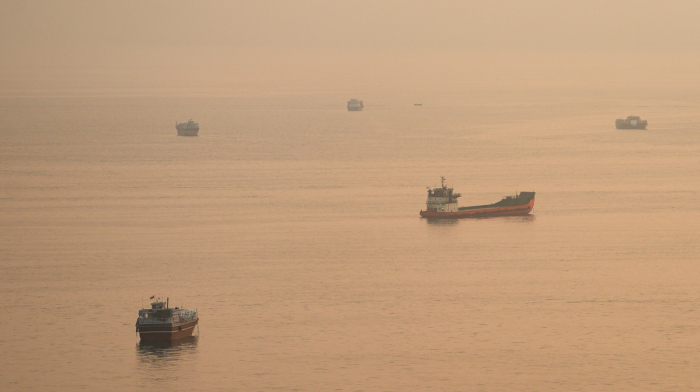
Shipping traffic through the Strait of Hormuz remains limited on Thursday, with no increase in vessel crossings as U.S.-Iran talks to resolve the conflict remained stalled. Nine commodity vessels transited the key waterway on Wednesday, unchanged from the previous day, according to Kpler data.
Shipping through the Strait of Hormuz has slowed, according to the latest data, as uncertainty over the waterway’s reopening kept most shipowners away. Six commodity vessels crossed the strait on Tuesday, down from nine the day before and below the 10-day daily average of 11.
Start your day informed with AnewZ Morning Brief. Here are the top news stories for the 20th of August, covering the latest developments.
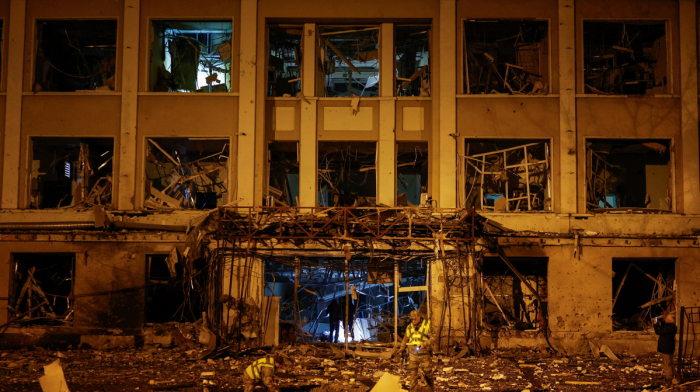
Russian ballistic missile strikes on Ukraine’s capital Kyiv has killed at least sixteen people and injured more than forty others, Ukrainian officials said, with fires reported across the city and Poland activating defensive air operations.
Pakistan is deepening engagement with Syria’s new leadership as Israeli strikes add fresh pressure on the country’s fragile political transition, with Syrian Foreign Minister Asaad al-Shaibani concluding a landmark visit to Islamabad.
Afghanistan and Belarus have agreed to advance joint industrial projects, investment and technical cooperation following talks in Minsk, as Kabul seeks Belarusian machinery and support to develop domestic manufacturing.
Uzbekistan and Azerbaijan are drawing up a new programme aimed at boosting bilateral trade to $1 billion by 2030, as the two countries move to deepen economic and industrial ties.
Syria says it assured Israel that Türkiye had no plans to establish a military presence at the Abu al-Duhur airbase before Israeli forces struck the site on Tuesday.
Israeli Prime Minister Benjamin Netanyahu has issued his strongest warning yet over Türkiye's growing military role in Syria, saying Israel will not accept Turkish forces expanding their presence further south.
You can download the AnewZ application from Play Store and the App Store.
What is your opinion on this topic?
Leave the first comment