Afghanistan and Iran discuss trade, border transit and prisoner transfers
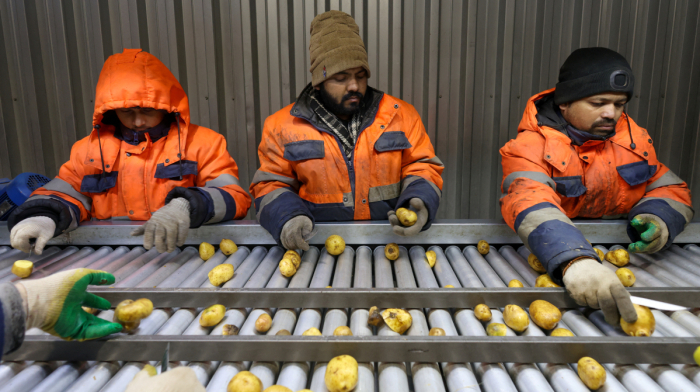
Afghanistan’s consul general in Mashhad and the governor of Iran’s Khorasan Razavi province have discussed expanding trade, improving border trans...
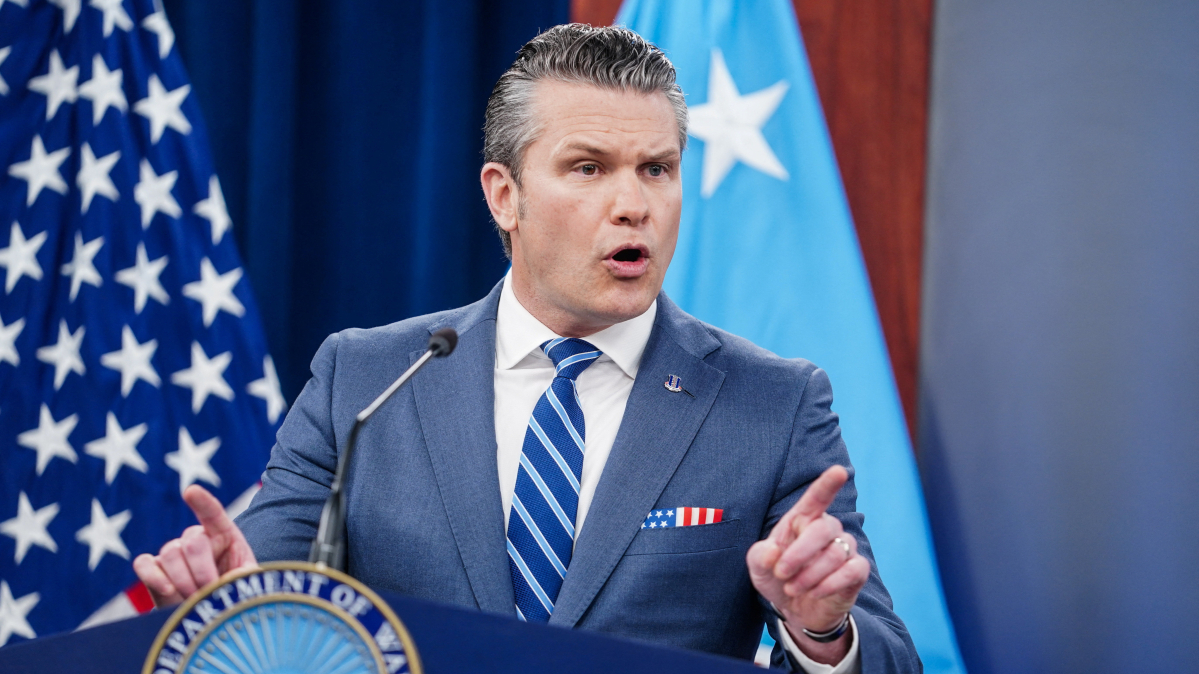
The United States has expanded its naval blockade on Iran, allowing forces to stop, search and seize vessels suspected of carrying “contraband”, as Defence Secretary Pete Hegseth warned U.S. forces are ready to resume combat if no deal is reached.
Speaking at a joint press conference with General Dan Caine, Hegseth said U.S. forces were “postured to restart combat operations,” adding they could act “at a moment’s notice.”
“I hope Iran chooses a deal which is within its grasp,” he said.
A U.S. Navy advisory stated that vessels suspected of transporting contraband to Iran would be subject to the “belligerent right to visit and search,” regardless of location. The list includes weapons, munitions and nuclear-related materials, as well as crude oil, refined products, and metals such as iron, steel and aluminium.
General Caine said the blockade applies to all ships travelling to or from Iran’s ports, with enforcement in both Iranian territorial waters and international waters.
“We will pursue any vessel attempting to provide support to Iran,” he said, including so-called “dark fleet” tankers carrying Iranian oil. He added that no ships had yet been boarded.
Hegseth said Iran’s motivation to maintain a ceasefire was “high”, but warned that the U.S. was closely monitoring its military activity. He also dismissed Iranian claims of control over the Strait of Hormuz, stating that U.S. naval forces effectively oversee traffic through the vital route.
He added that Washington would welcome support from other countries in securing the waterway, and said China had assured the U.S. it would not supply weapons to Iran during the ceasefire.
The expanded blockade marks a further escalation in U.S. strategy, combining military readiness with broader economic pressure targeting Iran’s energy exports.

U.S. rapper Kanye West, now known as Ye, performed to a crowd of 118,000 people in Istanbul on Saturday night, marking his first concert in Europe in more than a decade, despite being barred from performing in several countries over past antisemitic remarks.
Okinawa lost transport links and suffered widespread power outages on Monday (1 June) as Severe Tropical Storm Jangmi brought destructive winds and heavy rain to Japan's south-western islands.
Iranian-made Yassin missiles were spotted mounted on Armenian Air Force fighter aircraft during Armenia's latest military parade on Thursday (28 May), drawing attention from defence observers and regional analysts.
Donald Trump said he is “in no hurry” to reach a deal with Iran, insisting the U.S. is slowly getting what it wants. He warned military action remains an option if talks fail. Meanwhile, U.S. forces said they fired a missile at a vessel trying to breach Washington’s blockade of Iran.
The World Health Organisation’s designation of the Bundibugyo Ebola virus outbreak as a Public Health Emergency of International Concern (PHEIC) is a stark reminder that Ebola remains a persistent global health threat rather than a disease of the past.
When Armenians vote on 7 June, they will be voting in an election shaped by months of political change and a rapidly deepening relationship with the European Union. The result may not only determine who governs Armenia but also the future direction of the country's geopolitical alignment.
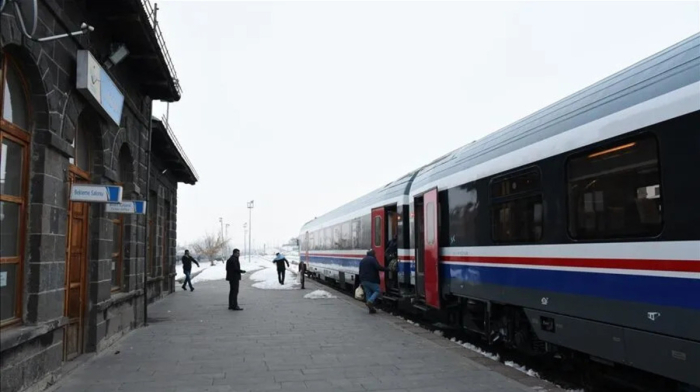
The Baku-Tbilisi-Kars (BTK) railway will resume operations on 2 June after extensive modernisation works. Officials from Azerbaijan, Georgia and Türkiye are set to gather in Akhalkalaki for a launch event marking the reopening of one of the Middle Corridor's most important transport links.
Uzbekistan recorded further declines in the production of key energy resources during the first four months of 2026, even as output of fuel products, electricity and construction materials increased, according to the latest data from the National Statistics Committee.
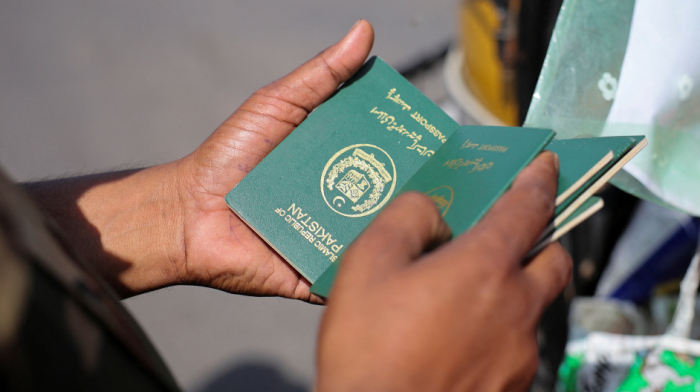
Afghanistan’s consul general in Mashhad and the governor of Iran’s Khorasan Razavi province have discussed expanding trade, improving border transit and accelerating the transfer of Afghan prisoners.
Central Asia is facing growing water stress after five consecutive years of drought, with rising temperatures, depleted soil moisture and shrinking groundwater reserves placing increasing pressure on the region, according to a new EU report.
You can download the AnewZ application from Play Store and the App Store.
What is your opinion on this topic?
Leave the first comment