live U.S. and Iran trade threats as World focus' on reopening Strait of Hormuz - Middle East conflict on 3 April
Iran has rejected claims it has been weakened, vowing instead “more crushing” attacks against the United States and ...
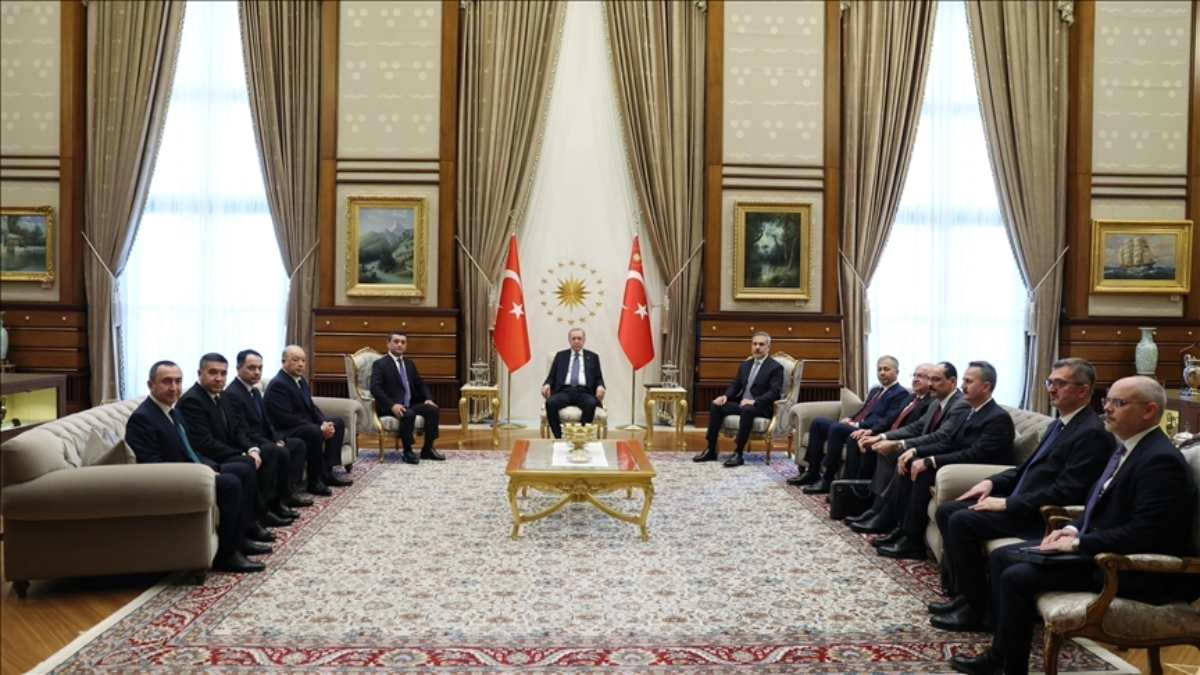
Türkiye and Uzbekistan have established a new institutional framework for security and foreign policy coordination. Held in Ankara on Tuesday (20 January), the first meeting in the “4+4” format assembled the Turkish and Uzbek ministers for foreign affairs, defense, the interior, and intelligence.
Speaking before the meeting, Turkish Foreign Minister Hakan Fidan said that longstanding ties between Türkiye and Uzbekistan represented a “strong partnership,” encompassing historical, cultural, and geostrategic dimensions. Addressing reporters, Fidan said the new 4+4 format was aimed at further enhancing bilateral ties, stressing that joint work in this regard remained ongoing.
According to the foreign minister, the new meeting format allows top officials of the two friendly nations to discuss pressing issues of common concern with optimal transparency. Fidan went on to note that Türkiye-Uzbekistan trade relations were “exceptionally good,” describing efforts by both countries on behalf of the wider Turkic world as “truly remarkable.”
Analysts, meanwhile, say the launch of the 4+4 format reflects the increasingly rapid development of bilateral ties in recent years. Yaşar Sarı, a professor of international relations at Istanbul’s Ibn Haldun University, said Türkiye-Uzbekistan ties had deepened significantly since 2016, when Uzbek President Shavkat Mirziyoyev came to power.
Sarı, who specialises in Eurasian affairs, emphasised that bilateral ties are particularly strong in the fields of trade and defense. “Bilateral trade volumes have tripled over the past five years, while institutional relations have developed over the same period,” he told AnewZ.
“Uzbekistan has purchased Turkish weapons systems and the two countries have adopted a joint approach to Afghanistan." Sarı added that the “changing international system” had served to create fresh opportunities for Turkish-Uzbek cooperation, “especially in defence and intelligence.”

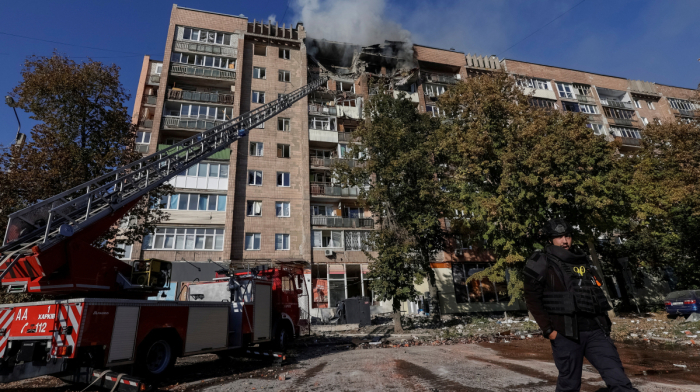
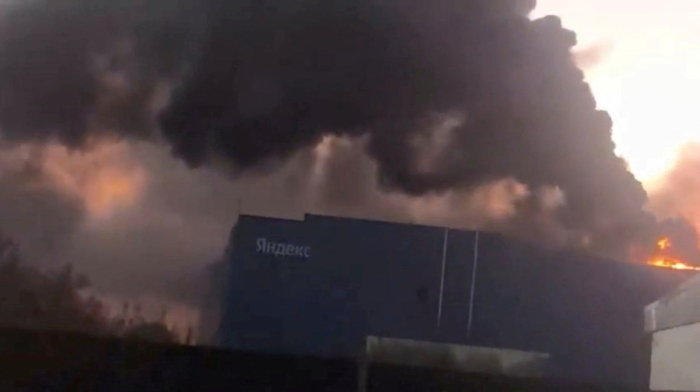
Fears of wider escalation grow despite President Donald Trump saying U.S. strikes on Iran could end within weeks. Meanwhile missile attacks, tanker incidents and rising casualties across Israel, Lebanon and the Gulf heighten risks to regional stability and energy routes.
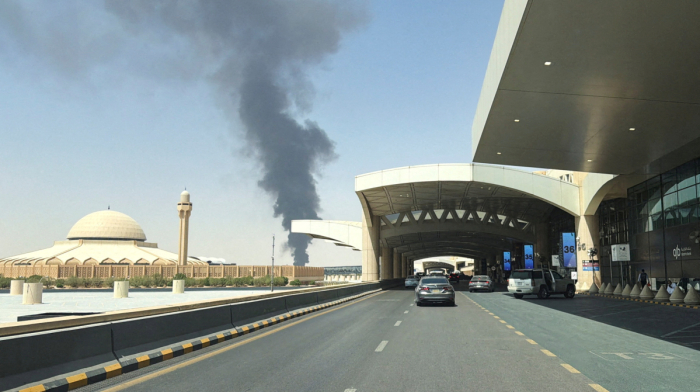
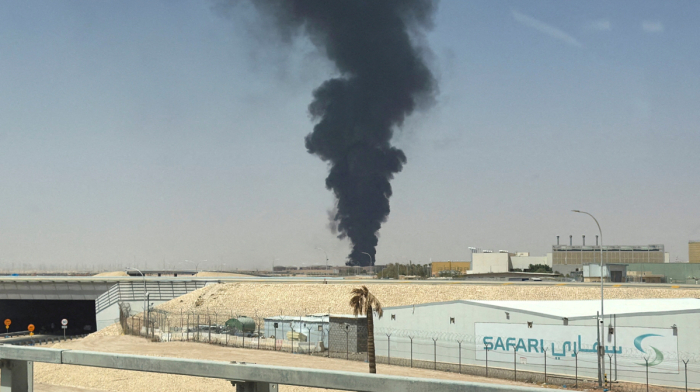
There are fears of an oil spill after a drone strike hit a Kuwaiti oil tanker near Dubai on Tuesday, while U.S.-Israeli strikes in Iran reportedly killed at least two people. A loud explosion was heard in Beirut in southern Lebanon early Wednesday, as oil prices climbed above $100 a barrel.
Russian-flagged tanker carrying approximately 700,000 barrels of crude oil docked at Cuba's Matanzas oil terminal on Tuesday, shipping data confirmed, marking a vital and controversial delivery to an island paralysed by severe energy shortages and a suffocating U.S. blockade.
Four astronauts blasted off from Florida on Wednesday on NASA's Artemis II mission, a high-stakes voyage around the moon that marks the United States' boldest step yet toward returning humans to the lunar surface later this decade in a race with China.
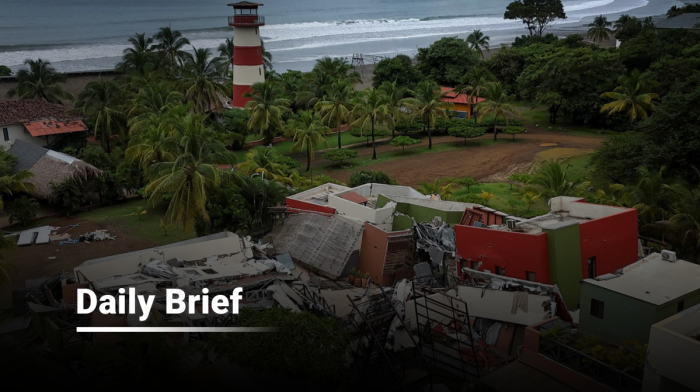
An earthquake of magnitude 7.6 struck in Indonesia's Northern Molucca Sea on Thursday, killing one person, damaging some buildings and triggering tsunami waves, authorities and witnesses said.
Former Kyrgyz MP Shairbek Tashiev has been detained in a corruption investigation linked to state oil firm Kyrgyzneftegaz, as the case expands to include members of a powerful political family.
Afghanistan remains the third most affected country globally for unexploded ordnance casualties, with more than 50 people killed or injured each month, a United Nations official has said.
Leading Turkish official Fuat Oktay this week called for the dismantling of Israel’s alleged nuclear weapons stockpile. The head of parliament’s Foreign Affairs Committee said Israel’s nuclear capability should be “eliminated as soon as possible”.
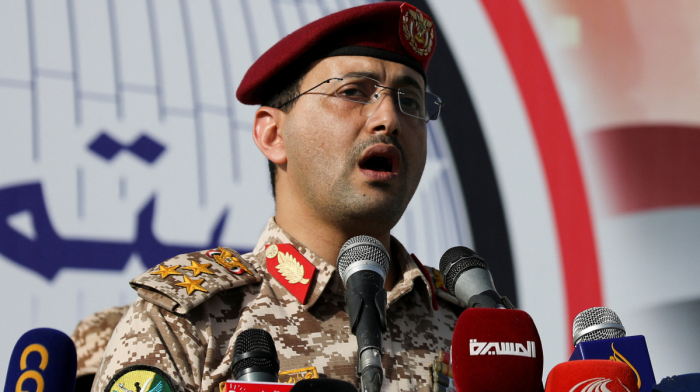
Fresh Houthi missile and drone strikes on Israel mark a significant widening of the Iran-centred conflict, raising fears the Yemen-based group could open a new front. Their position near the Bab el-Mandeb strait also threatens global shipping and energy flows.
Pakistan is holding talks with Afghanistan to end the worst conflict between the South Asian neighbours since the Taliban returned to power in 2021, Pakistan's Foreign Ministry spokesperson said on Thursday.
You can download the AnewZ application from Play Store and the App Store.
What is your opinion on this topic?
Leave the first comment