live U.S. pressure on Iran intensifies as sanctions and blockade take hold
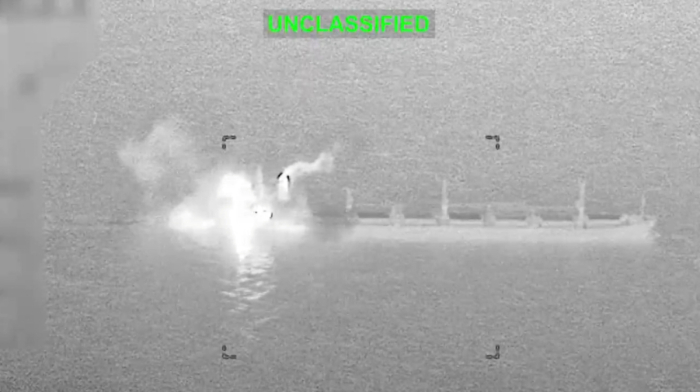
U.S. efforts to squeeze Iran’s economy through an oil blockade and sanctions are becoming increasingly difficult for Tehran to withstand, acc...
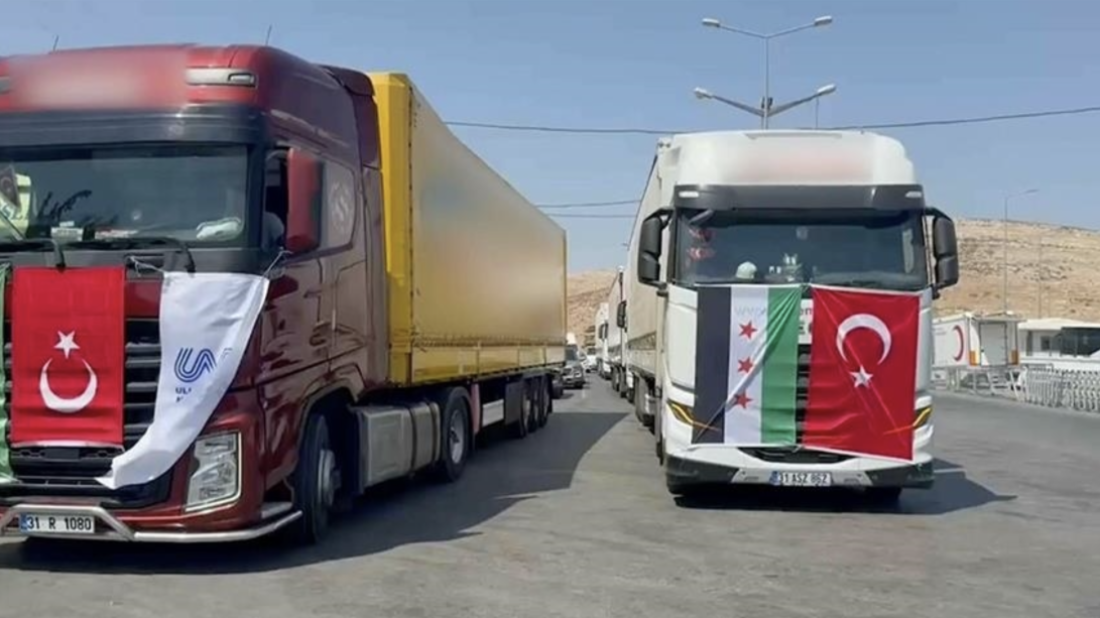
Direct road transport between Türkiye and Syria has restarted after more than a decade. The move is expected to boost trade and support Syria’s post-war recovery.
The roads between Türkiye and Syria are open once again as confirmed byTürkiye’s Minister of Transport, Abdulkadir Uraloğlu, who said that the move which comes after 13 years marks a major step in reconnecting the two neighbors.
Trucks carrying goods have begun to travel directly between Mersin and Aleppo, and Idlib and Mersin, eliminating the need for costly transfers at the border.
Officials say the move will speed up deliveries to Jordan and Saudi Arabia as well, strengthening trade and lowering transport costs across the wider region.
The reopening follows the fall of Bashar al-Assad’s regime in December 2024, and the formation of a new transitional administration in Damascus.
Since then, Ankara has expanded cooperation with Syria, signing a memorandum on road transport and holding technical talks to make this return to normal operations possible.
Beyond trade, Türkiye is playing a central role in helping Syria rebuild after years of conflict, supporting the restoration of power plants and energy infrastructure, and providing expertise in health, agriculture, and other vital sectors.
At the same time, Turkish forces remain active along the border, continuing operations against terrorist groups that once destabilized both countries.
Officials stress that these renewed transport links symbolize more than just trucks on the road; they represent growing stability, new opportunities for exporters and regional economies, and the possibility of a fresh chapter in Turkish-Syrian relations.

Russian President Vladimir Putin has said that he thinks there is a chance of a peace being reached with Ukraine. He told the Eastern Economic Forum in Vladivostok, Russia that he believed there was "a chance of finding a solution," to the conflict.
The U.S. has launched a fresh wave of strikes on Iran, targeting Islamic Revolutionary Guard Corps (IRGC) sites as Tehran retaliated against U.S. positions across the region, while Iranian officials said at least five people were killed and dozens wounded at a wedding near Sirik.
The Iranian Health Ministry said at least 18 people were killed and 142 others injured in U.S. airstrikes carried out between 30 August and 2 September.
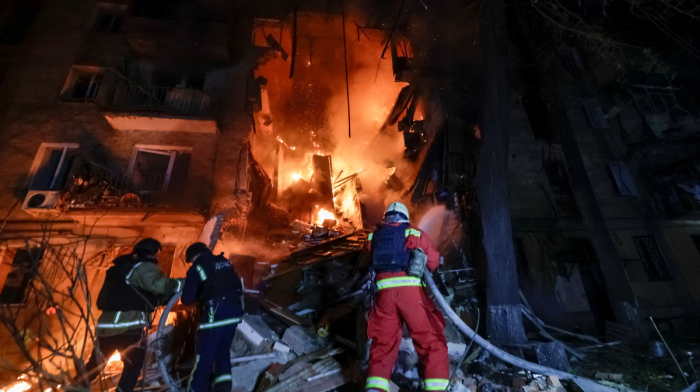
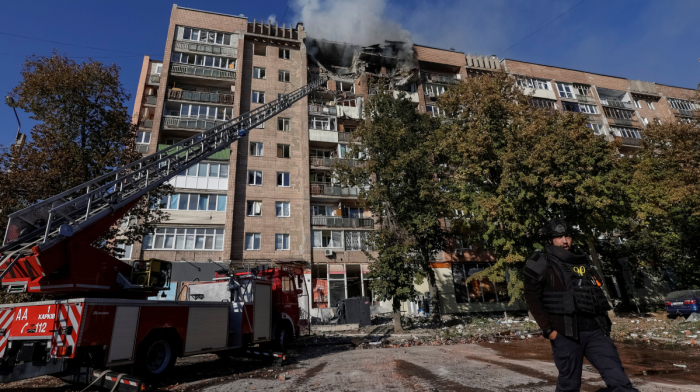
The European Union's foreign policy chief Kaia Kallas says the bloc will tighten enforcement of sanctions against Russia over its war in Ukraine. EU foreign ministers were meeting in Ireland following renewed Russian strikes on cities across Ukraine.
Start your day informed with the AnewZ Morning Brief. Here are the top stories for the 3rd of September, covering the latest developments.
Black Sea Petroleum (BSP), the company behind Georgia's Kulevi plant on the Black Sea coast, has announced that as of 23 August, the refinery is processing exclusively non-Russian oil.
Two people have been rescued alive from a tunnel in Nepal, nine days after catastrophic floods devastated the country, as rescuers continue searching for survivors.
Georgia's economy grew by eight per cent in July, and if you're wondering what's behind the surge, the answer is the same one that's been doing the heavy lifting all year: oil.
Russia’s Rosatom and Kazakhstan Nuclear Power Plants have signed a contract to build two units at the Balkhash nuclear power plant, with a combined capacity of 2.4 gigawatts.
The Higher Presidential Committee for Church Affairs in Palestine has called on churches around the world to intervene after teachers and school staff from the West Bank were prevented from reaching Christian schools in Jerusalem.
You can download the AnewZ application from Play Store and the App Store.
What is your opinion on this topic?
Leave the first comment