Kazakhstan eyes new Caspian energy routes, minister tells AnewZ
Kazakhstan is open to expanding its oil export routes through Azerbaijan and advancing joint energy infrastructure projects across the Caspian region,...
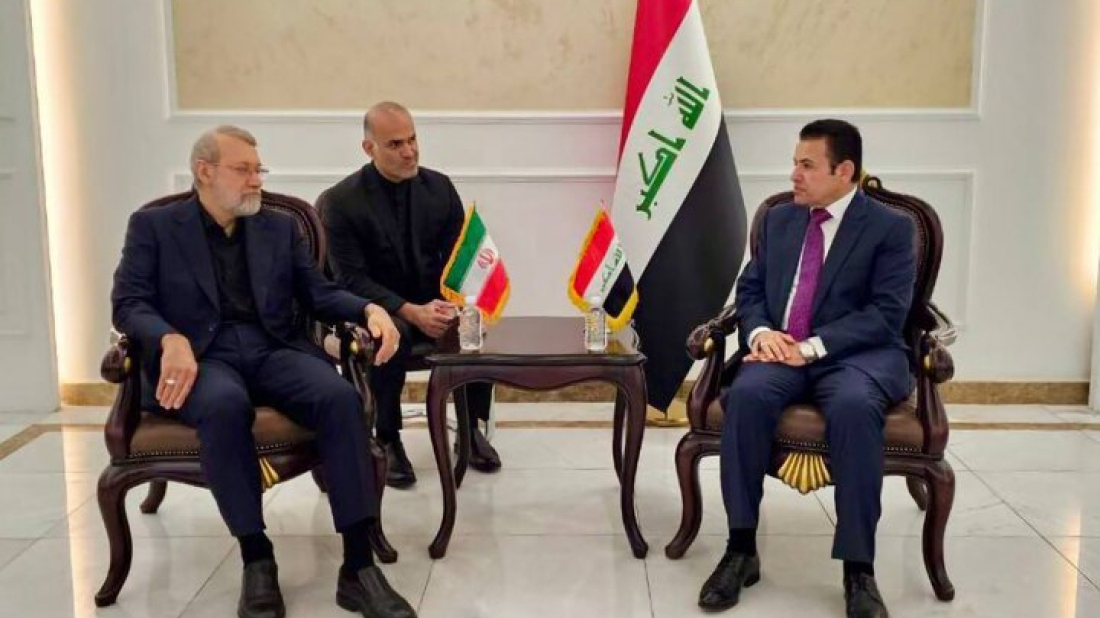
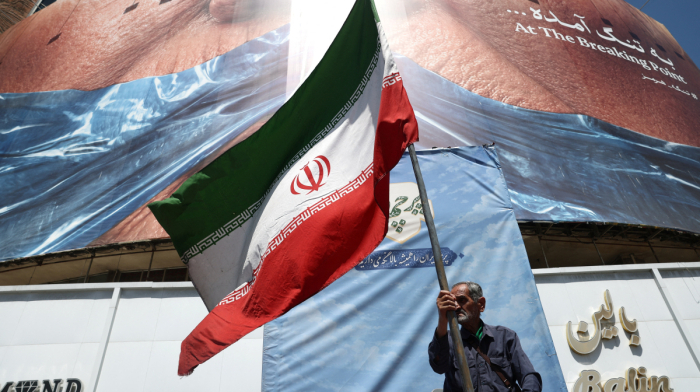
A newly appointed Secretary of Iran’s Supreme National Security Council, Ali Larijani has arrived in Baghdad on Monday for his first official visit since taking office on 5th August.
Ali Larijani is travelling to Iraq and Lebanon this week in his first foreign trip since taking the post, with a bilateral security deal with Baghdad and high-level talks in Beirut on the agenda.
He was officially welcomed at Baghdad International Airport by Iraq’s National Security Advisor, Qasim al-Araji.
Following the reception, Larijani paid tribute to the memory of the martyrs—Lieutenant General Qassem Soleimani, former commander of Iran’s IRGC Quds Force, and Abu Mahdi al-Muhandis, former chief of staff of Iraq’s Popular Mobilization Forces—honoring their contributions and legacy.

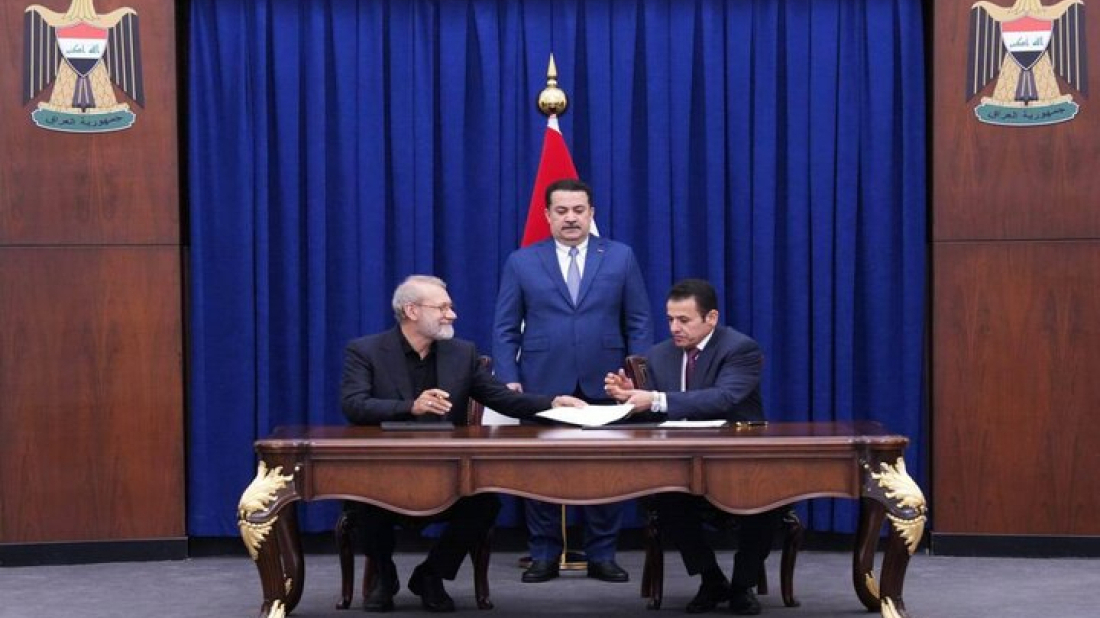
Today, the security agreement has been signed between the Secretary of Iran’s Supreme National Security Council, Ali Larijani and the Iraqi National Security Advisor Qasim al-Araji in Baghdad.
“Iran’s approach with neighbors is to consider both the security of Iranians and the security of neighbors,” he told state broadcaster IRIB before departing for Baghdad.
Larijani’s three-day trip will also take him to Lebanon, where he said he would focus on national unity, independence, trade relations, security developments, and broader regional dynamics.
“National unity in Lebanon must be preserved in all conditions. Lebanon’s independence is important to us and we will help to maintain it,” he said.
He described Lebanon as a significant and influential country in West Asia, highlighting its deep civilizational ties with Iran and ongoing cooperation on regional issues.
Larijani added that, situation in Middle East would be on the agenda and the upcoming consultations could contribute to promoting regional stability.
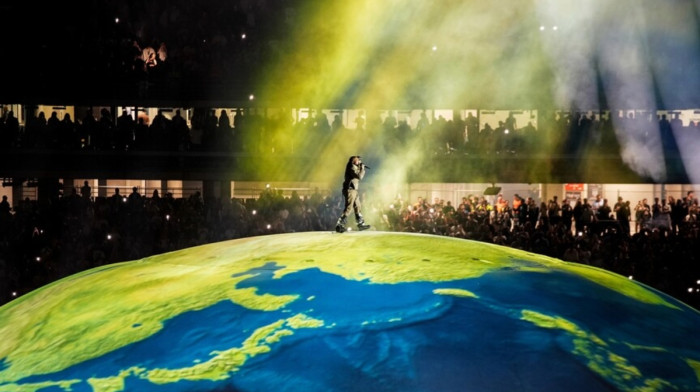
U.S. rapper Kanye West, now known as Ye, performed to a crowd of 118,000 people in Istanbul on Saturday night, marking his first concert in Europe in more than a decade, despite being barred from performing in several countries over past antisemitic remarks.
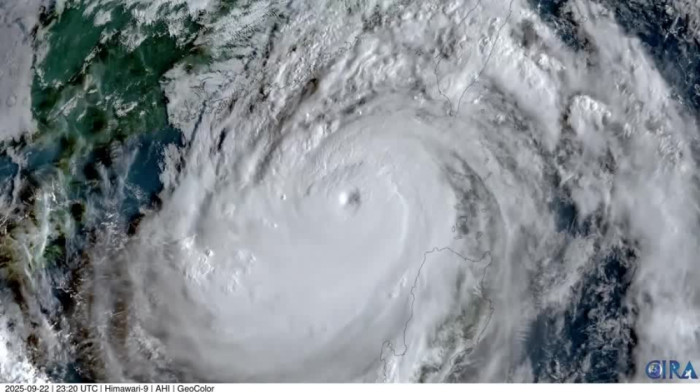
Okinawa lost transport links and suffered widespread power outages on Monday (1 June) as Severe Tropical Storm Jangmi brought destructive winds and heavy rain to Japan's south-western islands.
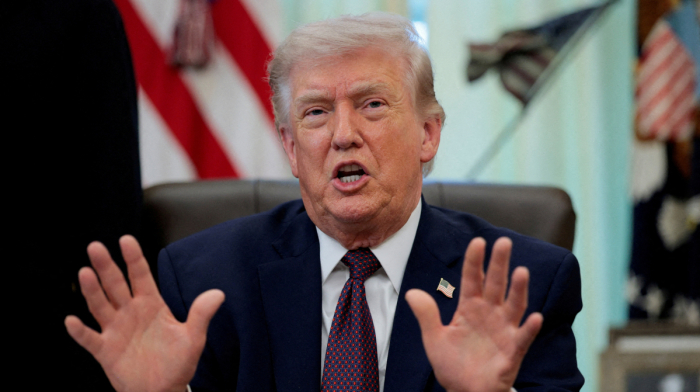
Donald Trump said he is “in no hurry” to reach a deal with Iran, insisting the U.S. is slowly getting what it wants. He warned military action remains an option if talks fail. Meanwhile, U.S. forces said they fired a missile at a vessel trying to breach Washington’s blockade of Iran.
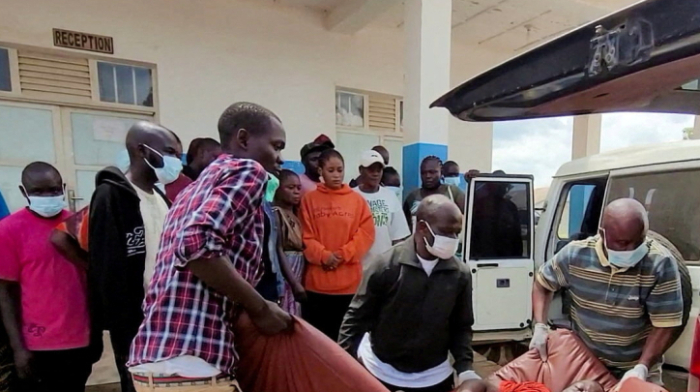
The World Health Organisation’s designation of the Bundibugyo Ebola virus outbreak as a Public Health Emergency of International Concern (PHEIC) is a stark reminder that Ebola remains a persistent global health threat rather than a disease of the past.
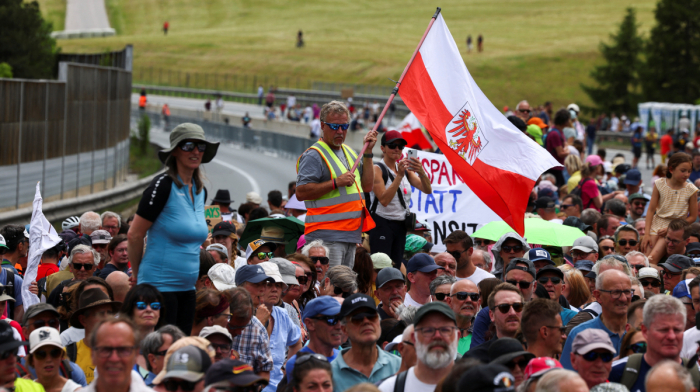
Thousands of residents blocked Austria’s Brenner motorway on Saturday (30 May), shutting down a major north-south transport route through the Alps in protest against persistent congestion from heavy truck traffic and tourism.
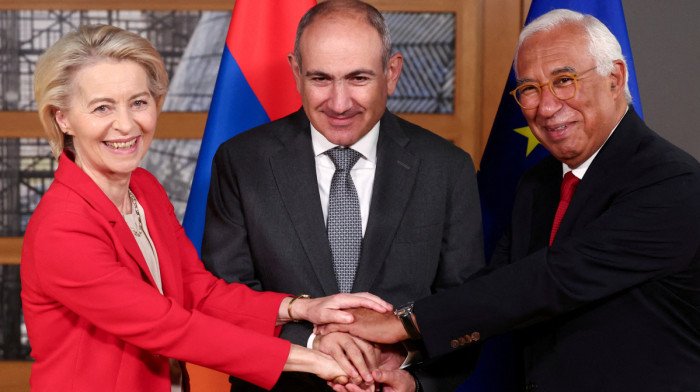
When Armenians vote on 7 June, they will be voting in an election shaped by months of political change and a rapidly deepening relationship with the European Union. The result may not only determine who governs Armenia but also the future direction of the country's geopolitical alignment.
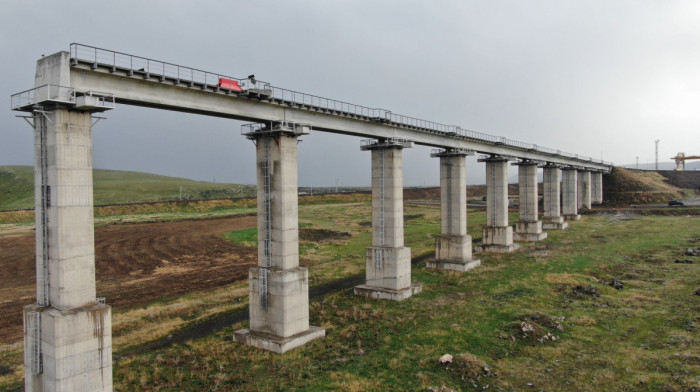
The Baku-Tbilisi-Kars (BTK) railway will resume operations on 2 June after extensive modernisation works. Officials from Azerbaijan, Georgia and Türkiye are set to gather in Akhalkalaki for a launch event marking the reopening of one of the Middle Corridor's most important transport links.
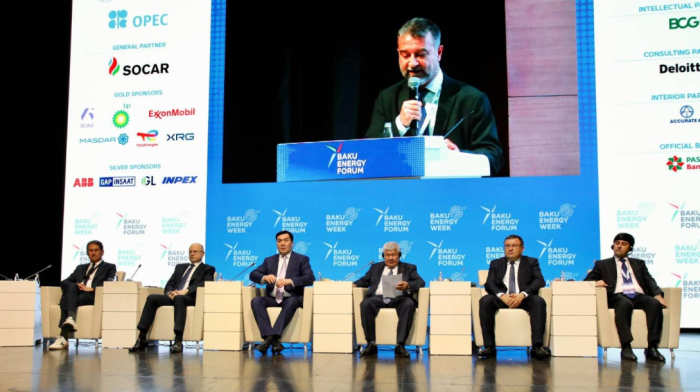
Kazakhstan is open to expanding its oil export routes through Azerbaijan and advancing joint energy infrastructure projects across the Caspian region, Energy Minister Yerlan Akkenzhenov told AnewZ in an exclusive interview in Baku.
Russia's Foreign Ministry spokeswoman Maria Zakharova praised Georgia for resisting Western pressure (30 May), defending its national interests and pursuing a "multi-vector foreign policy" - language that closely mirrors the rhetoric of the ruling Georgian Dream party.
As Armenia approaches parliamentary elections, Russia appears to be increasing political and economic pressure on Yerevan, signalling that closer integration with the EU could lead to significant changes in labour, transport and energy arrangements between the two countries.
You can download the AnewZ application from Play Store and the App Store.
What is your opinion on this topic?
Leave the first comment