Russia praises Georgia's foreign policy as rhetoric increasingly aligns
Russia's Foreign Ministry spokeswoman Maria Zakharova praised Georgia for resisting Western pressure (30 May), defending its national interests and pu...
Iran’s First Vice President Mohammad-Reza Aref who is visiting Turkmenistan to take part at a UN-sponsored meeting said Tehran supports development of transit routes as well as peaceful settlement of differences among its neighboring and regional countries to promote economic and trade exchanges.
“The serious priority of the Islamic Republic of Iran is the development of corridors that connect Asia, Europe and Africa. This important issue will be emphasized in this visit,” Aref said prior to his departure to Turkmenistan to participate at the Third UN Conference on Landlocked Developing Countries (LLDC).
Aref also said he will exchange views in Turkmenistan especially on the transit sector considering Iran’s exceptional geographical position as a potential hub connecting the three continents, according to the website of the Iranian First Vice President’s Office.
The Third UN Conference on Landlocked Developing Countries is held on August 5-8 in the city of Awaza, Turkmenistan. Its objective is to offer a chance to the landlocked developing countries as they face hurdles in trade, connectivity, and development because they lack direct sea access or coastal ports. They have to rely on transit nations, causing higher trade costs and delays.
The Iranian First Vice President also said Tehran supports establishment of peace and security among the neighboring and regional countries as prerequisites of development.
On the sidelines of the Awaza Conference, Aref met with the Armenian President Vahagn Khachaturyan during which he stressed expansion of Tehran-Yerevan trade relations.
He supported the on-going peace talks between the Republic of Azerbaijan and the Republic of Armenia which are Iran’s neighboring countries in the South Caucasus without the interference of foreign countries.
Aref also had a meeting with Chairman of Presidential Council of Libya Mohammad Al-Menfi where the Iranian official supported the inter-Libyan talks and welcomed the increase in bilateral trade exchanges following re-opening of the Embassies in Tehran and Tripoli.
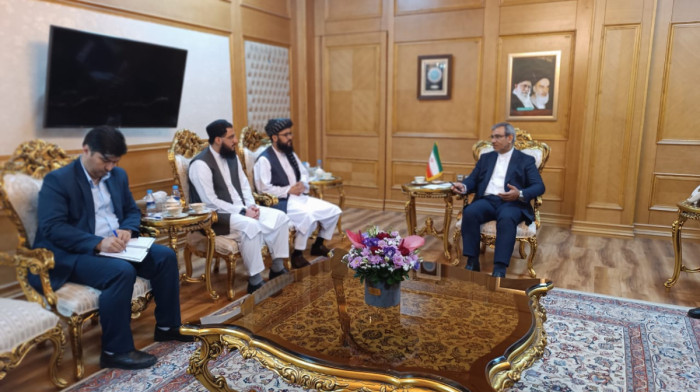
During his stay in Turkmenistan, the Iranian First Vice President is scheduled to meet UN Secretary General Antonio Guterres, officials of the host country Turkmenistan as well as a number of high-ranking participants of the conference.
Bilateral ties and theme of the Awaza LLDC Conference will be discussed at these meetings.
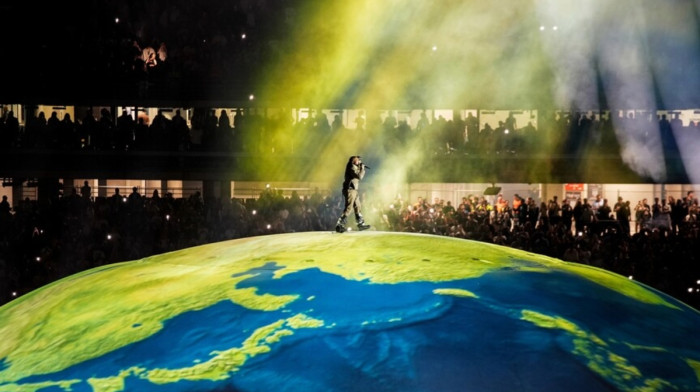
U.S. rapper Kanye West, now known as Ye, performed to a crowd of 118,000 people in Istanbul on Saturday night, marking his first concert in Europe in more than a decade, despite being barred from performing in several countries over past antisemitic remarks.
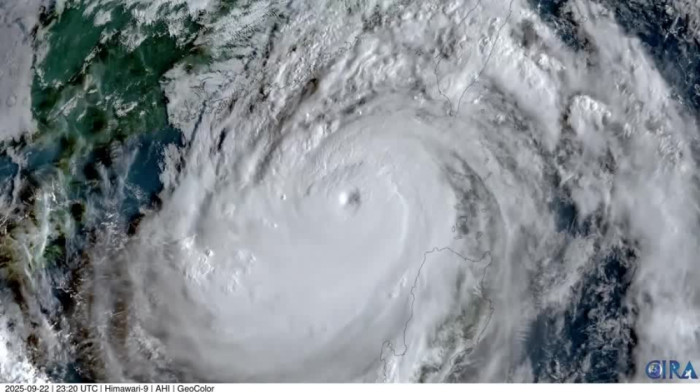
Okinawa lost transport links and suffered widespread power outages on Monday (1 June) as Severe Tropical Storm Jangmi brought destructive winds and heavy rain to Japan's south-western islands.
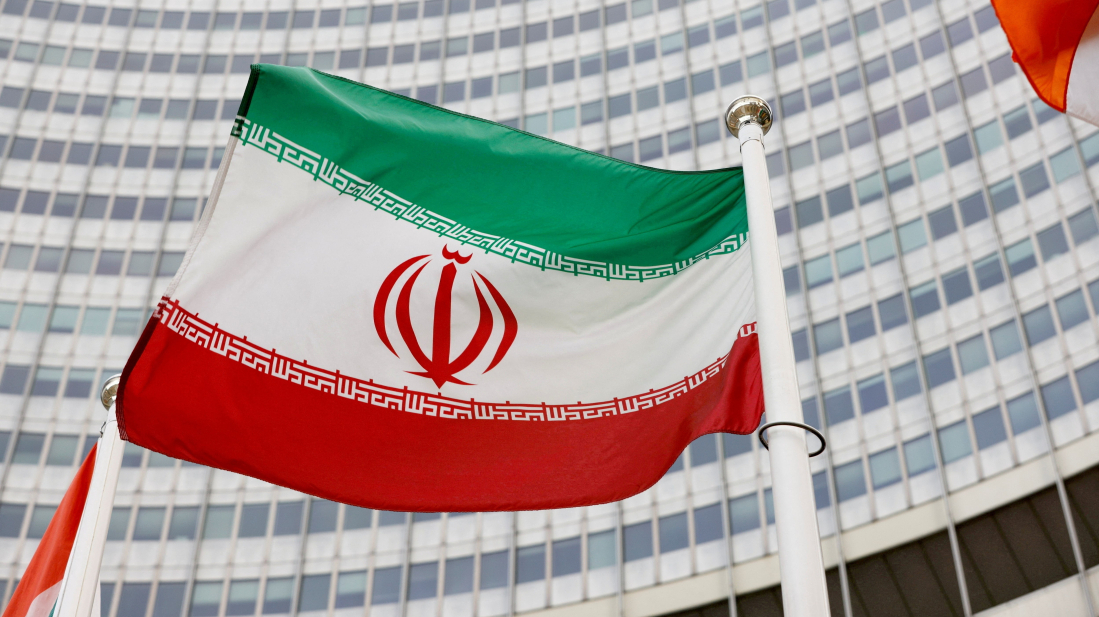
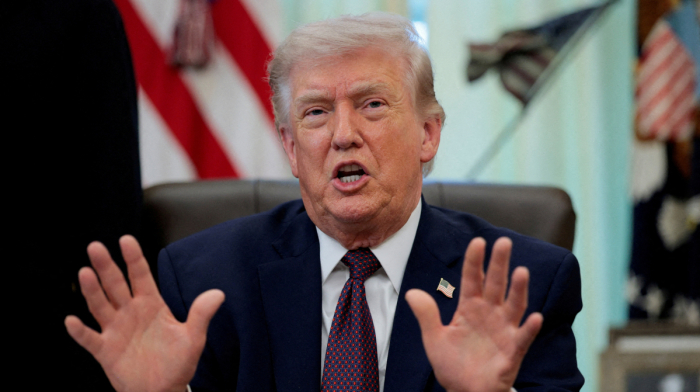
Donald Trump said he is “in no hurry” to reach a deal with Iran, insisting the U.S. is slowly getting what it wants. He warned military action remains an option if talks fail. Meanwhile, U.S. forces said they fired a missile at a vessel trying to breach Washington’s blockade of Iran.
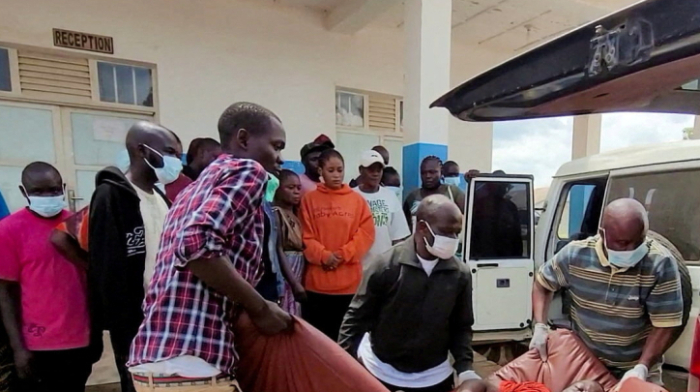
The World Health Organisation’s designation of the Bundibugyo Ebola virus outbreak as a Public Health Emergency of International Concern (PHEIC) is a stark reminder that Ebola remains a persistent global health threat rather than a disease of the past.
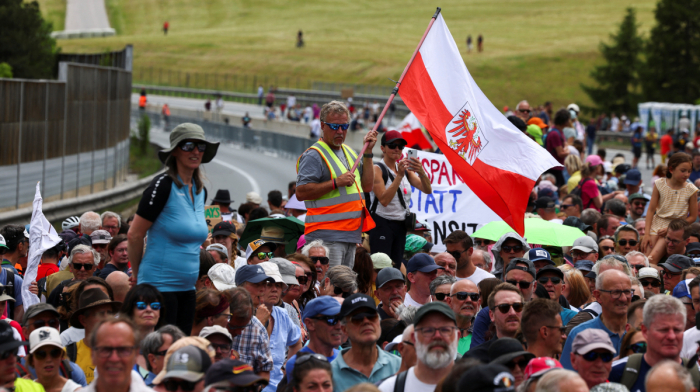
Thousands of residents blocked Austria’s Brenner motorway on Saturday (30 May), shutting down a major north-south transport route through the Alps in protest against persistent congestion from heavy truck traffic and tourism.
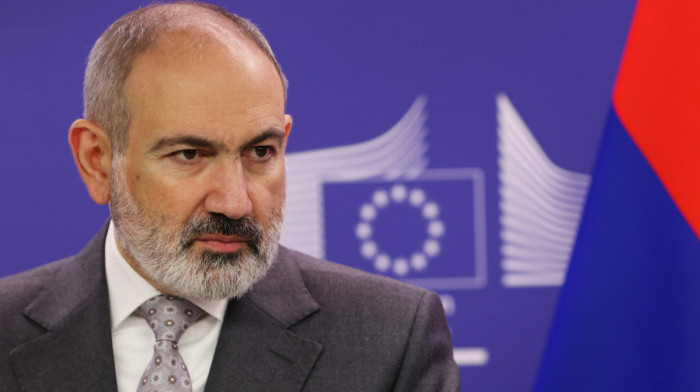
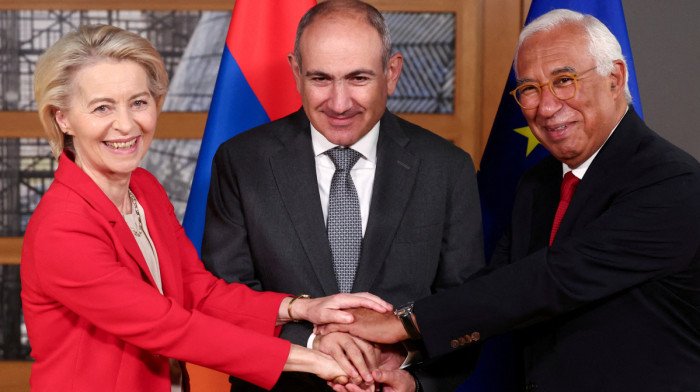
When Armenians vote on 7 June, they will be voting in an election shaped by months of political change and a rapidly deepening relationship with the European Union. The result may not only determine who governs Armenia but also the future direction of the country's geopolitical alignment.
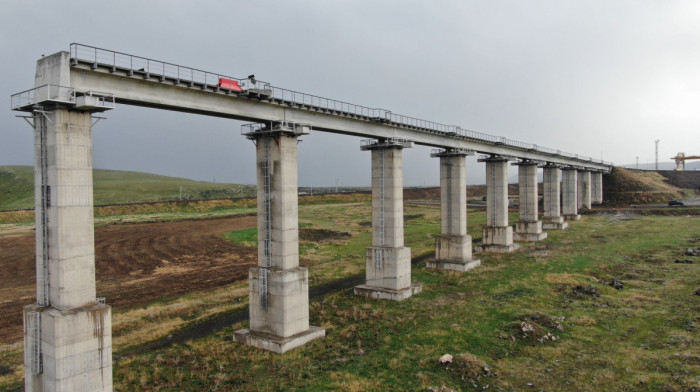
The Baku-Tbilisi-Kars (BTK) railway will resume operations on 2 June after extensive modernisation works. Officials from Azerbaijan, Georgia and Türkiye are set to gather in Akhalkalaki for a launch event marking the reopening of one of the Middle Corridor's most important transport links.
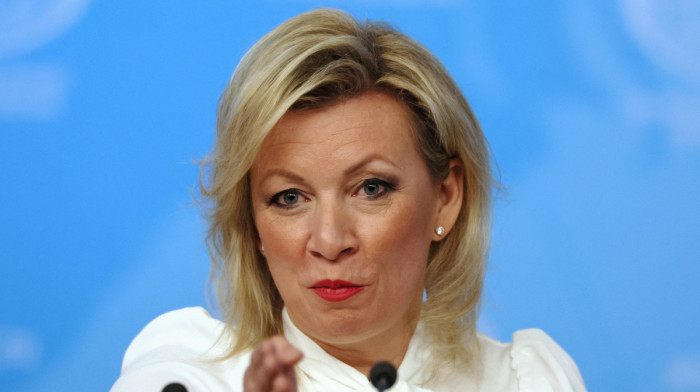
Russia's Foreign Ministry spokeswoman Maria Zakharova praised Georgia for resisting Western pressure (30 May), defending its national interests and pursuing a "multi-vector foreign policy" - language that closely mirrors the rhetoric of the ruling Georgian Dream party.
As Armenia approaches parliamentary elections, Russia appears to be increasing political and economic pressure on Yerevan, signalling that closer integration with the EU could lead to significant changes in labour, transport and energy arrangements between the two countries.
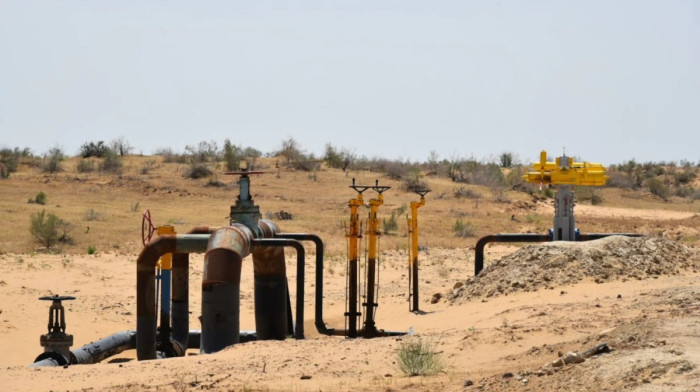
Uzbekistan recorded further declines in the production of key energy resources during the first four months of 2026, even as output of fuel products, electricity and construction materials increased, according to the latest data from the National Statistics Committee.
You can download the AnewZ application from Play Store and the App Store.
What is your opinion on this topic?
Leave the first comment