Central Asia could gain up to $640 million a year from closer energy cooperation, but strained electricity grids threaten to limit those gains, with Kazakhstan particularly exposed to regional power shortages and growing pressure on its network.
Power shortages expose regional weaknesses
Electricity trade between Central Asian countries recovered in 2024, but the region still struggles to meet peak demand. In December 2024, around 18 per cent of its installed power-generating capacity was unavailable due to fuel and water shortages, maintenance work and grid restrictions, according to a report by the Eurasian Development Bank (EDB).
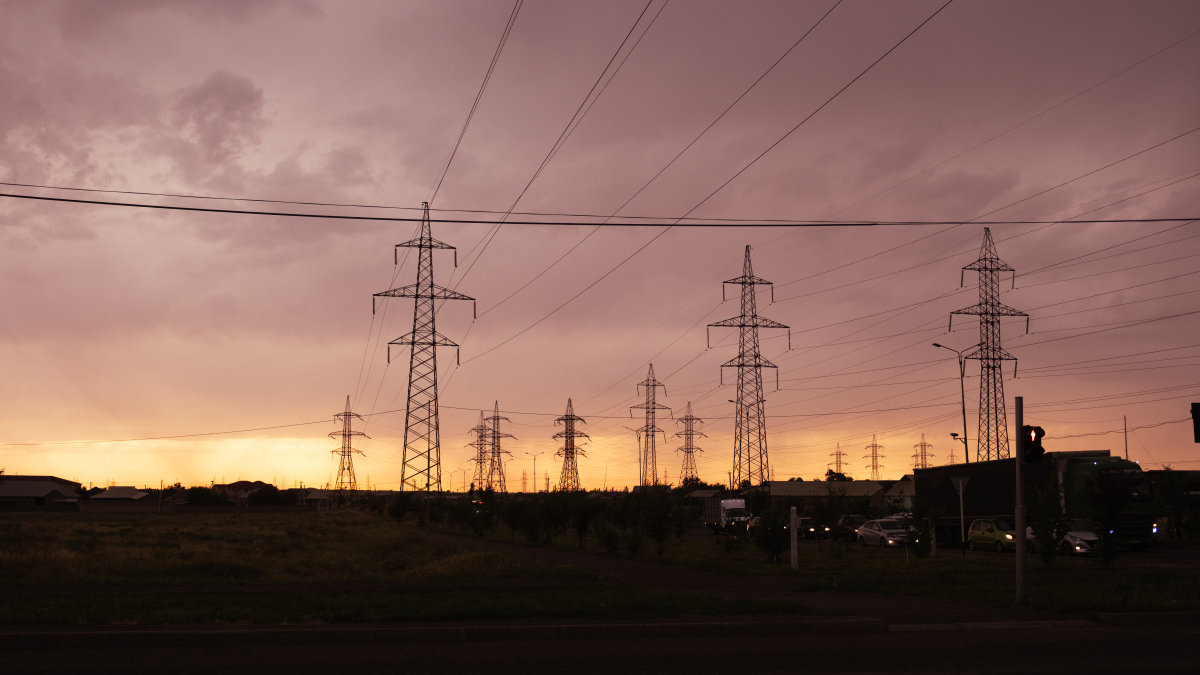
The figures highlight a wider problem: Central Asia has the capacity to generate electricity, but its power systems cannot always deliver it when demand is highest.
Kazakhstan's electricity grid under pressure
The risks are especially acute for Kazakhstan, where southern regions depend on electricity supplied from the north. Power lines connecting the two parts of the country are already stretched, with transmission flows exceeding permitted limits during periods of high demand.
Because Kazakhstan's electricity system is interconnected with those of neighbouring countries, disruptions elsewhere in Central Asia can put further strain on its grid. In extreme cases, the pressure could trigger emergency disconnections between national power systems.
Renewable energy growth adds to the challenge
The rapid expansion of renewable energy is adding another layer of pressure. Central Asian countries are investing in solar and wind power, but grid development is struggling to keep pace.
In Uzbekistan, renewable energy capacity could exceed 11 gigawatts by 2028, yet grid constraints and insufficient flexible backup generation could leave around 13.6 per cent of potential output unused.
Kazakhstan faces similar risks as it expands renewable energy projects, particularly in the south, where transmission capacity is already under pressure.
Building new power plants alone will not solve the problem. The region also needs infrastructure capable of handling the additional electricity.
Without grid upgrades, energy storage and more effective supply management, some renewable energy projects may be forced to cut output, potentially undermining their financial viability.
Closer cooperation could unlock $640 million a year
The EDB estimates that closer energy cooperation could generate up to $640 million in economic benefits annually across Central Asia.
By trading electricity, sharing reserve capacity and supporting one another during shortages or emergencies, countries could make more efficient use of existing power plants.
Stronger regional coordination could also help prevent renewable electricity from going to waste, particularly when supply and demand vary between countries.
Investment and coordination key to energy security
Realising those benefits will require more than cross-border agreements. Countries will need to invest in transmission networks, establish common electricity trading rules and agree on how to share the costs of maintaining reliable supplies.
For Kazakhstan, strengthening transmission links between its northern and southern regions remains a key priority as the country seeks to ease pressure on its grid and benefit from closer regional energy cooperation.
Read more:













What is your opinion on this topic?
Leave the first comment