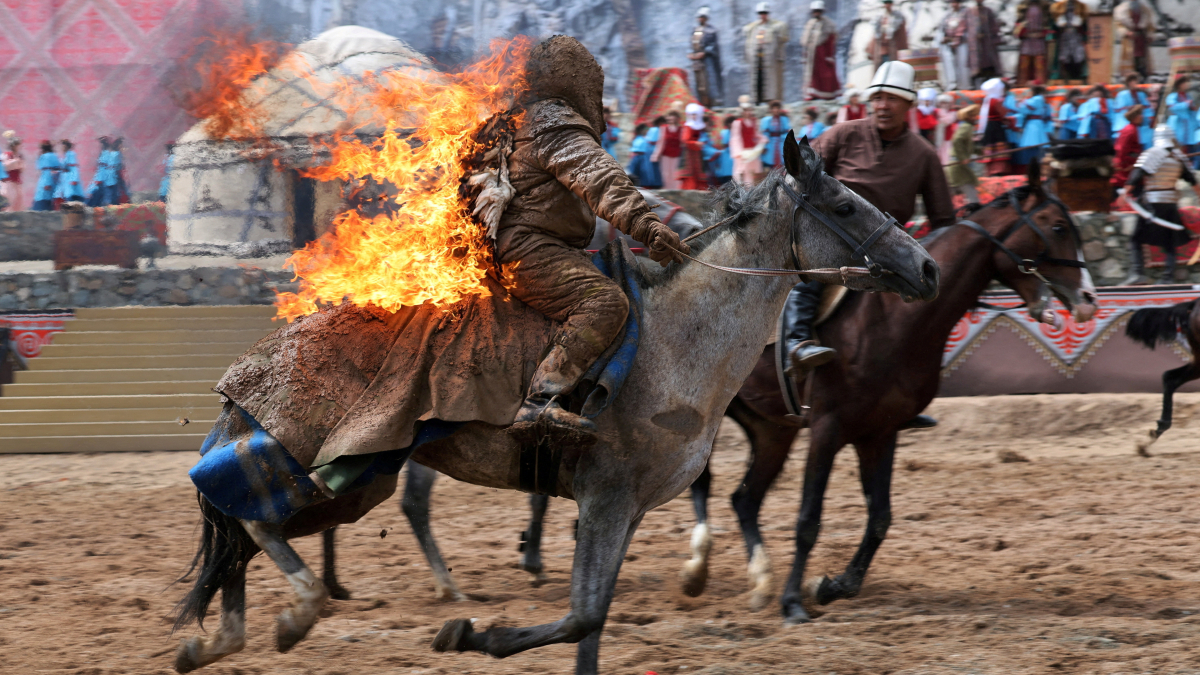
The World Nomad Games, which began in 2014, are a biennial tournament of traditional nomad sports, mostly originating from Central Asia. It's an alternative test of strength, both mental and physical, and are a wild, spectacular sight to behold.
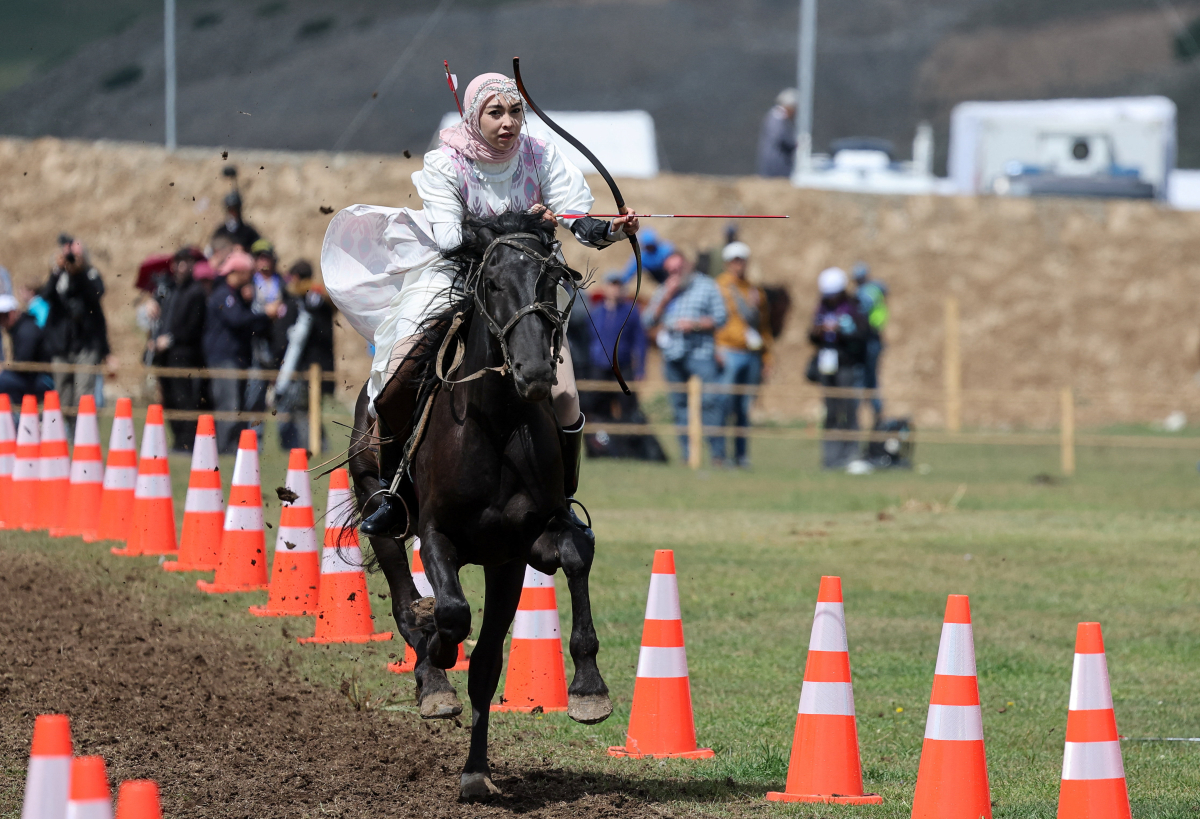
This year they returned home to Kyrgyzstan, the mountainous Central Asian country of seven million where they were first held, and where traditional sports retain a strong popular following. Some of the competitions include horse archery, tug of war, wrestling, falconry and traditional board games.
The competition lasted from 31 August to 6 September, with over 3,000 athletes from more than 100 countries participating, organisers said.
Key results included Pakistan winning four bronze medals, Kazakhstan reporting 74 total medals, and Kyrgyzstan topping the organisers’ medal table with 30 golds.
A landmark opening ceremony
An opening ceremony in the Kyrgyz capital, Bishkek, was attended by leaders including Russian President Vladimir Putin, Turkish President Tayyip Erdogan, and India's Narendra Modi, in town for a summit of the Shanghai Cooperation Organisation. It is highly unusual for world leaders to gather at such an event that highlights sport rather than geopolitics and finance.
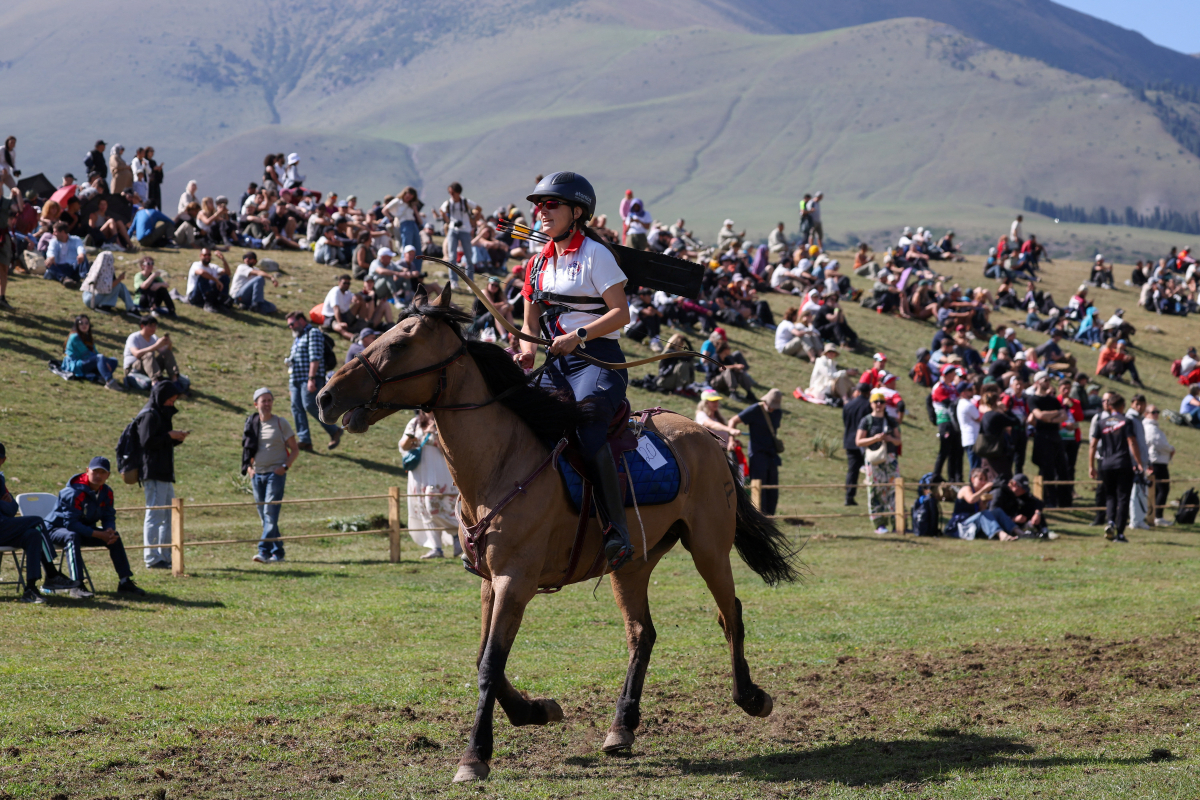
Among the Western athletes to participate this year was London-based executive coach Becca Sweetman.
“About eight years ago, a friend asked if I wanted to have a go at horseback archery and I just got hooked on this amazing sport,” she said.
“So, I've been competing for the last eight years for the Great Britain team.”
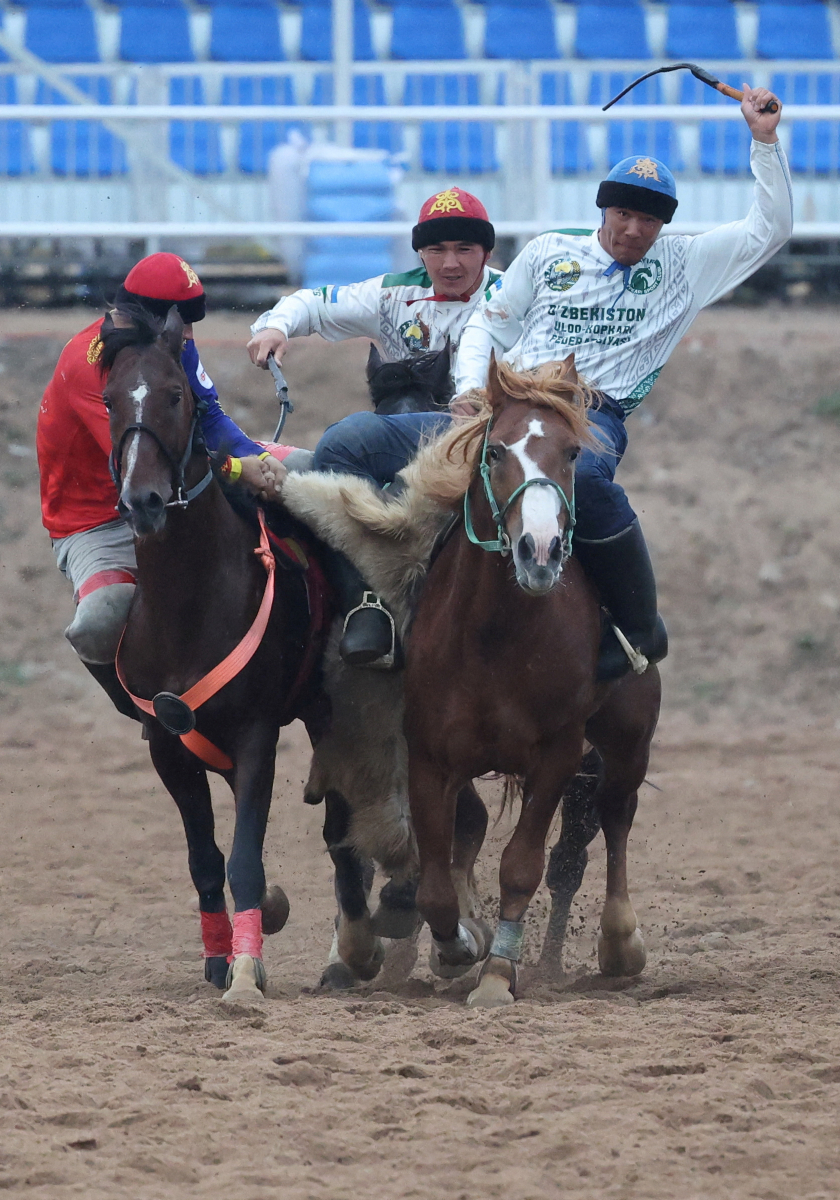
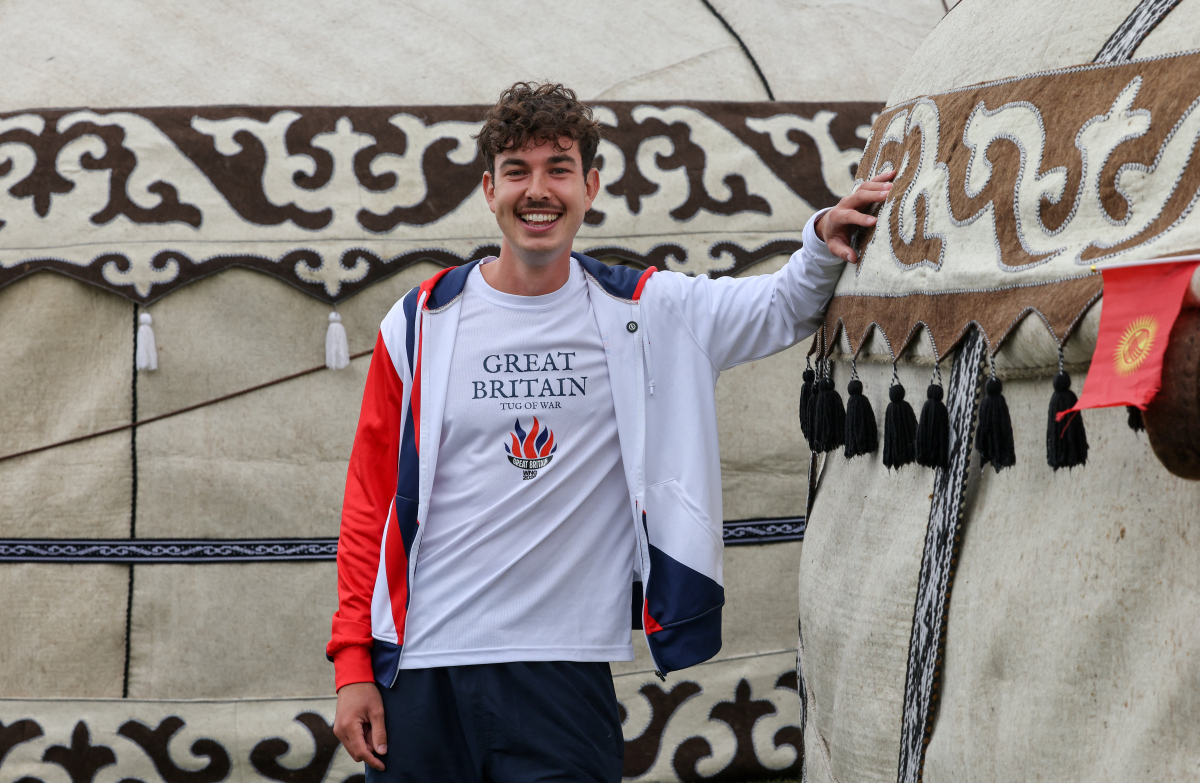
Sam Pollard, a London-based consultant, came to Kyrgyzstan as part of the British tug of war team. He said he'd become interested in the Nomad Games after seeing videos of Kok Boru, a nomadic sport similar to polo, but which is played with a sheep carcass in place of a ball.
“That looks awesome,” he told himself. The timing of the games aligned perfectly with when he wanted to visit Central Asia, plus he and his friends “had a bit of background in tug of war,” he said.
Although many athletes have come from countries without a history of nomadism, others come from countries like Mongolia and the Central Asian republics, where nomadic sports retain a major following.
“These games have the nomadic spirit,” said Mumina Daminova, a horseback archer from Uzbekistan, who competed in flowing white traditional robes.
“It's like Olympic games but for ethnosport,” she said.
Read more:













What is your opinion on this topic?
Leave the first comment