Pakistan declares hepatitis C emergency, launches nationwide screening campaign
Pakistan has declared hepatitis C a national emergency and launched a nationwide campaign to screen more than 164 million people, as it steps up effor...
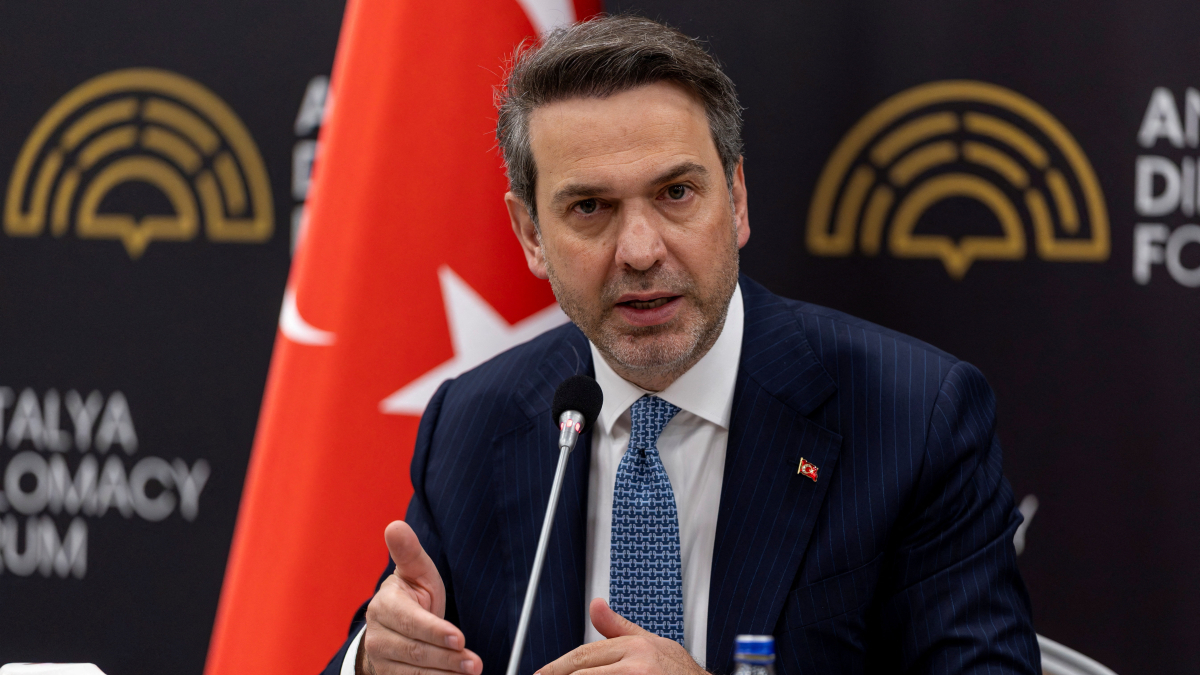
Turkish Energy Minister Alparslan Bayraktar has warned that global energy supply disruptions caused by the ongoing Middle East conflict are likely to persist.
In televised remarks on Monday, Bayraktar said Türkiye had not yet experienced supply disruptions despite the conflict between Iran, Israel and the U.S., now in its third month.
However, he cautioned that the prolonged closure of the Strait of Hormuz and the United Arab Emirates’ recent withdrawal from OPEC would likely increase uncertainty.
“And uncertainties bring risks,” the energy minister said.
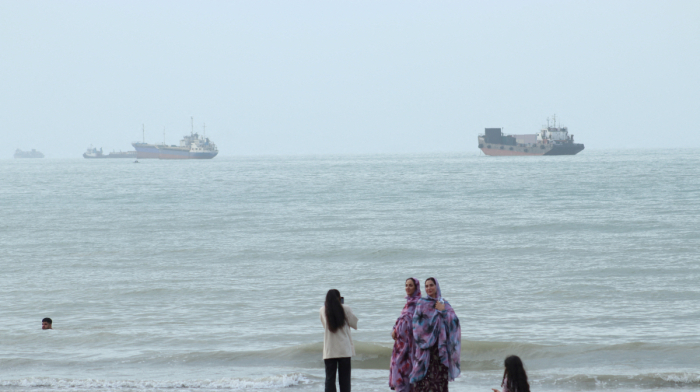
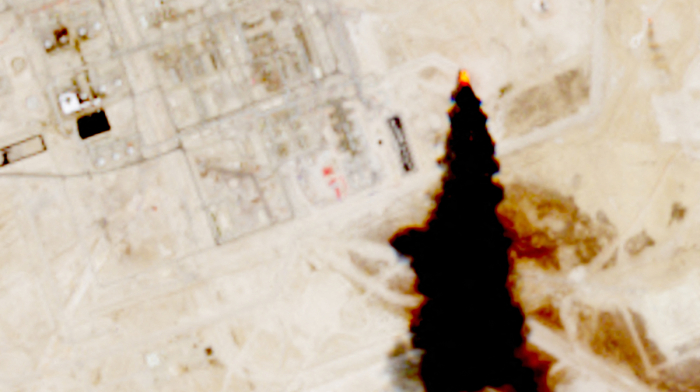
Roughly 20% of the world’s oil - along with a significant share of liquefied natural gas - passes through the Strait of Hormuz, where Iran has begun charging transit fees on oil tankers crossing the waterway.
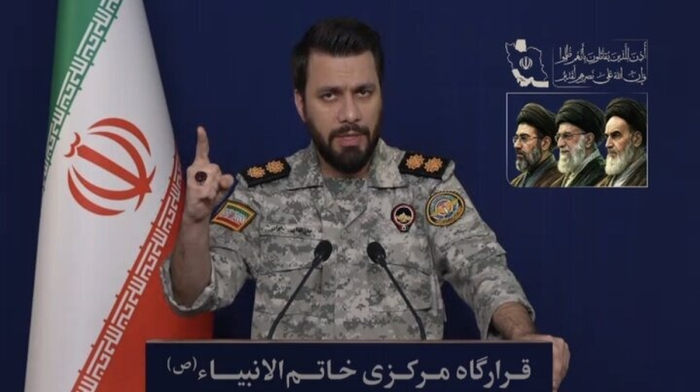
The U.S. has rejected the toll-charging scheme and has threatened to resume attacks on Iran if vessels stranded in the Persian Gulf are not allowed to transit the strait freely.
Bayraktar said the crisis was global in nature, adding that even if the conflict ended tomorrow, a “trust deficit” between the warring parties - alongside damage to energy infrastructure - would take years to repair.
The world is now living in an “era of crises,” Bayraktar said, citing unprecedented supply chain disruptions, sharp rises in commodity prices and mounting regional instability - the latter of which he attributed to increasingly aggressive actions by Israel.
He also pointed to Washington’s policy of maintaining what he described as “energy dominance,” noting recent developments involving Venezuela and other major oil exporters.
U.S. actions, Bayraktar said, do not appear to be driven by domestic political factors, but rather by a strategy to maintain control over energy markets - the effects of which are likely to become apparent in the coming period.

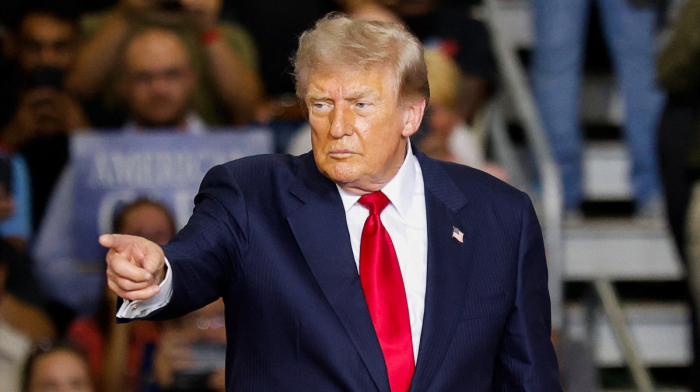
U.S. President Donald Trump said on Monday that there is a good chance” of reaching a deal with Iran, but warned that Washington would resume military operation if negotiations fail.
Yemen warned the Houthis were seeking to replicate Iran's Strait of Hormuz strategy in the Red Sea, as U.S. President Donald Trump said there was a "good chance" of a deal with Tehran but warned strikes could resume if talks failed.
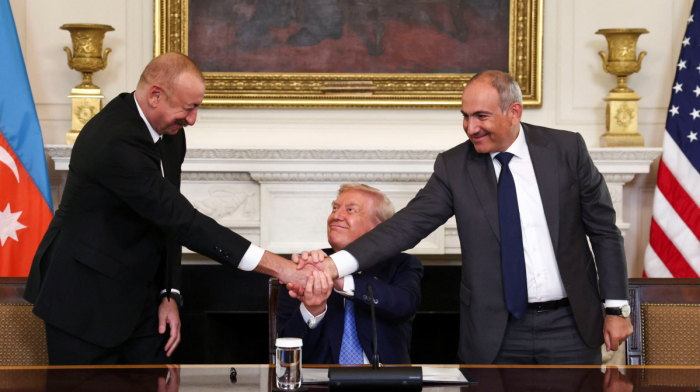
Moscow should stop linking Russia-Armenia relations to Azerbaijan, Baku's Foreign Ministry spokesperson Aykhan Hajizada has said, after Russia again raised the Collective Security Treaty Organisation's role during the former Garabagh conflict.
Saudi Arabia said its overnight strikes on Iran-backed group targets in Iraq were carried out in self-defence and warned it would take further military action if the groups launched new attacks against the kingdom.
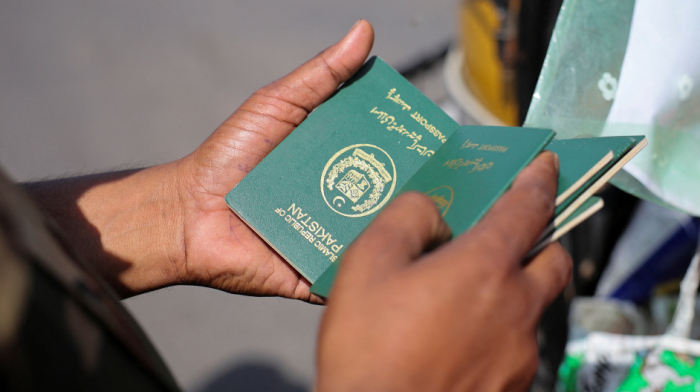
Pakistani businesses are warning that growing difficulties in obtaining United Arab Emirates (UAE) visas are disrupting trade, delaying investment and limiting access to a key export market, despite both Islamabad and Abu Dhabi saying there is no official visa ban.
Pakistan has declared hepatitis C a national emergency and launched a nationwide campaign to screen more than 164 million people, as it steps up efforts to eliminate one of the world's largest hepatitis C burdens by 2030.
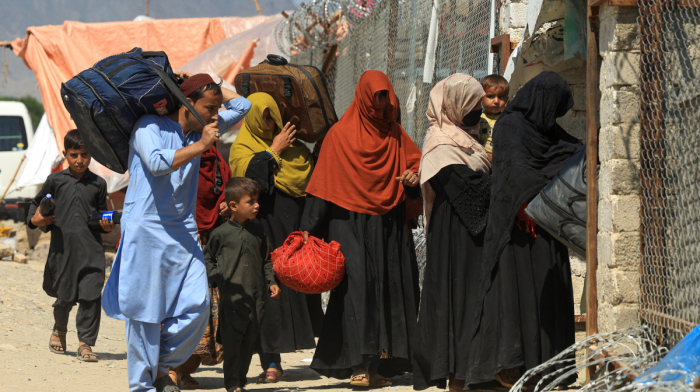
Afghan refugees in Pakistan are delaying or avoiding medical treatment because they fear arrest under the country's deportation policy, leading to preventable illnesses including child malnutrition and pregnancy complications, according to Médecins Sans Frontières (MSF).
Kyrgyzstan is in talks with Russia over monthly supplies of 100,000 tonnes of petroleum products as Ukrainian drone strikes on Russian oil refineries continue to disrupt fuel exports, forcing the Central Asian country to seek alternative sources.
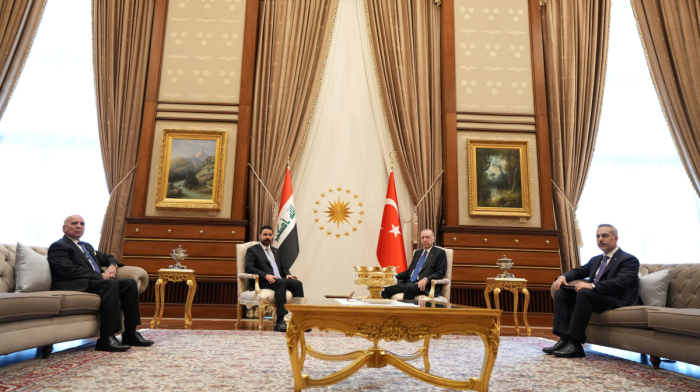
Türkiye and Iraq have signed five agreements aimed at expanding cooperation in transport, infrastructure, education, youth, sports and industrial development. The deals were announced after talks between Turkish President Recep Tayyip Erdoğan and Iraqi Prime Minister Ali al-Zaidi in Ankara.
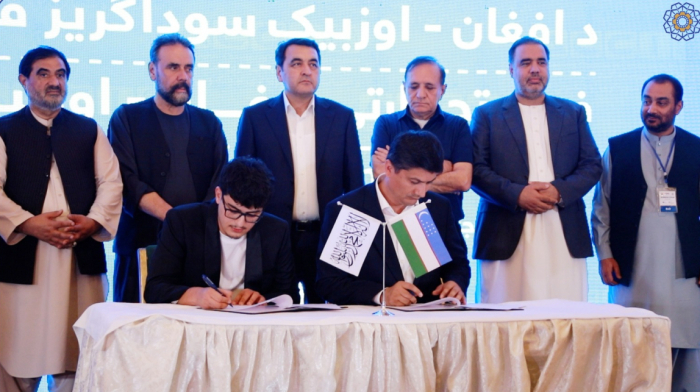
Afghanistan and Uzbekistan signed 22 trade agreements worth more than $200 million during a business forum in Kabul on Sunday, as officials from both countries pledged to deepen economic cooperation and expand trade and investment.
You can download the AnewZ application from Play Store and the App Store.
What is your opinion on this topic?
Leave the first comment