China is seeking to strengthen and upgrade its cooperation with Turkmenistan, focusing on what officials describe as “high-quality development” across a range of sectors.
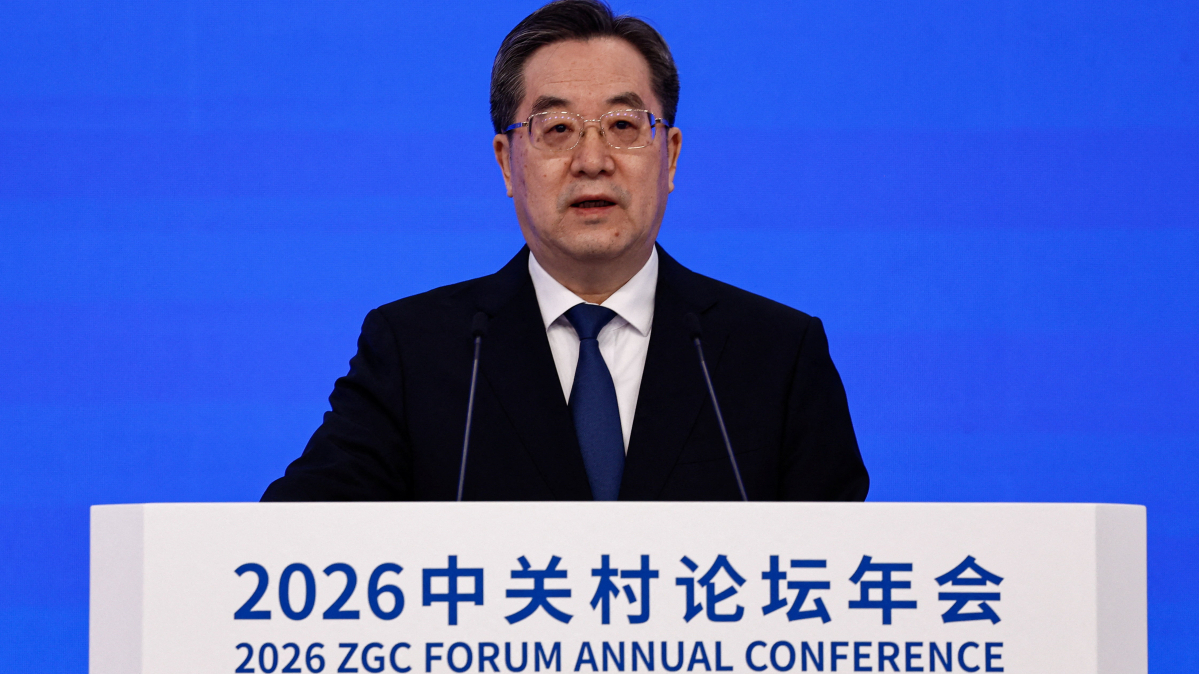
Speaking at a recent meeting, China’s Vice Premier said both countries should work together to deepen ties in areas including energy, trade, infrastructure and connectivity.
Focus on quality and sustainability
The aim is not only to expand cooperation, but also to improve its quality, making projects more efficient, sustainable and beneficial for both sides.
China and Turkmenistan already share a strong partnership, particularly in the energy sector. Turkmenistan is one of China’s key suppliers of natural gas, with pipelines linking Central Asia to China playing a major role in meeting the country’s energy needs.
Over the years, this cooperation has formed the backbone of their economic relationship.
Expanding into new sectors
Both sides are now looking to build on that foundation. Officials say future cooperation could include increased investment in infrastructure, improved trade links and new opportunities in areas such as green energy and technology.
There is also growing interest in strengthening transport routes to enhance regional connectivity.
Mutual benefit and long-term stability
The Vice Premier emphasised the importance of mutual benefit, often described as a “win-win” approach, where both countries gain from closer ties.
He also highlighted the need for stable and long-term cooperation, particularly at a time when global economic conditions remain uncertain.
Strategic importance for both countries
Experts say the move reflects China’s broader approach to engagement with Central Asian countries, focusing on practical cooperation, energy security and regional development.
Strengthening ties with countries such as Turkmenistan also helps China diversify its energy sources and maintain stable supply chains.
For Turkmenistan, closer cooperation with China provides continued access to one of the world’s largest markets, as well as investment and development opportunities. The partnership is seen as a key part of the country’s economic strategy.
As both sides move forward, the focus on high-quality development suggests a shift towards more balanced and sustainable growth, with an emphasis on long-term results rather than rapid expansion.

















What is your opinion on this topic?
Leave the first comment