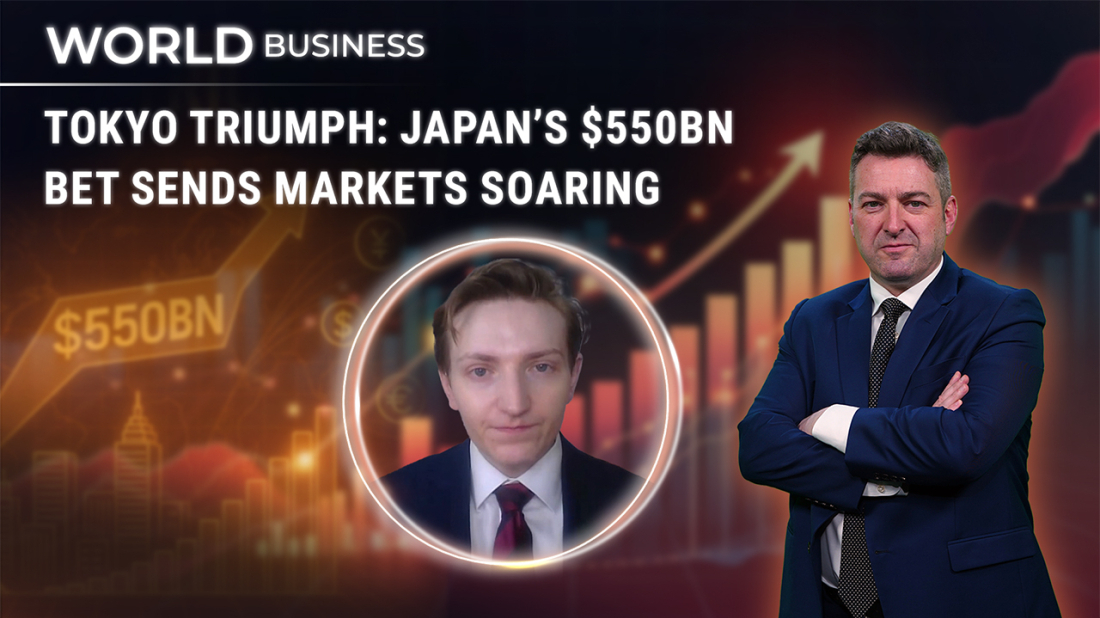
Japanese stocks rocketed to a one-year high after Tokyo struck a headline-grabbing trade deal with Washington, slashing auto tariffs to 15% and triggering a global market bounce. The Nikkei jumped 3.5%, with Mazda soaring nearly 18% and Toyota and Subaru not far behind. Investors cheered the breakthrough, which not only avoids a damaging tariff war but also unleashes $550BN in Japanese investment toward the US economy.
Donald Trump hailed the deal as a “massive win,” while European markets reacted with optimism, hoping for similar relief. The Euro Stoxx 600 climbed 1%, led by a 4% surge in auto shares and a 7% spike in Stellantis. Even South Korean automakers got a boost, with analysts anticipating parallel talks between Seoul and Washington.
As EU negotiators prepare to meet US officials, the clock ticks toward an August 1 deadline—now seen as a pivot point for global trade. With high-stakes diplomacy, market volatility, and investor bets all in play, this is more than a bilateral deal—it’s a tremor shaking the foundations of global trade.
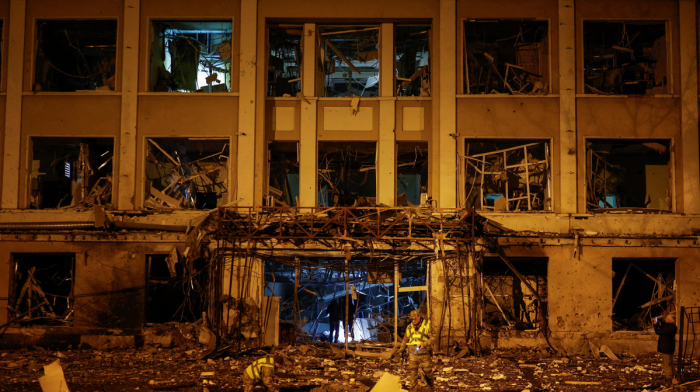
U.S. President Donald Trump has criticised Ukrainian President Volodymyr Zelenskyy for continuing to target Russia's energy infrastructure, while Russian strikes on Kyiv overnight killed at least one person and damaged a metro station.
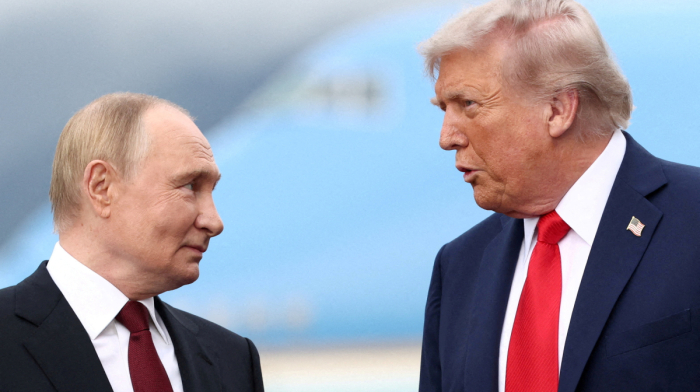
The day after waiving sanctions and tariffs related to Russian exports, U.S. President Donald Trump said on Saturday he has yet to announce a final decision on the matter as Secretary of State Marco Rubio said officials want more time to evaluate the situation.
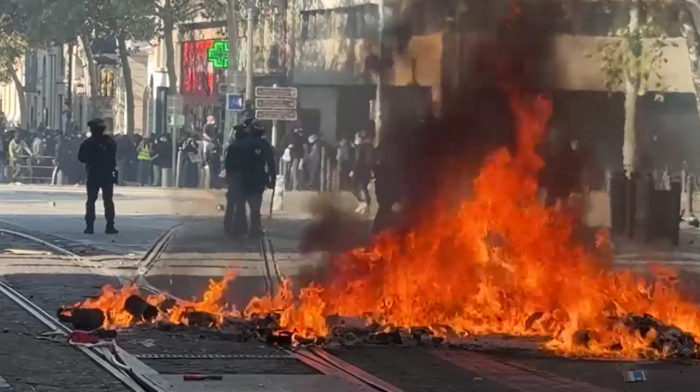
French President Emmanuel Macron has condemned the violence, looting and vandalism that erupted during cost-of-living protests across France. Prime Minister Sébastien Lecornu held crisis talks on Monday, calling for partial curfews and raising the possibility of a state of emergency.
An oil tanker caught fire after striking a naval mine in the southern part of the Strait of Hormuz, Iran’s Islamic Revolutionary Guard Corps (IRGC) Navy said late Sunday.
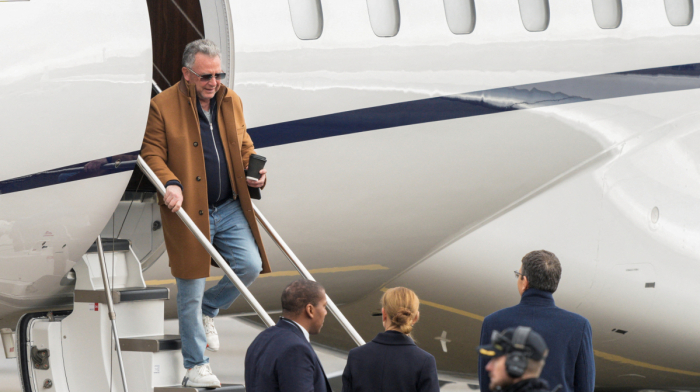
U.S. President Donald Trump's Special Envoy Steve Witkoff has arrived in Norway for talks with Ukrainian President Volodymyr Zelenskyy and European officials. Zelenskyy is also due to fly to Oslo on Tuesday, the Norwegian government said.
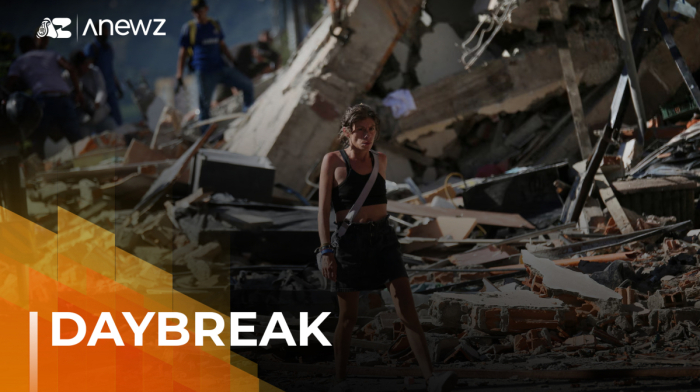
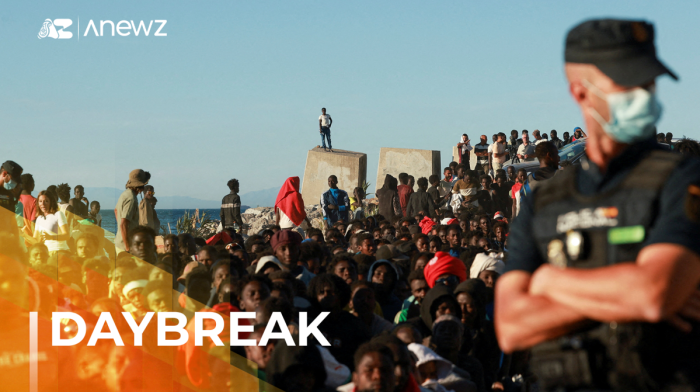
On 12 August, AnewZ’s Daybreak focused on the aftermath of Colombia’s devastating earthquake, tensions surrounding Iran and the Strait of Hormuz, growing Russia-North Korea military cooperation and security and environmental challenges across the Caspian and Black Sea regions.
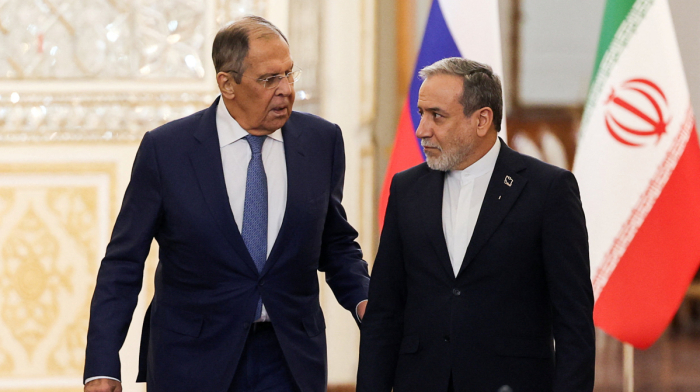
On 11 August, AnewZ’s Daybreak examined U.S. President Donald Trump’s new demands for Iran, Russia-Iran cooperation and regional connectivity through the South Caucasus alongside key political, security and climate developments worldwide.
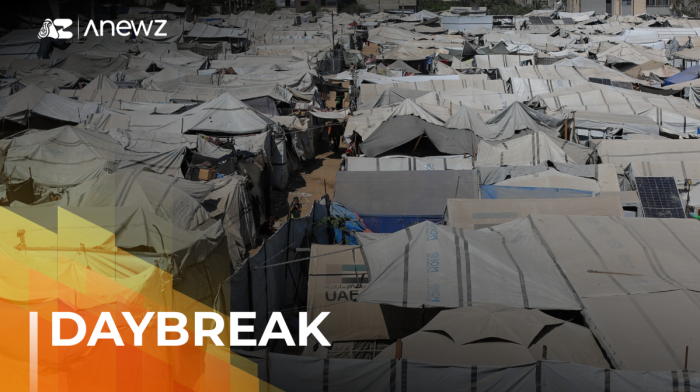
On 10 August, AnewZ’s Daybreak focused on developments in Gaza, Lebanon-Israel negotiations, Iran’s position on talks with Washington and the latest global security and climate-related challenges.
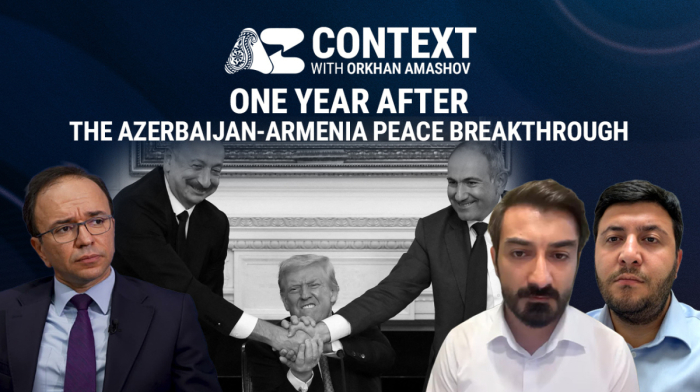
The 8 August commemorative edition of AnewZ's Context looked back on the year since the Washington breakthrough, examining how the initialling of the Azerbaijan-Armenia peace agreement and the launch of the Trump Route for International Peace and Prosperity have reshaped regional politics.
Download the AnewZ app
You can download the AnewZ application from Play Store and the App Store.












What is your opinion on this topic?
Leave the first comment