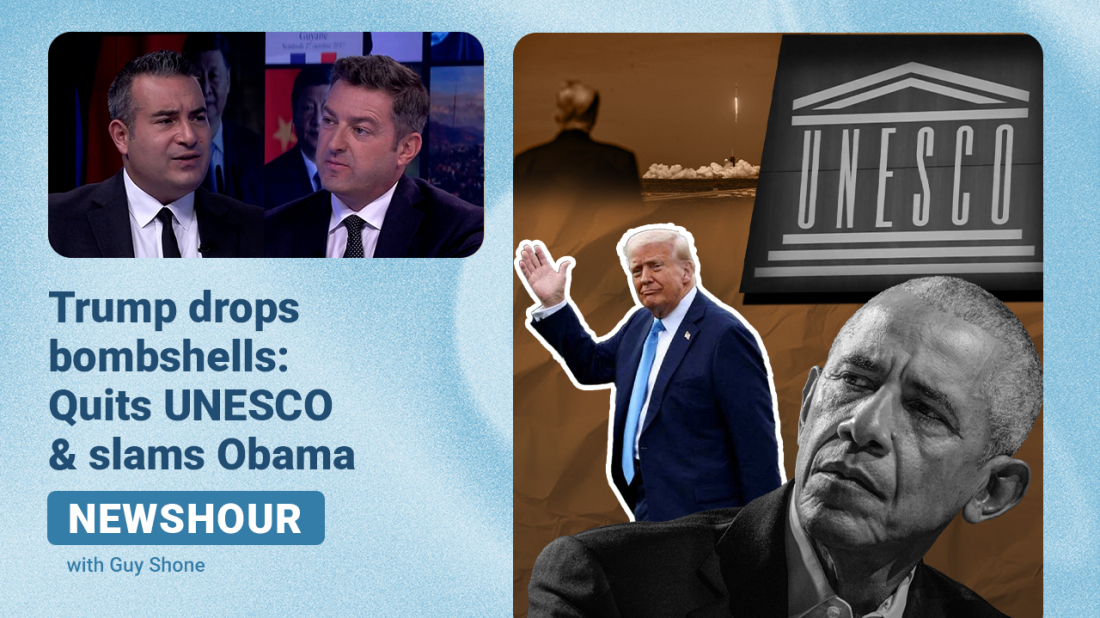
President Trump has announced the United States will once again withdraw from The United Nations Educational, Scientific and Cultural Organization (UNESCO), claiming the organisation no longer serves American interests. The move, echoing a similar decision during his first term, reignites concerns over Washington’s retreat from global cooperation. The State Department says the decision will take effect by the end of next year and cited “globalist ideology” and anti-Israel bias within UNESCO as key reasons.
In a separate development, Trump has accused a former president—Barack Obama—of treason, alleging a conspiracy to sabotage his 2016 campaign by fabricating ties to Russia. The claim comes without formal evidence and follows a statement from Trump’s intelligence chief, Tulsi Gabbard, referencing so-called declassified documents. However, official CIA and Senate findings contradict those assertions.
Critics argue the accusation may be a political smokescreen, especially as Trump faces pressure from his base to release files related to Jeffrey Epstein. The episode marks the most direct attack on Obama since Trump returned to office.
Our correspondent Nick Harper reports from Washington, and U.S. correspondent Oubai Shahbandar joins Guy Shone in studio for analysis.
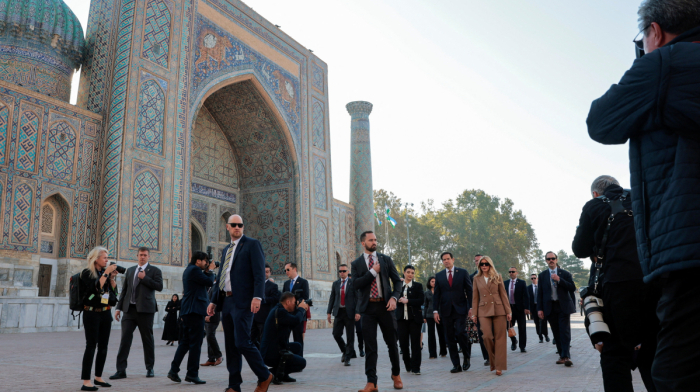
Uzbekistan summoned Iran’s ambassador following claims by several Iranian diplomatic missions that the historical and architectural heritage of Samarkand belongs to Persian or Iranian-Islamic civilisation, Tashkent's Foreign Ministry said.
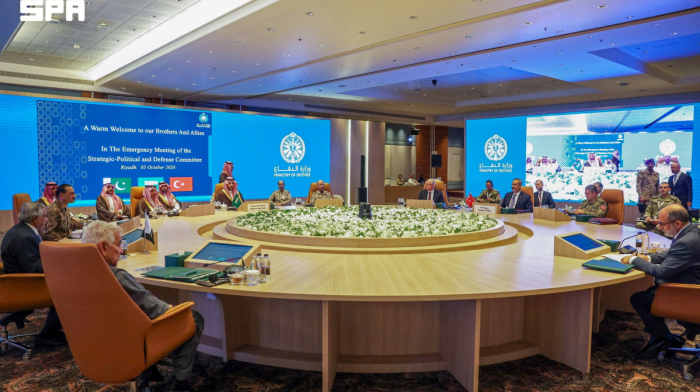
Iran's Supreme National Security Council says senior officials from Saudi Arabia, Pakistan and Türkiye will travel to Tehran to discuss regional security.
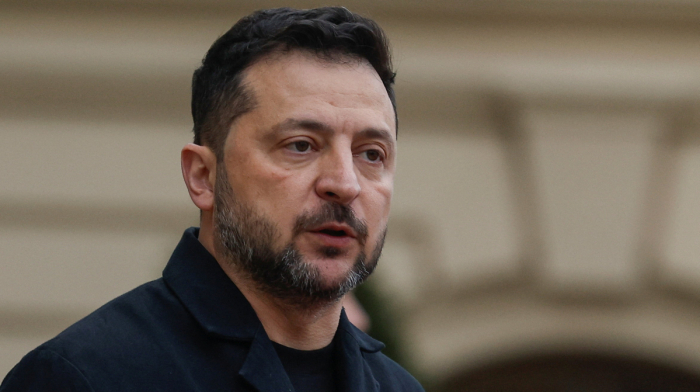
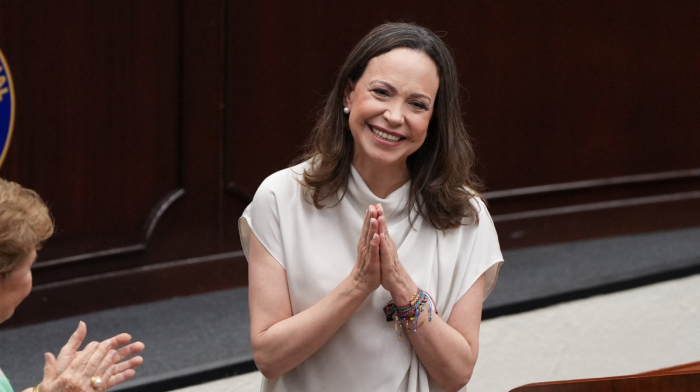
Venezuelan opposition leader María Corina Machado has returned to the South American nation almost a year after she secretly left the country to travel to Norway for the Nobel Peace Prize ceremony.
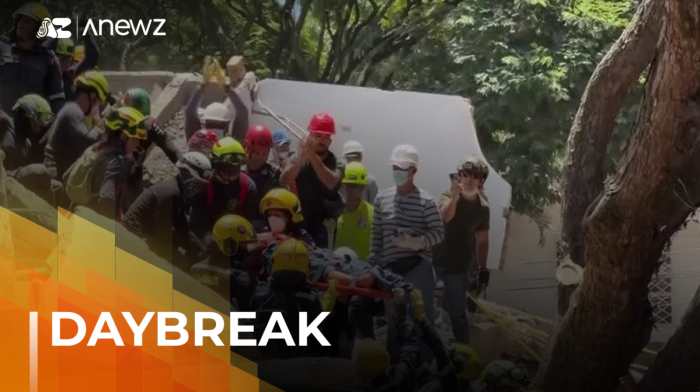
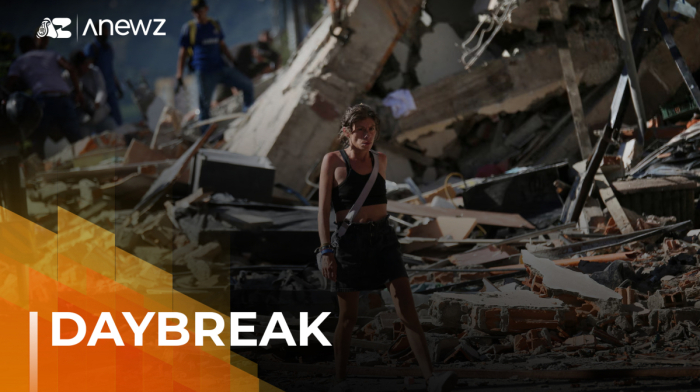
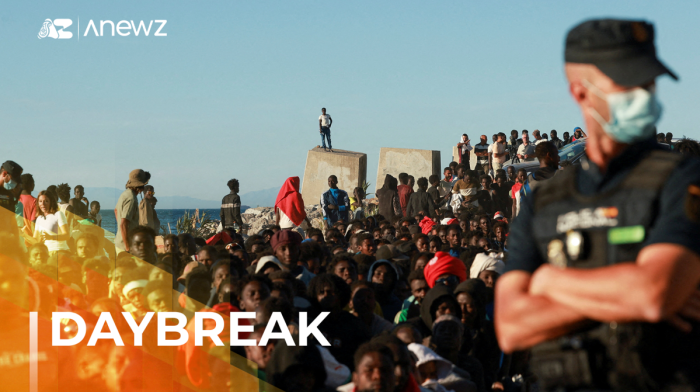
On 12 August, AnewZ’s Daybreak focused on the aftermath of Colombia’s devastating earthquake, tensions surrounding Iran and the Strait of Hormuz, growing Russia-North Korea military cooperation and security and environmental challenges across the Caspian and Black Sea regions.
On 11 August, AnewZ’s Daybreak examined U.S. President Donald Trump’s new demands for Iran, Russia-Iran cooperation and regional connectivity through the South Caucasus alongside key political, security and climate developments worldwide.
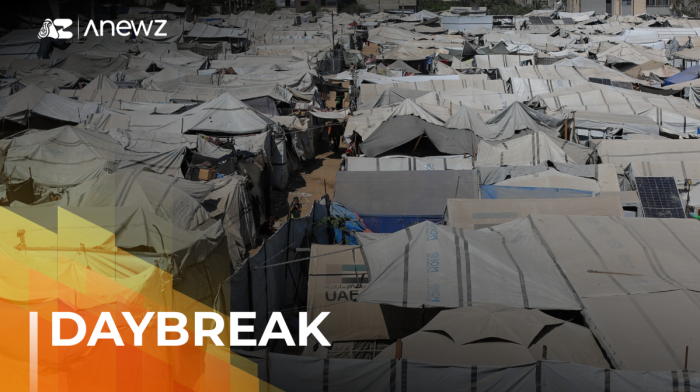
On 10 August, AnewZ’s Daybreak focused on developments in Gaza, Lebanon-Israel negotiations, Iran’s position on talks with Washington and the latest global security and climate-related challenges.
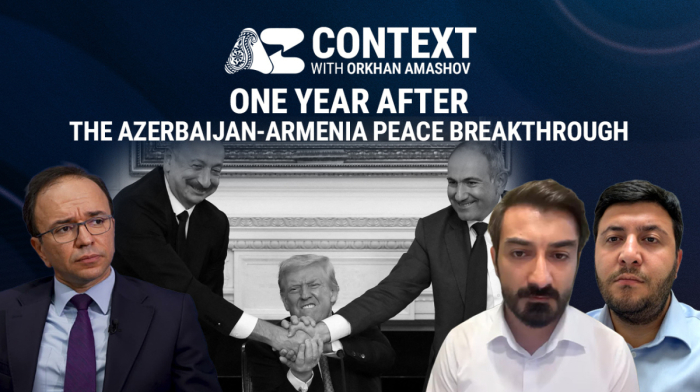
The 8 August commemorative edition of AnewZ's Context looked back on the year since the Washington breakthrough, examining how the initialling of the Azerbaijan-Armenia peace agreement and the launch of the Trump Route for International Peace and Prosperity have reshaped regional politics.
Download the AnewZ app
You can download the AnewZ application from Play Store and the App Store.












What is your opinion on this topic?
Leave the first comment