The 30 June edition of AnewZ's Context explored the regional implications of Israel's decision to recognise the events of 1915 in the Ottoman Empire as genocide, focusing on how the move has affected diplomatic dynamics between Türkiye, Israel, Azerbaijan and Armenia.
The programme examined why both Baku and Yerevan responded cautiously despite their differing historical positions, and what the development means for ongoing regional normalisation efforts.
Peace process and EU engagement
Political analyst Boris Navasardian joined the programme to discuss Armenia's evolving foreign policy priorities. He argued that the government is placing greater emphasis on normalising relations with Türkiye and Azerbaijan than on pursuing international recognition of the 1915 events.
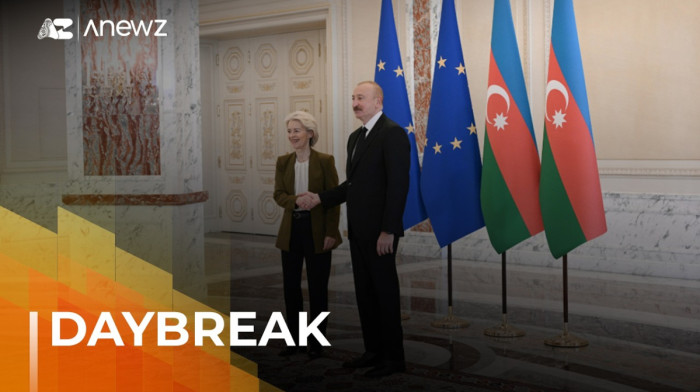
The discussion also explored the European Union's growing role in the South Caucasus ahead of European Commission President Ursula von der Leyen's visit to the region, including cooperation on transport connectivity, energy security and the Middle Corridor.
Regional connectivity
The programme also examined the prospects for expanding regional transport links, including Armenia-Türkiye connectivity, the proposed Trump Route for International Peace and Prosperity, and the wider geopolitical interests of Russia and Iran.
The discussion focused on how improved infrastructure and dialogue could contribute to long-term peace and economic integration across the South Caucasus.














What is your opinion on this topic?
Leave the first comment