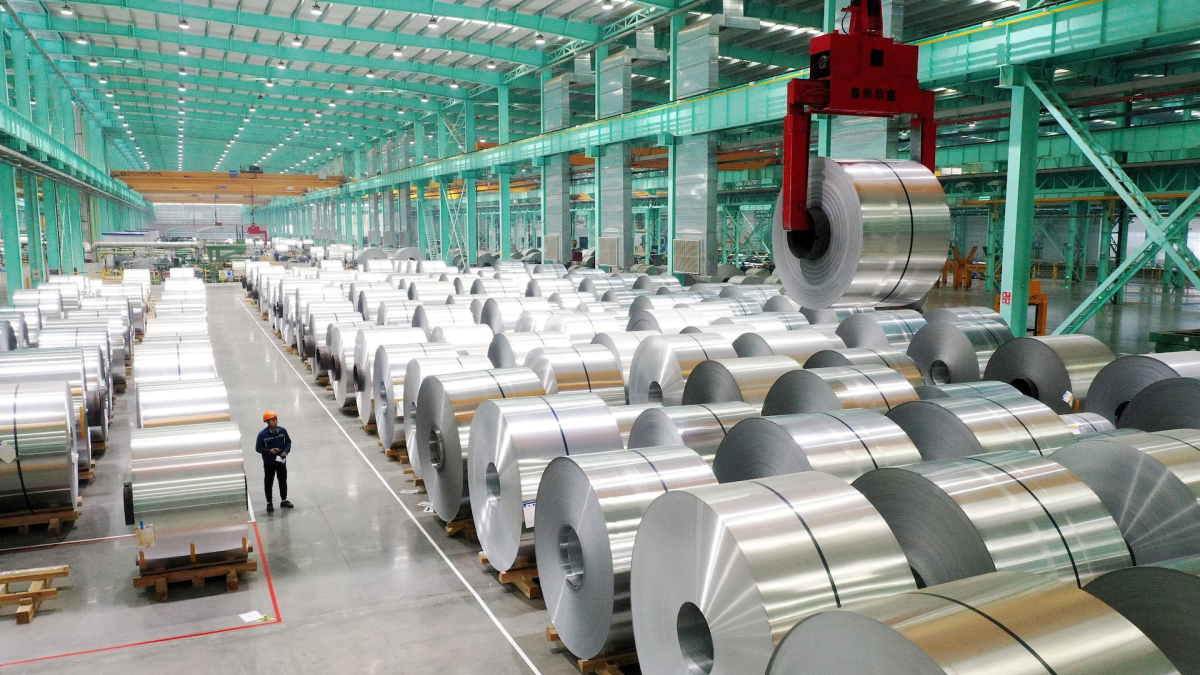
The global commodities market is facing a severe structural supply shock after a series of coordinated military strikes in the Middle East devastated critical industrial infrastructure, threatening the manufacturing base of Western economies.
The benchmark London Metal Exchange (LME) three-month price for aluminium rocketed to $3,535 per metric tonne on the 31st of March, representing a staggering year-on-year increase of approximately 40%.
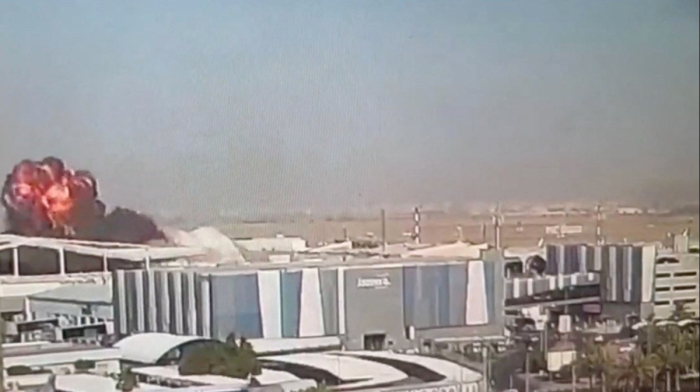
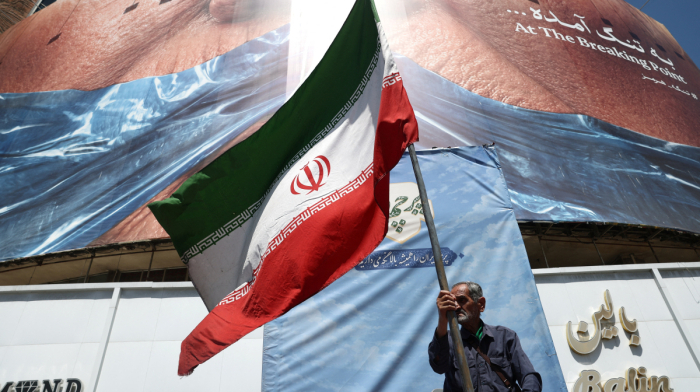
This dramatic price hike is the direct result of a rapid military escalation in the Gulf. Iran's Islamic Revolutionary Guard Corps (IRGC) claimed responsibility on Sunday (29 March) for launching coordinated missile and drone strikes against major aluminium plants in Bahrain and the UAE. According to statements issued from Tehran, the facilities were deliberately targeted due to their deep integration with United States military and aerospace industries, acting as direct retaliation for recent U.S.-Israeli attacks on Iranian domestic steel factories.
Infrastructure damage and a severe global supply deficit
The physical devastation inflicted upon the Gulf’s industrial infrastructure has fundamentally altered the global supply-and-demand balance for industrial metals. Emirates Global Aluminium (EGA), one of the world's premier producers, issued a statement confirming that its Al Taweelah site - located in the Khalifa Economic Zone in Abu Dhabi - was severely damaged following the Iranian drone and missile bombardments. The company reported that several employees were injured in the blasts, and core operational capacities have been indefinitely compromised.
Concurrently, Aluminium Bahrain (Alba) confirmed in a Sunday statement that portions of its primary production facilities were also directly struck, resulting in injuries to two workers and prompting an immediate halt to several key processing lines.
Together, these two mega-plants boast a combined annual output of 3.2 million tonnes. This figure represents more than half of the approximately 6 million tonnes of aluminium produced annually by Gulf Cooperation Council (GCC) member states. Because the Gulf region is a critical node in the commodities market, accounting for roughly 9% of global primary aluminium production, the sudden removal of this capacity has triggered intense panic among traders and industrial consumers alike.
Investment bank Goldman Sachs rushed to revise its commodities outlook on Tuesday (31 March). Analysts raised their LME aluminium price forecast from $3,200 to $3,450 per tonne for the second quarter of 2026, a target the market has already aggressively surpassed.
Goldman Sachs now predicts a global primary aluminium market supply deficit of 570,000 tonnes for the year. This represents a structural turnaround from their previous projection, which had anticipated a comfortable 550,000-tonne global surplus, highlighting the impact of the IRGC strikes on the market.
Downstream chaos and the Strait of Hormuz bottleneck
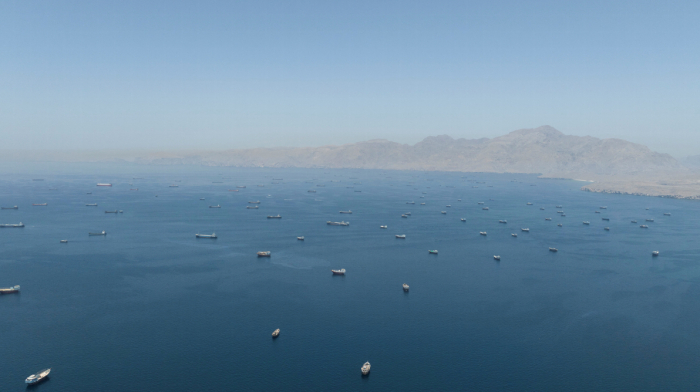
Analysts warn that the aluminium market is currently enduring a perfect storm of multiple, compounding logistical shocks. Even if the surviving Gulf facilities can maintain partial production, the nightmare of exporting the metal has been severely exacerbated by ongoing security disruptions in the Strait of Hormuz. With commercial shipping routes heavily restricted by the constant threat of further Iranian military action, vessels carrying vital industrial exports are facing immense delays and skyrocketing insurance premiums, effectively bottling up regional supply.
Furthermore, production in other parts of the world remains constrained and cannot rapidly scale up to fill the massive void left by the Gulf outages.
This will inevitably spread to downstream manufacturing enterprises in the coming months, sparking fears of prolonged industrial stagnation. The most acute constraints will be felt in the supply of high-cost aluminium alloys, which are absolutely indispensable to the aerospace, automotive, and construction industries.
The IRGC explicitly targeted these facilities due to their links with Western defence and aerospace supply chains, and the tactical impact of that decision is now materialising.
The Gulf region has long served as the primary source of these specialised, high-end products, particularly for the European market, which previously shuttered much of its own energy-intensive smelting capacity during previous energy crises.
Furthermore, the region is a crucial supplier to advanced manufacturers in the United States. Without reliable and immediate access to these advanced alloys, Western carmakers and aviation giants will soon face critical material shortages.
Analysts warn this will inevitably lead to production line halts, delayed deliveries, and a sharp increase in consumer prices across the global transport, defence, and housing sectors.




















What is your opinion on this topic?
Leave the first comment