Rohingya genocide explained: What the landmark ICJ ruling means for Myanmar
The United Nations' highest court has ruled that Myanmar committed genocide against its Rohingya Muslim minority during a 2017 military crackdo...
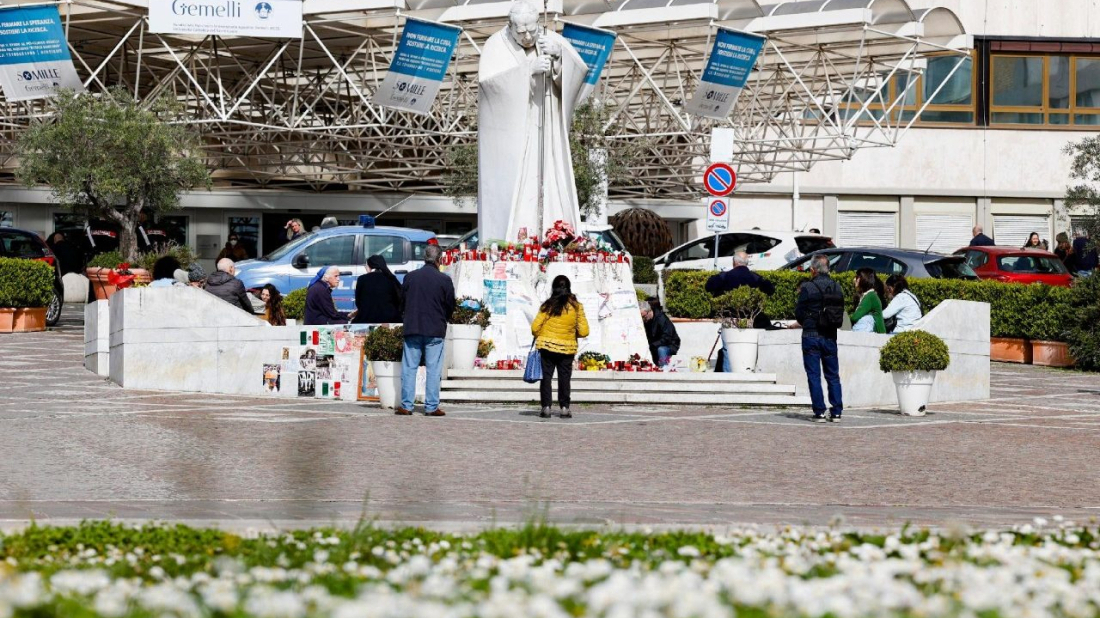
Pope Francis had a restful night, the Holy See Press Office said on Wednesday, two days after the Pope's doctors said his prognosis was no longer guarded even if he requires more time in the hospital.
Pope's clinical situation remains stable with doctors confirming slight improvements within a context that nevertheless remains complex.
He continued the high-flow oxygenation therapy throughout the day. Pope also followed the spiritual exercises at the Vatican via video link with the Paul VI Hall, spent time in prayer, and received the Eucharist.
Tuesday marked the 67th anniversary of the Pope's entry into the Society of Jesus. The Pope participated remotely in the spiritual exercises held in the Paul VI Hall at the Vatican, where members of the Roman Curia had gathered. They prayed the Rosary for the Pope's healing.
On 12 March more information will be provided by the doctors, who yesterday lifted their guarded prognosis, while still noting the complex clinical condition.
Also today, there will not be a distribution of the General Audience catechesis given that this week the spiritual excercises are taking place.
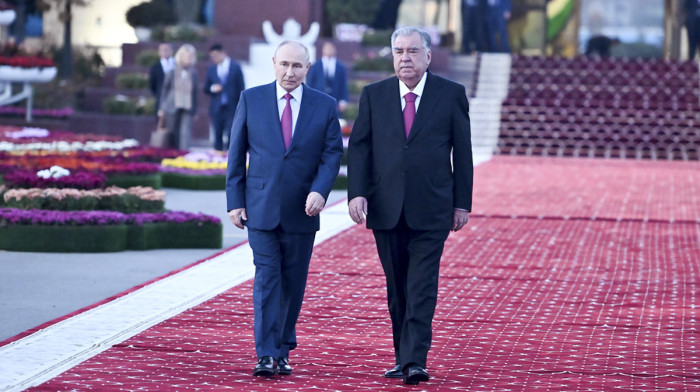
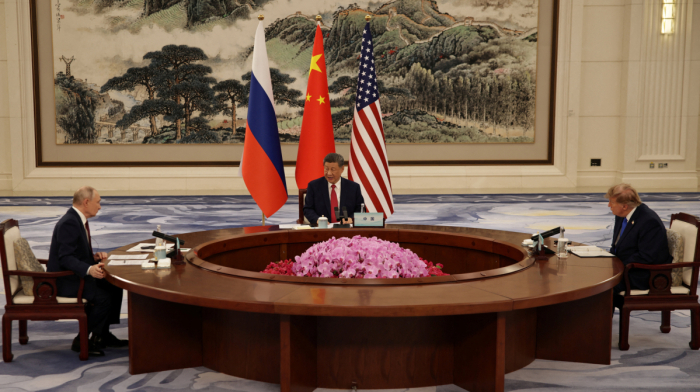
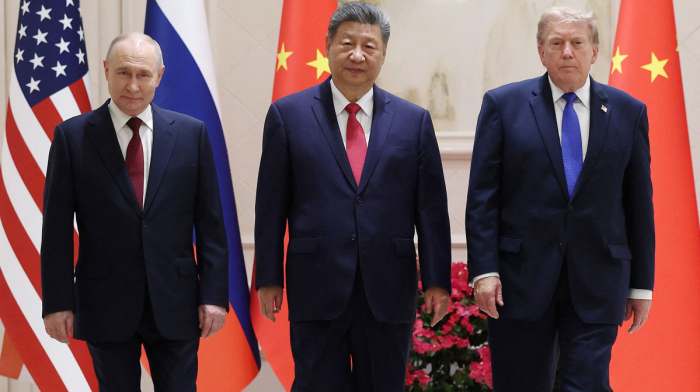
U.S. President Donald Trump, Russian President Vladimir Putin and Chinese President Xi Jinping are holding trilateral talks at the APEC summit in Shenzhen, China, with Ukraine, nuclear arms control and global security on the agenda.
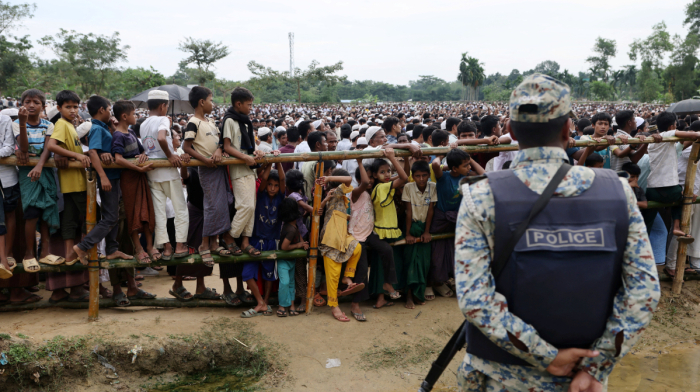
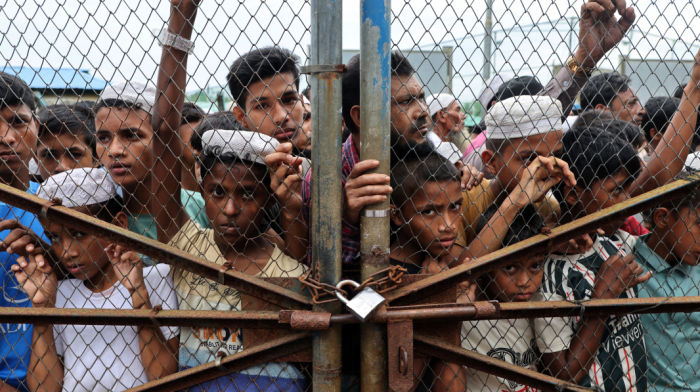
Myanmar's security forces committed genocide against Rohingya Muslims during a brutal military crackdown in 2017 that killed thousands and involved widespread sexual violence, the United Nations' top court ruled on 19 November.
U.S. President Donald Trump, China's Xi Jinping and Russia's Vladimir Putin have issued a joint “declaration of peace” following historic talks in southern China, but stopped short of committing to nuclear arms reductions or addressing the war in Ukraine in their joint statement.
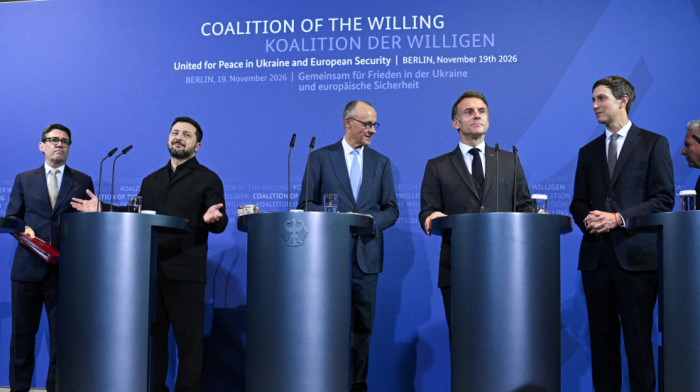
European leaders backing Ukraine met in Berlin on Thursday 19 November and warned that no peace deal should be settled without them.
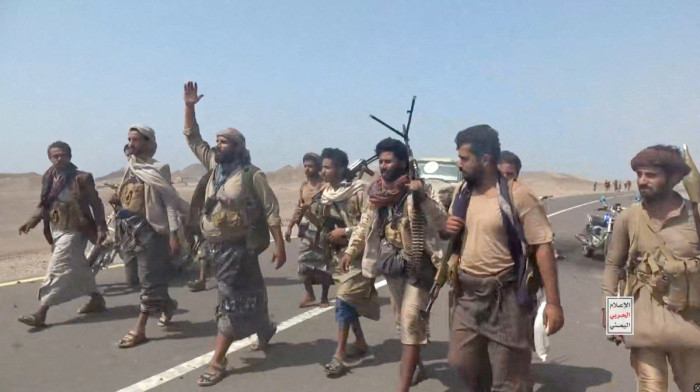
Saudi Arabia is preparing for up to six more months of fighting against Yemen’s Houthis, potentially extending the conflict into spring 2027, Reuters reported, as the kingdom struggles to secure gains on the ground.
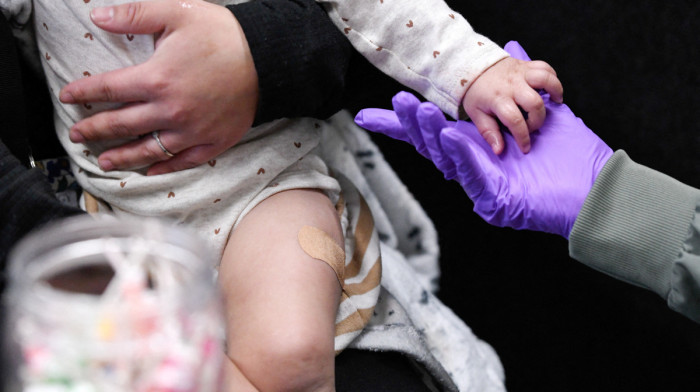
For the first time in more than a quarter of a century, the United States can no longer say it has eliminated measles as health experts warn the American outbreak reflects a collapse in trust in vaccines.
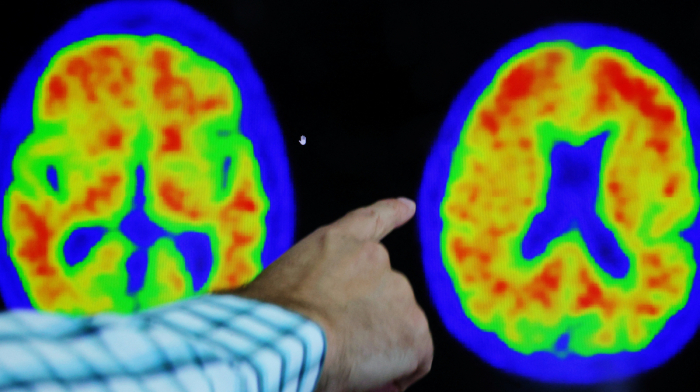
A new study in mice suggests the brain’s protective barrier does more than block harmful substances. It also delivers essential proteins from the body, a process that may break down early in Alzheimer’s disease and offer a new target for treatment.
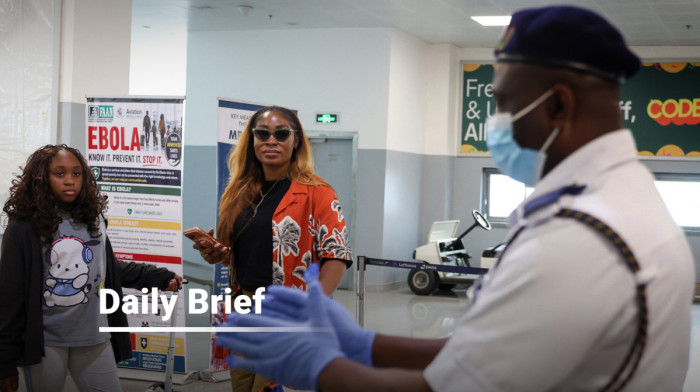
Here's your AnewZ Daily Brief for the 5th of November, as health emergencies, humanitarian crises, political shifts, and cybersecurity threats put governments and essential services under pressure across the globe. Here are five stories worth your attention.
Kazakhstan plans to manufacture 494 types of medicines through eight major investment projects worth a combined $862 million, Health Minister Akmaral Alnazarova announced on 3 November, local media reported.
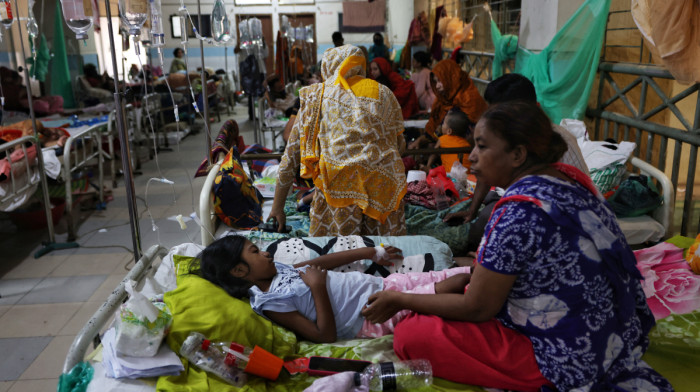
Dengue fever has killed more people in Bangladesh this year than in the whole of 2025, with October the deadliest month so far, data from Bangladesh's Health Ministry shows.
You can download the AnewZ application from Play Store and the App Store.
What is your opinion on this topic?
Leave the first comment