More than 2,000 detained as Delhi protests demand India election chief’s resignation
Indian police detained more than 2,000 protesters in Delhi on Saturday as authorities blocked a planned demonstration calling for the resignation o...
Leading Chinese and international scientists have called for stronger global cooperation to tackle pressing challenges and accelerate progress toward the Sustainable Development Goals, emphasizing the role of science and innovation in shaping a sustainable future.
Chinese and international scientists have urged the global scientific community to work more closely together to advance the United Nations Sustainable Development Goals (SDGs), emphasizing the importance of innovation, collaboration, and shared responsibility.
The call came during a seminar in Beijing titled “Sustainable Development and Inclusive Collaboration: Responsibilities of the Scientific Community,” held to mark the 70th anniversary of the Academic Divisions of the Chinese Academy of Sciences (CAS).
Hou Jianguo, president of the CAS, highlighted the complex and interconnected nature of today’s global challenges - including climate change, pollution, resource scarcity, and food insecurity. He noted that these challenges are emerging alongside transformative opportunities brought by new technological revolutions.
He emphasized that CAS continues to deepen its efforts in critical fields such as ecological protection, life sciences, health, and energy, aiming to harness innovation for sustainable solutions. Looking forward, CAS will focus on fostering international collaboration, talent exchange, joint research, open data sharing, and responsible use of emerging technologies like artificial intelligence.
Chennupati Jagadish, president of the Australian Academy of Science, reflected on decades of fruitful cooperation with Chinese institutions, underscoring the ability of science to bridge geopolitical divides and promote multilateral collaboration in fields such as quantum science and AI.
Sergey Chernyshev, vice president of the Russian Academy of Sciences (RAS), stressed that the RAS prioritizes scientific partnership with China, viewing future CAS-RAS collaboration as crucial for tackling shared global issues and strengthening bilateral ties.
Peter Gluckman, president of the International Science Council (ISC), praised CAS as a leader in the global science landscape - not only for its contributions to research but also for its commitment to fostering international partnerships and advancing science for global good.
The seminar brought together over 60 participants, including heads of major science academies and research organizations from 14 countries and regions, along with domestic and international members of the CAS.

Leaders of countries from the Commonwealth of Independent States (CIS) have agreed to hold coordinated population censuses around 2030. They took the decision at the CIS Council of Heads of State meeting in Awaza, Turkmenistan on Friday, media reported.
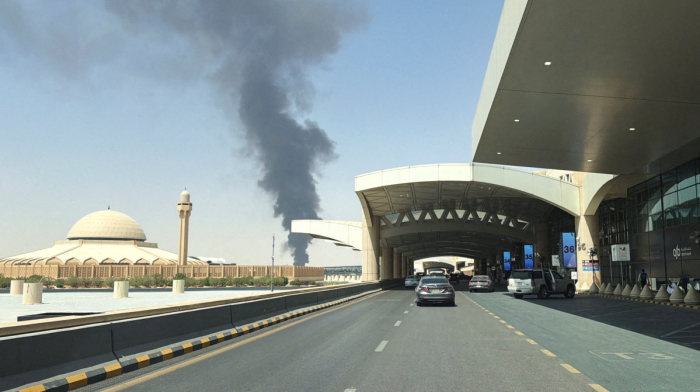
A powerful explosion has been reported at King Khalid International Airport in Riyadh, raising fresh concerns over aviation security in Saudi Arabia as tensions across the region continue to escalate.
Britain and Israel have reached a temporary compromise over the future of the British Consulate General in East Jerusalem, easing a diplomatic dispute that had threatened to further strain relations between the two countries.
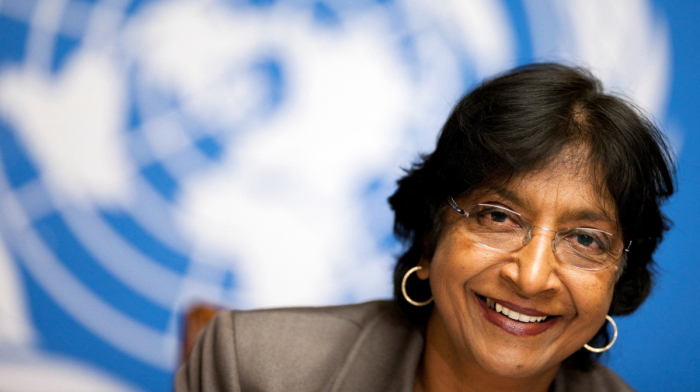
South African judge Navanethem “Navi” Pillay won the Nobel Peace Prize on Friday “for her efforts to promote peace and international law,” the Norwegian Nobel Committee said.
The U.S. has imposed sanctions on the International Criminal Court (ICC) on Friday (9 October) escalating tensions with European allies and potentially targeting companies that provide services to the tribunal. The move came hours after former ICC judge Navi Pillay won the Nobel Peace Prize.
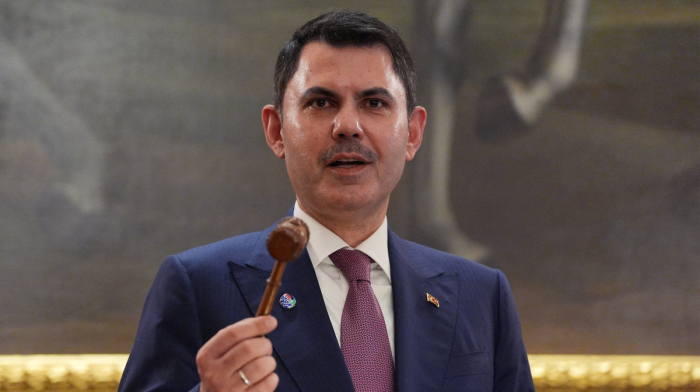
Türkiye’s COP31 presidency has unveiled an action agenda designed to turn climate commitments into concrete projects and measurable results, focusing on clean energy, waste reduction, resilient cities and industrial decarbonisation.
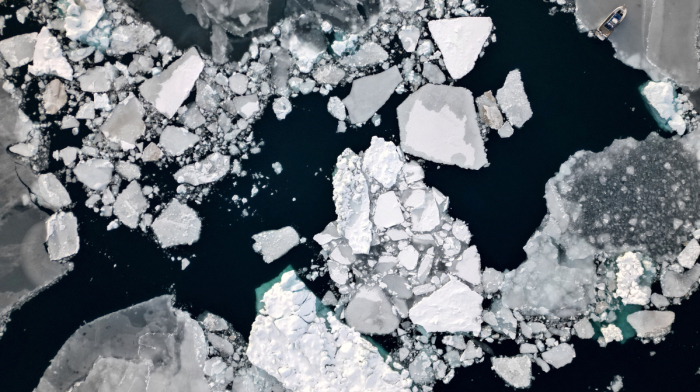
Greenland and Antarctica have shed a combined 11.3 trillion tonnes of ice since 1979, according to the most comprehensive satellite study of the planet's ice sheets to date, with researchers warning the pace of loss has accelerated sharply in recent decades.
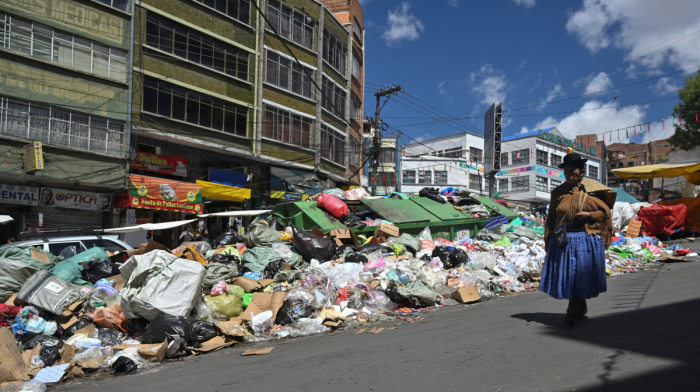
The European Union will continue allowing large-scale plastic waste exports to Türkiye despite concerns over recycling rates, environmental damage and the risk of illegal waste trafficking.
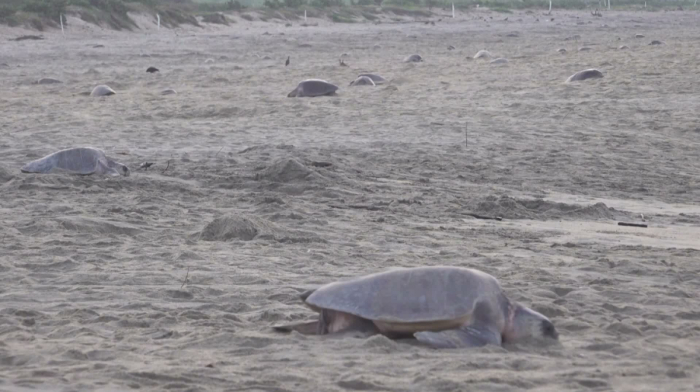
Hundreds of thousands of deep-diving turtles, known as olive ridley sea turtles, have arrived on Mexico’s southern coast for one of nature’s most striking nesting events. But conservation officials warn that climate change is making it increasingly difficult for their eggs to hatch.
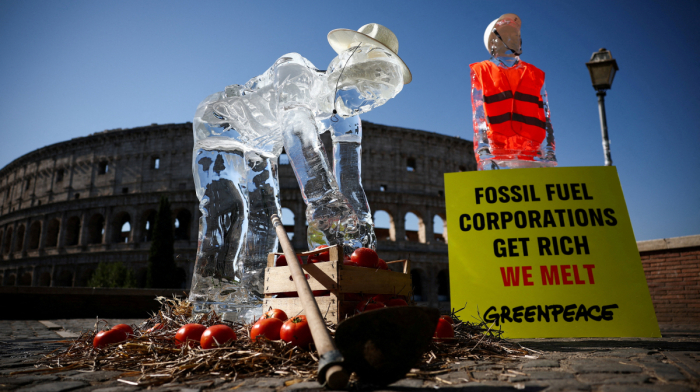
August 2026 tied as the hottest month ever recorded globally, pushing average temperatures above the critical 1.5°C threshold as extreme weather swept across several regions, the EU’s Copernicus Climate Change Service said.
You can download the AnewZ application from Play Store and the App Store.
What is your opinion on this topic?
Leave the first comment