live European leaders meet in Dublin for security talks as Aliyev holds key bilateral meetings
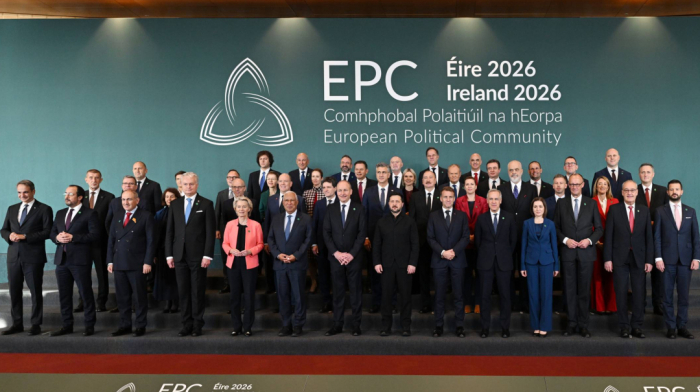
European leaders gathered in Dublin on Thursday, 12 November, for the ninth European Political Community (EPC) summit, with security, defence and e...
Azerbaijan showcased its green transition plan at the Copenhagen Ministerial, targeting 30% renewable energy by 2030. The country also secured a $300 billion climate finance pledge and helped finalize a key carbon market agreement, highlighting its growing role in global climate action.
Azerbaijan presented its green transition roadmap at the Copenhagen Ministerial, continuing its journey toward a sustainable future with a commitment to generating 30% of its energy from renewables by 2030. The country's plans include investing in offshore wind energy in the Caspian Sea, creating green zones in Eastern Zangazur and Karabakh, and establishing new energy corridors to Europe. These efforts are part of Azerbaijan's broader strategy to strengthen regional clean energy cooperation, particularly with neighboring countries like Kazakhstan and Uzbekistan.
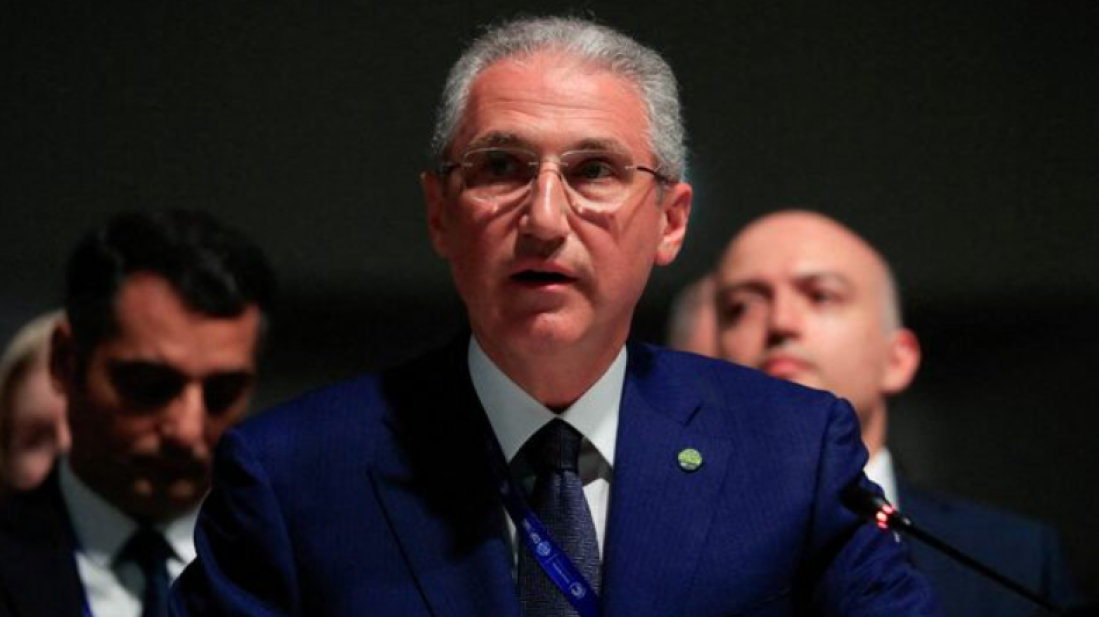
In addition to its green transition plans, Azerbaijan made significant strides in climate finance, with COP29 President Mukhtar Babayev confirming that donor countries agreed to contribute at least $300 billion from public sources to support global climate goals. This historic pledge, finalized during preparatory negotiations, is a major milestone for international climate action.
Azerbaijan also played a pivotal role in the breakthrough on Article 6 of the Paris Agreement, which addresses carbon trading between countries. After a decade of stalled discussions, the country helped unlock a deal on market-based cooperation mechanisms, marking a significant achievement in global carbon market development.
Through these efforts, Azerbaijan is cementing its position as a key player in global climate leadership and driving progress towards a more sustainable and resilient future.
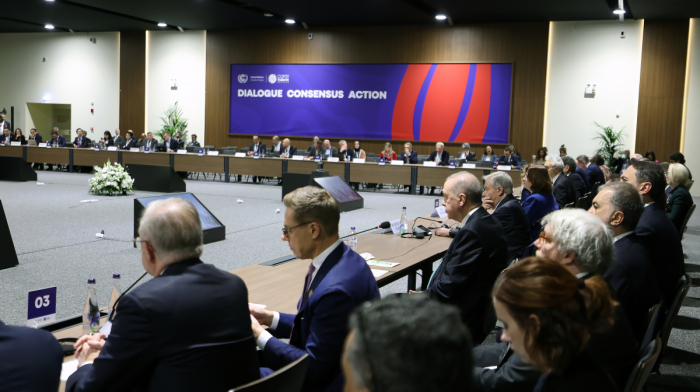
UN Secretary-General António Guterres delivered a stark warning at this year's COP31 summit, saying the climate crisis iss advancing faster than governments' efforts to contain it.
European leaders gathered in Dublin on Thursday, 12 November, for the ninth European Political Community (EPC) summit, with security, defence and energy high on the agenda. Azerbaijani President Ilham Aliyev held talks focused on peace, trade and regional cooperation.
Here's your AnewZ Daily Brief for 11 November. Today, we cover Russia-Ukraine peace talks, political tensions in Washington, strikes in Spain, espionage allegations involving Nvidia's CEO, and climate negotiations at COP31 in Türkiye.
Four million workers across Spain joined a general strike on Wednesday over the country’s deepening housing crisis, unions said, bringing disruption to factories, ports, shops and public transport just weeks before a snap general election.
Iran has unveiled a new underground missile and drone base, warning that it will respond forcefully to any attack, as tensions persist with the U.S. and oil tankers continue to be struck by naval mines in the Strait of Hormuz.
Lahore, the capital of Pakistan’s eastern Punjab province, has topped global rankings of the most polluted major cities as hazardous smog continues to blanket the region.
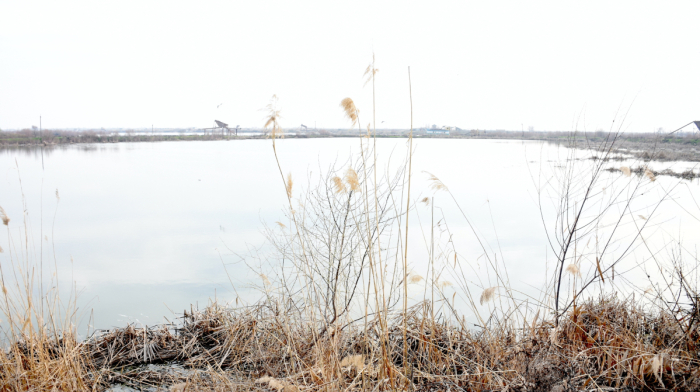
Uzbekistan has showcased its first artificial glacier project at the COP31 climate summit in Antalya, Türkiye, highlighting an innovative way to store winter water for use in warmer months as Central Asia grapples with worsening water shortages.
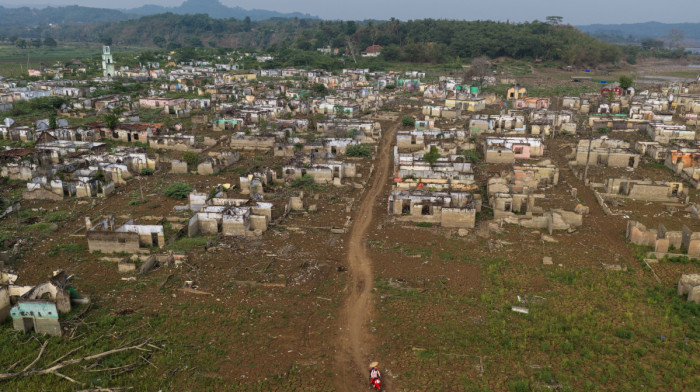
Uzbek President Shavkat Mirziyoyev has allocated $10 million to reinforce the Afghan banks of the Amu Darya River, where erosion threatens farmland and homes, the Afghanistan Chamber of Commerce and Investment (ACCI) said after talks in Balkh on Tuesday.
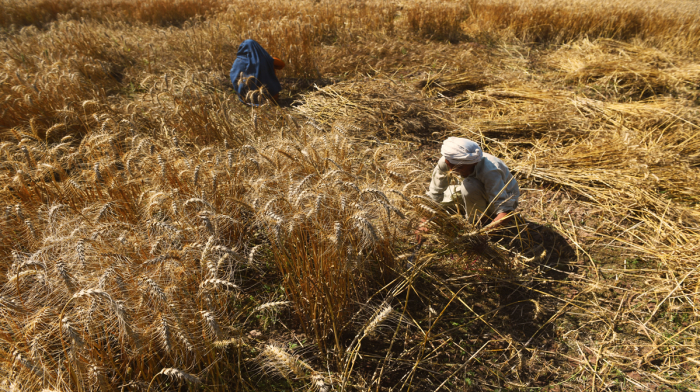
Extreme heat is threatening agricultural production and food security in Pakistan's eastern Punjab province, where increasingly frequent and severe heatwaves are disrupting farming, damaging livestock and reducing household incomes.
Global temperatures are projected to rise by up to 2.8°C above pre-industrial levels by 2100 under current climate policies, according to a United Nations report published on 21 October, raising concerns about the world's ability to meet international climate targets.
You can download the AnewZ application from Play Store and the App Store.
What is your opinion on this topic?
Leave the first comment