live U.S.-Iran standoff continues as Hormuz shipping and diplomacy remain uncertain
Shipping traffic through the Strait of Hormuz remains limited on Thursday, with no increase in vessel crossings as U.S.-Iran talks to res...
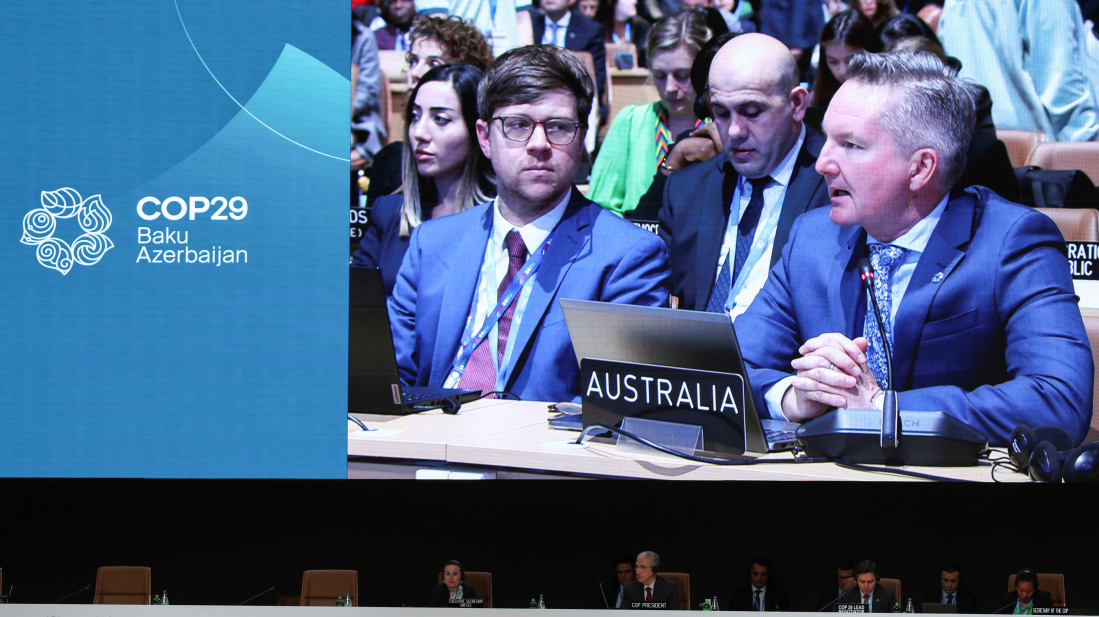
The decision on who will host COP31 has been postponed until next June. Regardless of whether Australia wins the bid, the world's third-largest fossil fuel exporter must focus on creating a plan to phase out its coal and gas production, Eco-Business reports.
Australia and Pacific island nations had hoped to leave this year’s climate talks in Azerbaijan with the COP31 hosting bid secured. However, the decision has been deferred until June next year, after Australia’s federal election.
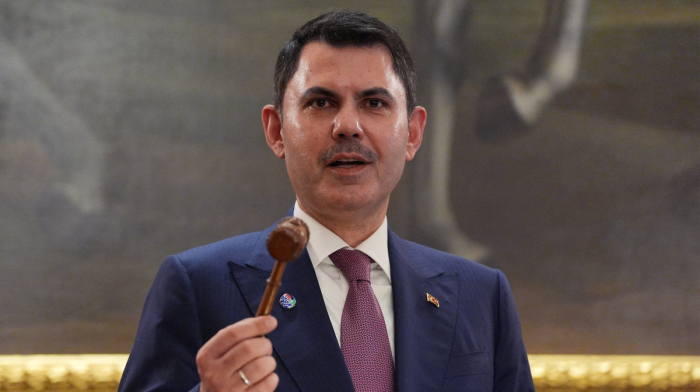
Türkiye, the only other competitor, has refused to step aside despite lobbying efforts, which could slow down preparations for a successful 2026 summit. Experts warn this delay might affect the summit’s goals, as building agreement and planning ambitious actions takes time.
Australia's joint bid with Pacific nations has garnered significant support, reflecting the region’s moral authority in climate action.
Climate Minister Chris Bowen played a pivotal role at COP29, advancing discussions on climate finance, which is central to building trust in global cooperation. By stepping into this leadership role, Bowen has positioned himself as a candidate to potentially preside over COP31, should Australia secure the bid.
Hosting COP31 presents an opportunity for Australia to transition from its role as one of the world’s largest exporters of coal and gas to a leader in clean energy.
South Australia, with its renewable energy ambitions, has emerged as a strong contender to host the summit, aiming to showcase innovations like green hydrogen and steel production. These advancements could elevate Australia's economic prospects and climate credibility.
Nevertheless, Australia faces mounting pressure to phase out fossil fuel production, with emissions from exports more than doubling its domestic emissions. Pacific nations and climate experts continue to call for urgent action, urging Australia to set ambitious emissions targets and demonstrate genuine commitment to tackling the climate crisis.

The collective-defence agreement between Türkiye, Saudi Arabia and Pakistan signals that regional powers no longer want to rely solely on external security guarantees. Whether it becomes a stabilising deterrent or another axis of rivalry remains unresolved.
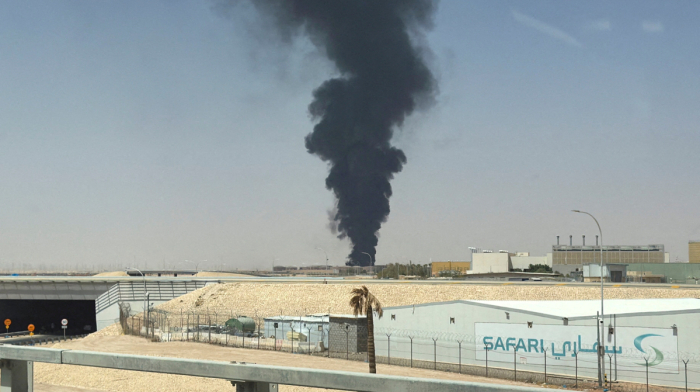
Shipping traffic through the Strait of Hormuz remains limited on Thursday, with no increase in vessel crossings as U.S.-Iran talks to resolve the conflict remained stalled. Nine commodity vessels transited the key waterway on Wednesday, unchanged from the previous day, according to Kpler data.
Shipping through the Strait of Hormuz has slowed, according to the latest data, as uncertainty over the waterway’s reopening kept most shipowners away. Six commodity vessels crossed the strait on Tuesday, down from nine the day before and below the 10-day daily average of 11.
Iran has said the Strait of Hormuz will remain closed until the U.S. fulfils the terms of an interim deal, including lifting the maritime blockade and sanctions and releasing Iran’s frozen assets.
Start your day informed with AnewZ Morning Brief. Here are the top news stories for the 19th of August, covering the latest developments.
A wildfire in Croatia driven by strong winds descended on the tourist town of Omis overnight, engulfing houses, forcing about 1,000 people to evacuate to safety and injuring dozens, fire brigade and health officials said on Friday.
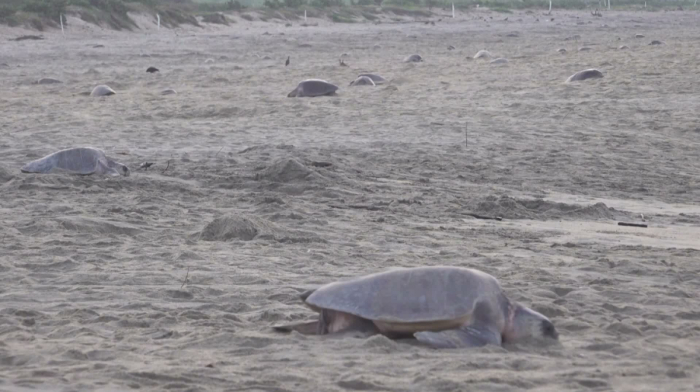
Rhossi, a rare Kemp’s ridley sea turtle that washed up near death on a Welsh beach in 2023, has returned to Texas after more than two years of rehabilitation in the UK.
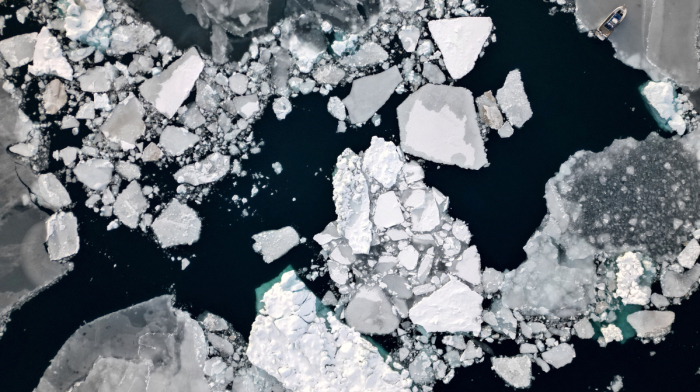
Glacier coverage in Kyrgyzstan’s Issyk-Kul Basin has shrunk by 33.7 per cent over the past 70–90 years, according to an updated glacier inventory by Kyrgyzhydromet. The agency says the pace of glacier retreat has accelerated sharply in recent years.
Extreme heat and historically low river levels are forcing nuclear power plants across Southeast Europe to reduce production, increasing pressure on already stretched electricity supplies and prompting governments to call for lower consumption.
Flash floods in Gansu Province in China's northwest last week killed 25 people and injured 23 more, the official Xinhua news agency reported on Sunday, raising earlier death tolls.
You can download the AnewZ application from Play Store and the App Store.
What is your opinion on this topic?
Leave the first comment