Four artworks by 15th-century painter Antonello da Messina have been stolen overnight from the Museo Regionale di Messina, Italy's culture minister said on Sunday, expressing confidence in the police inquiry.
The theft deprives Messina of parts of the only surviving work by the Renaissance painter to have remained in his native city, as well as a small painting acquired by the Sicilian Region two decades ago.
"I've learnt of the theft with shock and sadness," Culture Minister Alessandro Giuli said in a statement.
The thieves entered the museum on the night of 15 August, a national holiday in Italy, Italian media said.
A museum official reached by Reuters said they could not provide any information.
"It was almost out of a movie," said Enzo Caruso, a local councillor in charge of culture, according to the Corriere della Sera website.
Antonello da Messina works among stolen pieces
Caruso said the purchase of an Antonello da Messina artwork by the Italian state for $15 million earlier this year may have put the Messina museum on the criminals' radar.
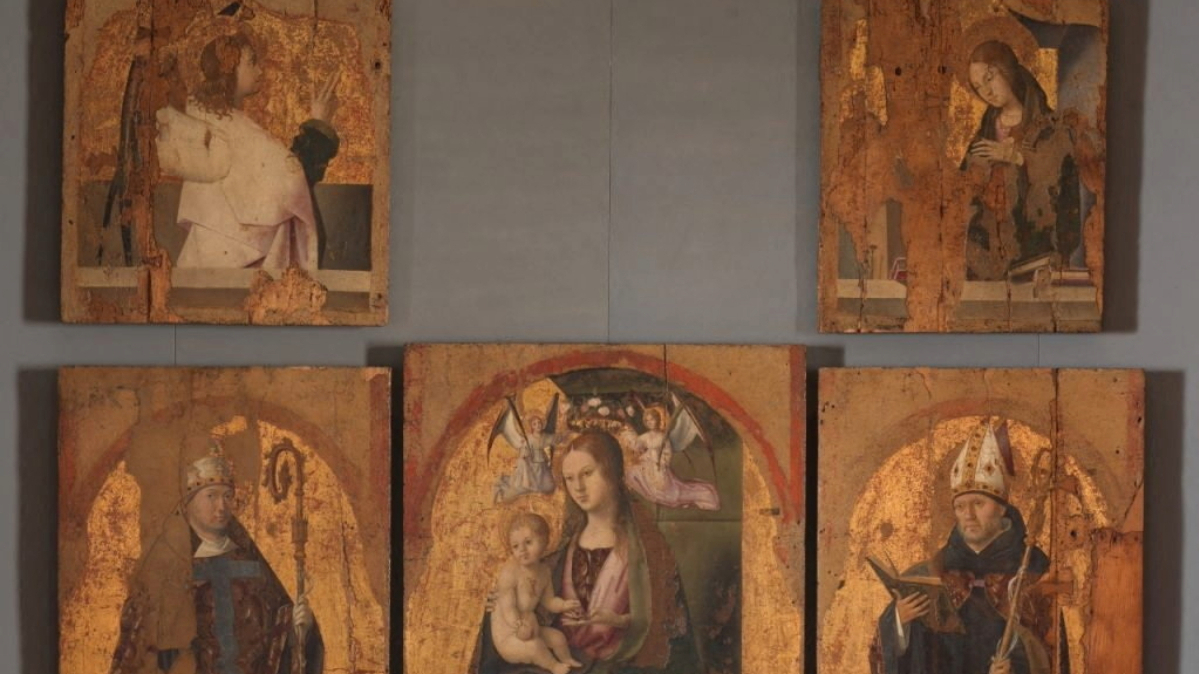
The thieves took three of five remaining panels that made up an altarpiece known as Polittico di San Gregorio.
Originally comprising six panels and destined for a local monastery that was destroyed by Messina's 1908 earthquake, the altarpiece was the only work by the Sicilian painter never to have left his hometown.
Second artwork taken from secure display
The thieves took a fourth artwork from a secure display case: a small two-sided painting depicting the Virgin with Child and a Franciscan monk on one side and Christ on the other.
The work was part of the Wilhelm Soldan collection and was sold by Christie's to the Sicilian Region in 2003, the year it was attributed to Antonello da Messina.
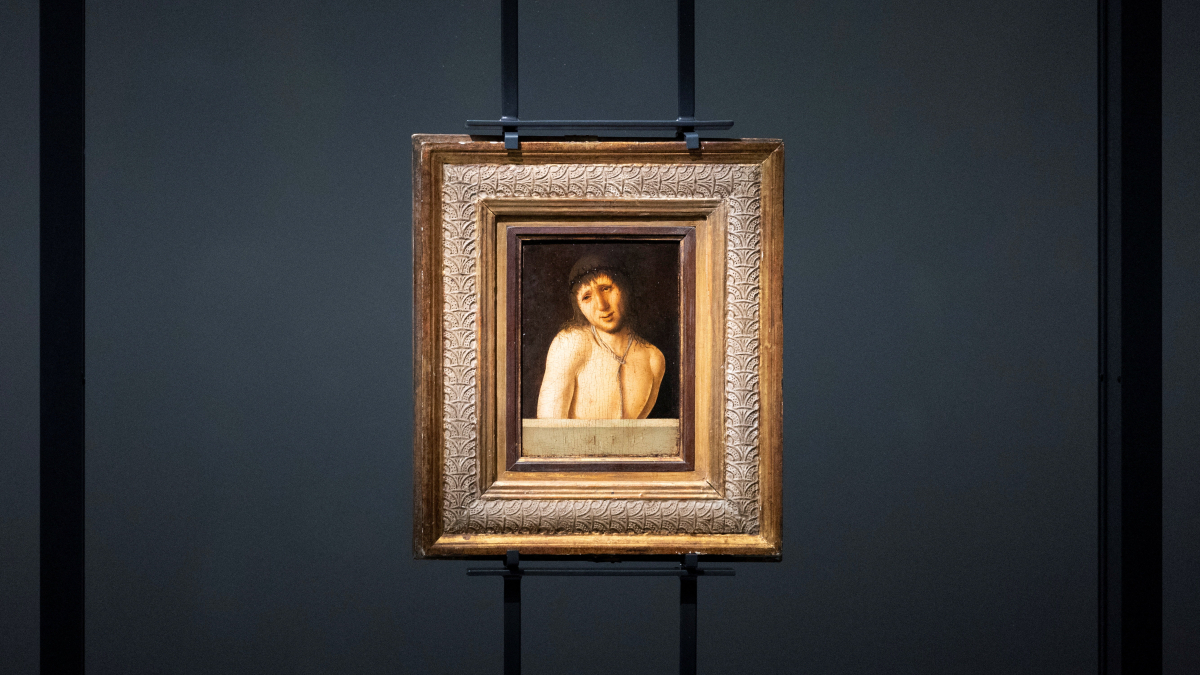
In February, Italy's culture ministry bought another two-sided painting, known as Ecce Homo, from Sotheby's just before it was to be sold at auction.
Antonello da Messina's legacy
Born around 1430, Antonello da Messina trained in Naples, where he studied the works of Provençal and Flemish artists, whose influence is apparent in his works.
He returned to Messina in 1457, where he worked until 1474.
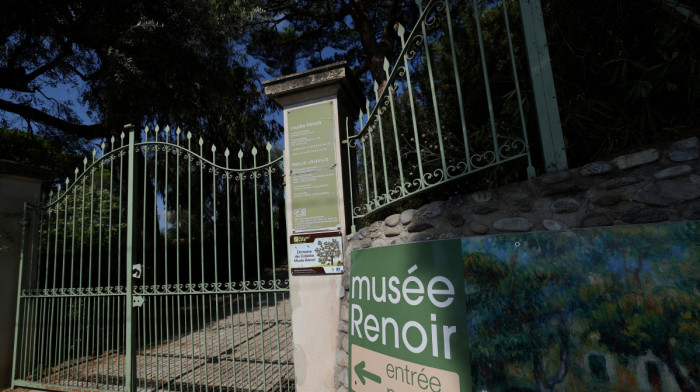
The Messina theft took place after Italian police on Friday recovered three paintings by French masters Paul Cézanne, Pierre-Auguste Renoir and Henri Matisse that were stolen from a museum near the northern city of Parma in March.

















What is your opinion on this topic?
Leave the first comment