How do social media rules for under-16s vary around the world?
Australia’s move to ban social media access for children under 16 has intensified a global debate, as governments around the world weigh toug...
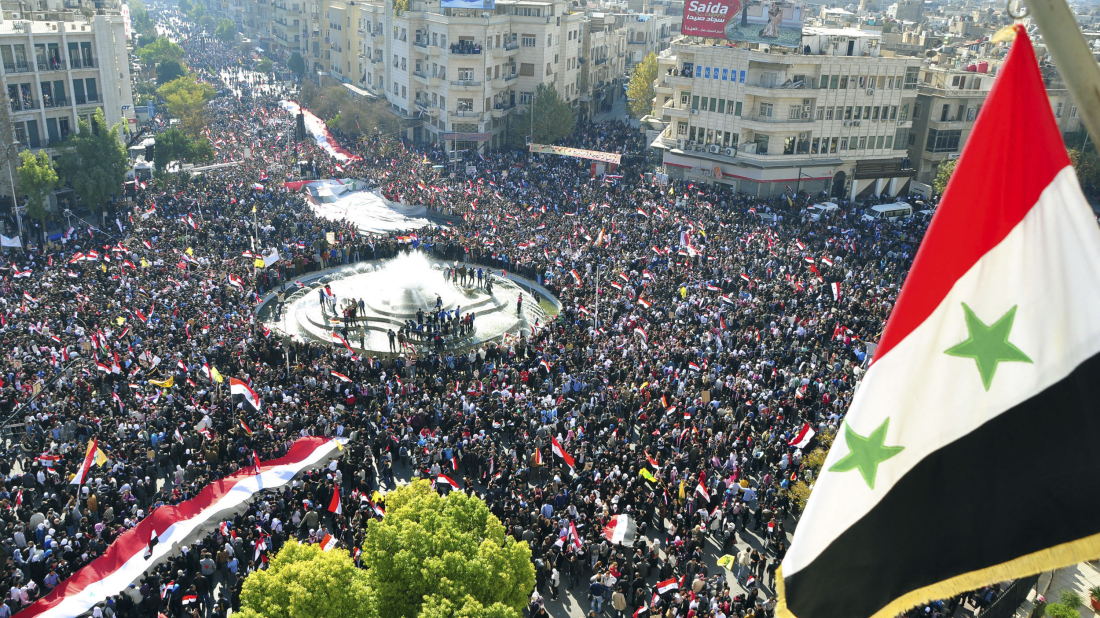
Syria is initiating economic reformation by reopening its economic markets, which have been through complete Paralysis for the past six months- considering it as the longest shutdown ever since the over-decade war and sanctions.
Syria is reopening its economic markets after a six month shut down of the whole country’s economy- being it the longest economic pause the country has endured though the long-lasting war and imposed sanctions. Syria’s stock exchange was resumed, and the opening bell was rung by officials signaling the restart of trading for 14 of the 28 listed companies.
Syrian Finance Minister Yisr Barnieh described the upcoming phase as a prosperity period for the Syrian economy. He affirmed there will be an overall revision of laws, new techniques implementations, and greater transparency.
According to the Syrian president Ahmed Al Sharaa, the economic reforms are expected to follow a political transformation. Having a newly established transitional government is shifting away from decades of rigid state centralized control to smoothen the road for modernized financial institutions and to encourage private-sector investments.
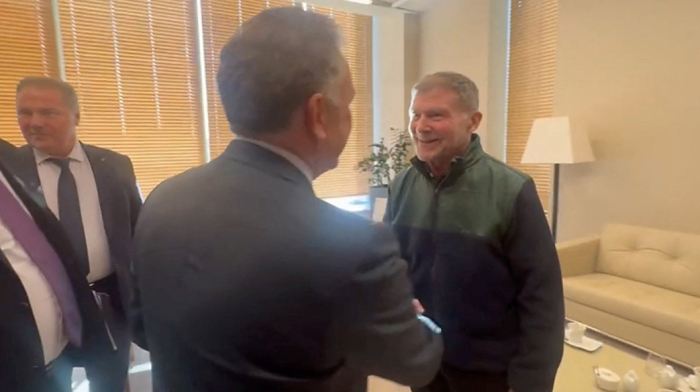
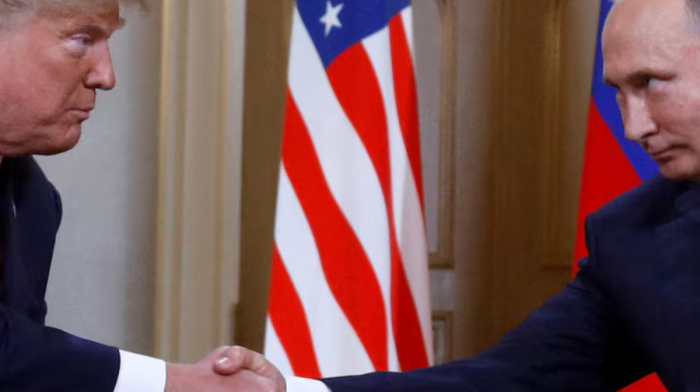
As for Last month, U.S. President Donald Trump met with Syria’s new leader, Ahmed al Sharaa, a significantly influential meeting that led to the reduction of key sanctions. The talks are understood to signify approval for Syria’s re-entry into global markets and the restoration of diplomatic ties.
Additionally, The European Union has lifted economic sanctions on Syria in an effort to help the war-torn country’s recovery process.
The Deputy Manager of Damascus Securities Exchange, Suleiman Mousselli, stated;
"We hope to benefit from the lifting of sanctions… We hope to be able to have better access to advanced technology and to introduce it to our trading system. This will enhance both our trading operations and market monitoring.”
In light of the event, while only half of Syria’s companies are back on board, officials say it’s a crucial step toward building a market-driven, post-conflict economy.
As for now, Syria’s recovery remains fragile, with its future heavily reliant on governance, investor trust, and lasting peace.

The Iran-U.S.-Israel conflict is intensifying, with fresh strikes near Tehran, European calls for restraint, and Iran threatening to target U.S. firms in the region, raising fears of a broader escalation across the Middle East.
The war in Iran has rapidly upended regional security, triggering spillover across the Middle East and raising fears of wider economic disruption that could threaten globalisation.
Japan’s growing interest in Caspian crude reflects a pragmatic response to uncertainty in global energy markets and its continued reliance on the Middle East for more than 90% of its oil imports.
Russia has expelled a British diplomat, accusing him of economic espionage in a move that further strains already tense relations between Moscow and London. The United Kingdom described the action as intimidation and rejected the allegations outright, Reuters reports.
Stock markets across Asia fell on Monday as escalating conflict involving Iran drove oil prices sharply higher, fuelling fears of inflation and a potential global recession, with investors reacting to disruption risks in the Strait of Hormuz and prolonged hostilities.
The U.S. national average retail price of petrol rose above $4 a gallon for the first time in over three years on Monday (30 March), according to GasBuddy data, as the U.S.–Israeli war with Iran continued to roil global energy markets.
Japan and Indonesia will deepen coordination on energy security, Tokyo said, as the U.S.-Israeli war on Iran disrupts vital oil and gas flows to Asia.
China's three largest state-owned airlines have issued warnings regarding their financial outlook for the current year, acknowledging that the eruption of war involving Iran has driven jet fuel prices to unsustainable highs.
Stock markets across Asia fell on Monday as escalating conflict involving Iran drove oil prices sharply higher, fuelling fears of inflation and a potential global recession, with investors reacting to disruption risks in the Strait of Hormuz and prolonged hostilities.
World Trade Organization (WTO) talks broke up with no agreement on Monday on a plan for reform or even on extending a moratorium on e-commerce, piling more pressure on the trade body that finds itself increasingly sidelined by economic nationalism.
You can download the AnewZ application from Play Store and the App Store.
What is your opinion on this topic?
Leave the first comment