EU leaders scramble to approve six-year budget before French elections
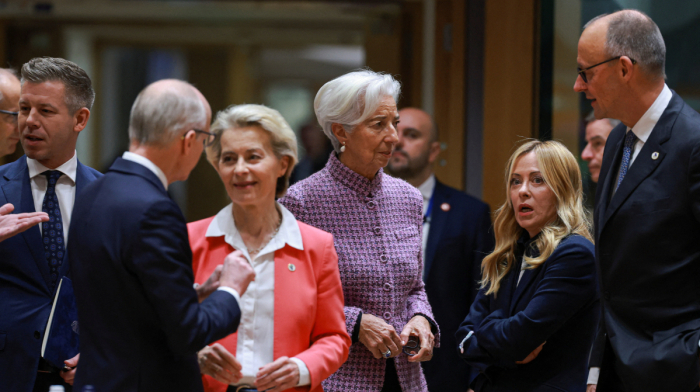
European leaders are trying to lock in a seven-year budget and billions of euros for Ukraine before France votes in Presidential elections in 2027,...
The United Nations Conference on Trade and Development agency (UNCTAD) faces deep staffing cuts amid a global funding crisis, raising concerns about its ability to support developing nations navigating economic shocks like U.S. tariffs.
These cuts, the largest in the agency’s history, come amid a broader funding crisis affecting the entire U.N. system.
Secretary-General Rebeca Grynspan warned the move will seriously limit UNCTAD’s ability to respond to the growing demand from developing countries, particularly as they seek guidance on the effects of global trade shifts, including U.S. President Donald Trump’s tariffs.
UNCTAD is included in the broader cost-reduction initiative across the U.N., driven by a notable decline in funding, partly due to decreased U.S. contributions and ongoing liquidity issues.
The U.N. Secretariat plans to reduce its total $3.7 billion budget by 20%, with various agencies—such as the human rights office in Geneva, facing requests to downsize operations.
The proposed budget for UNCTAD will be reviewed and finalized by the U.N. Secretariat and member states in September.

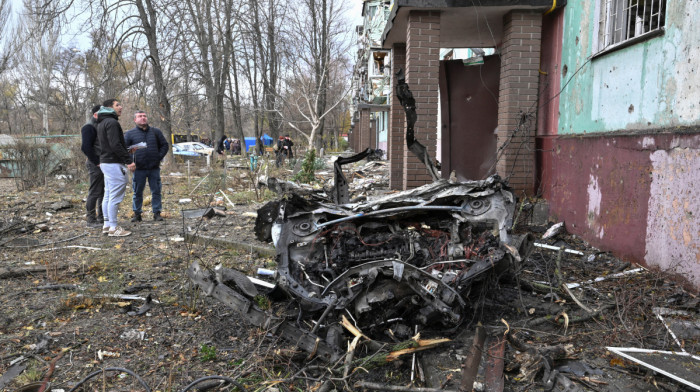
Overnight Russian strikes damaged energy and gas infrastructure across four Ukrainian regions, while Kyiv reported damaging five Russian military aircraft in attacks on the Savasleika airfield, officials said on Wednesday.
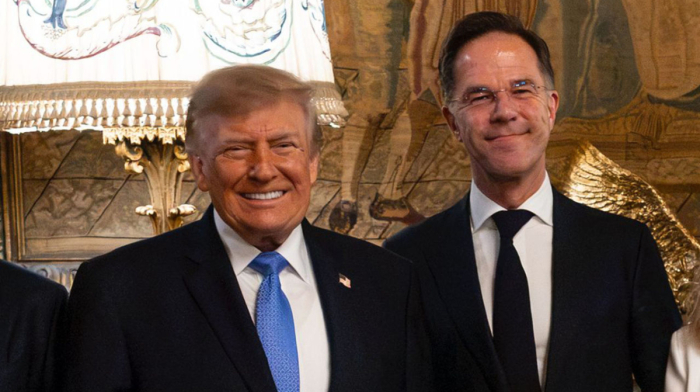
U.S. President Donald Trump and NATO Secretary General Mark Rutte urged Russia to avoid widening the war in Ukraine and called for a swift peaceful resolution during talks in Florida on Wednesday (25 November). They also discussed NATO defence spending and the war in Iran.
Civil society representatives from Armenia and Azerbaijan are meeting in Armenia on 26 and 27 November, in the latest round of talks aimed at building support for peace.
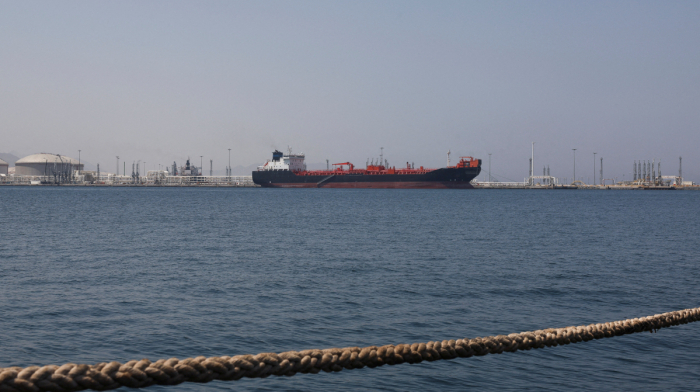
Iran’s Revolutionary Guards say two more oil tankers have struck naval mines and caught fire in the Strait of Hormuz, as Tehran warns Israel and the U.S. of a fierce response to any renewed military action.
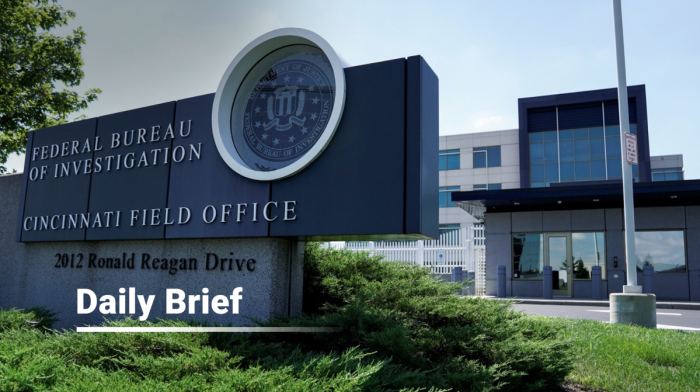
Here's your AnewZ Daily Brief for the 25th of November, covering the latest cyberattacks affecting the U.S. this week.
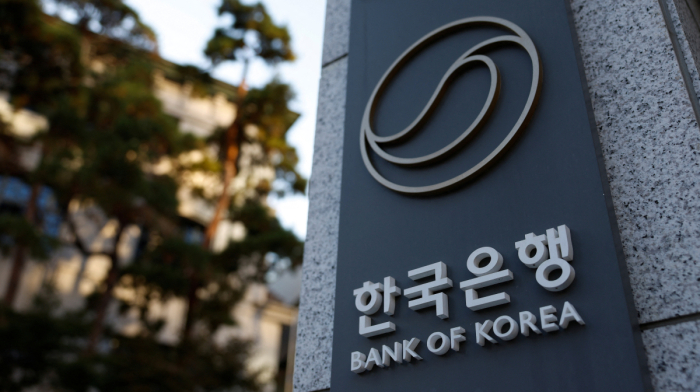
South Korea’s central bank raised its benchmark interest rate by 25 basis points to 3.25 per cent on Thursday (26 November), as persistent inflation and strong economic growth prompted further monetary tightening.
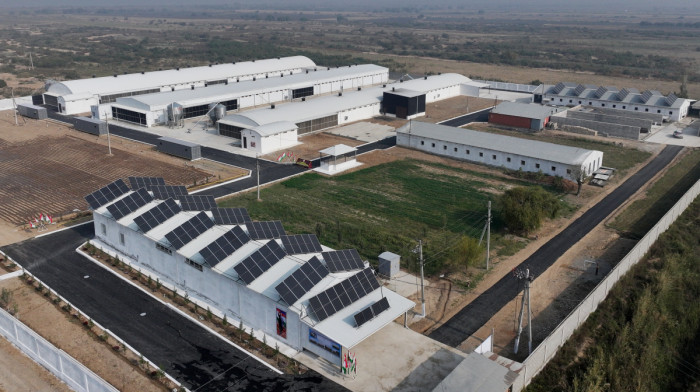
Tajikistan's industrial economy is undergoing a shift. Manufacturing is driving expansion while mining is losing ground, revealing a changing production landscape beneath the country's double-digit industrial growth.
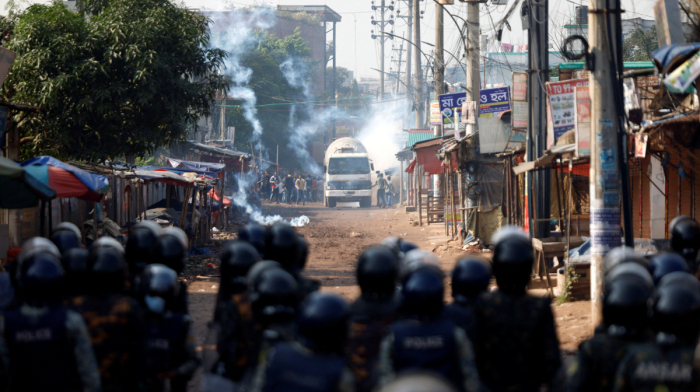
Bangladesh's garment workers have secured a 36 per cent increase in the minimum monthly wage after weeks of protests that shut factories, blocked highways and disrupted global fashion supply chains.
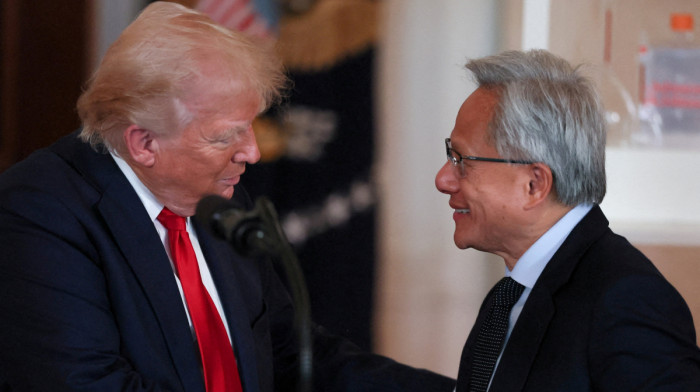
U.S. President Donald Trump said a presidential pardon for Nvidia chief executive Jensen Huang was 'always an option', while expressing confidence in the technology executive ahead of his scheduled appearances before Congress.
Nvidia shares surged 31.48 per cent on Monday, 23 November, after the chipmaker reinstated Jensen Huang as chief executive, adding more than $900 billion to its market value, and triggering a global rally in artificial intelligence (AI) stocks.
You can download the AnewZ application from Play Store and the App Store.
What is your opinion on this topic?
Leave the first comment