With 1.125 billion internet users, AI is becoming everyday tech in China
China’s internet user base has climbed to about 1.125 billion people, highlighting the country’s vast digital reach and creating fertile ground fo...
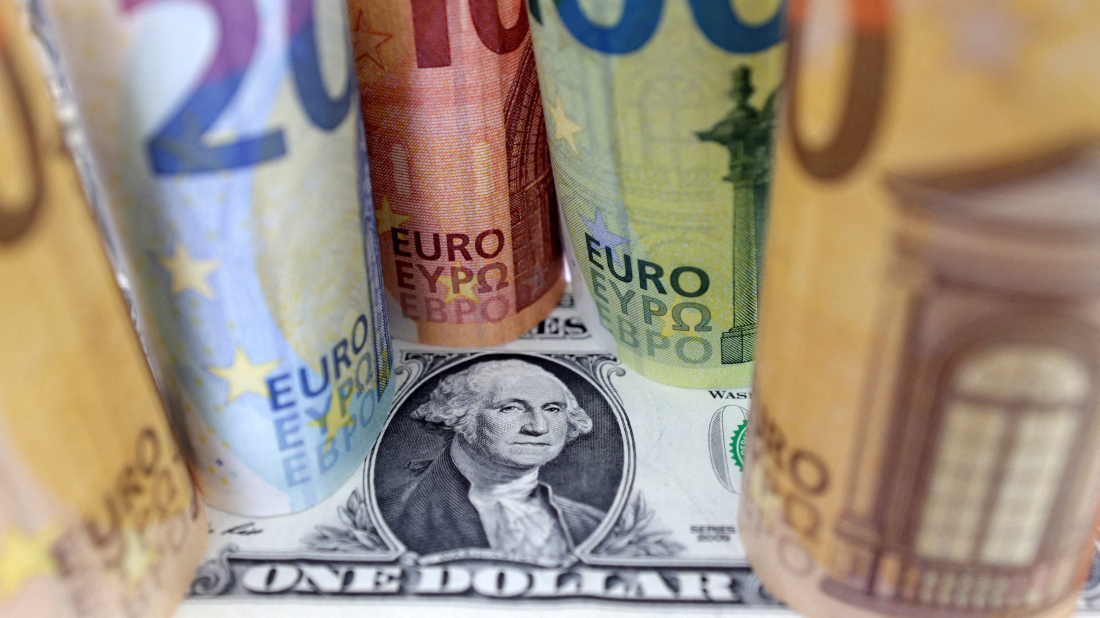
The euro surged to its highest level in nearly four years against the U.S. dollar, as global investors turned to safe-haven assets amid growing geopolitical tensions and uncertainty surrounding the U.S.-China trade deal.
Market sentiment shifted sharply on Thursday as geopolitical tensions and fragile trade negotiations drove investors toward safer currencies. The dollar weakened after the U.S. president announced plans to send letters to trade partners outlining new tariff rates, with the 90-day pause on “reciprocal” levies nearing its end next month.
This retreat of the dollar helped the euro climb to $1.1589 — its highest level since late 2021 — supported not only by rate expectations but also growing investor confidence in the eurozone’s economic stability. Safe-haven currencies also gained ground, with the Swiss franc and Japanese yen rising 0.8% and 0.6% respectively, after President Trump’s warnings about rising Middle East tensions and efforts to curb Iran’s nuclear ambitions fueled caution.
In Asia, the Chinese yuan edged up to 7.1818 per dollar, though its gains were capped by persistent U.S.-China friction.

Cuba’s Deputy Foreign Minister Carlos Fernández de Cossío has denied that Havana and Washington have entered formal negotiations, countering recent assertions by U.S. President Donald Trump, while saying the island is open to dialogue under certain conditions.
Rivers and reservoirs across Spain and Portugal were on the verge of overflowing on Wednesday as a new weather front pounded the Iberian peninsula, compounding damage from last week's Storm Kristin.
Morocco has evacuated more than 100,000 people from four provinces after heavy rainfall triggered flash floods across several northern regions, the Interior Ministry said on Wednesday.
Iran’s Islamic Revolutionary Guard Corps (IRGC) unveiled a new underground ballistic missile base on Wednesday (4 February), just over a day before the start of mediated nuclear negotiations with the United States, slated for Friday in Oman.
Ukrainian President Volodymyr Zelenskyy accused Russia on Tuesday (3 February) of exploiting a U.S.-backed energy ceasefire to stockpile weapons and launch large-scale drone and missile attacks on Ukraine ahead of peace talks.
Wall Street ended sharply lower on Tuesday as investors worried about artificial intelligence (AI) creating more competition for software makers, keeping them on edge ahead of quarterly reports from Alphabet and Amazon later this week.
U.S. stock markets finished mixed on Wednesday (28 January) as investors reacted calmly after the Federal Reserve left interest rates unchanged, a decision that had been widely expected and largely priced in.
The S&P 500 edged to a record closing high on Tuesday, marking its fifth consecutive day of gains, as strong advances in technology stocks offset a sharp selloff in healthcare shares and a mixed batch of corporate earnings.
Chevron is in talks with Iraq’s oil ministry over potential changes to the commercial framework governing the West Qurna 2 oilfield, one of the world’s largest producing assets, after Baghdad nationalised the field earlier this month following U.S. sanctions imposed on Russia’s Lukoil.
Argentina's economic activity shrunk 0.3% in November compared with the same month last year, marking the first monthly contraction of 2025, data from Argentina's national statistics agency showed on Wednesday.
You can download the AnewZ application from Play Store and the App Store.
What is your opinion on this topic?
Leave the first comment