bp, SOCAR and TPAO today signed several agreements enabling TPAO to join the production sharing agreement (PSA) for the Shafag-Asiman offshore block in the Azerbaijan sector of the Caspian Sea.
The official signing of the agreements took place today on the sidelines of Baku Energy Week.
The deal is expected to be completed by the end of the third quarter of 2025. Once finalized, TPAO will own a total 30% participating interest in the PSA—15% transferred from bp and 15% from SOCAR. Currently, bp and SOCAR each hold a 50% participating interest in the PSA.
bp will remain the operator of the PSA during the exploration period.
“We are pleased to welcome TPAO into the Shafag-Asiman partnership. This strategic collaboration underscores the importance of regional partnerships in advancing the evaluation and potential development of Azerbaijan’s offshore resources. Together with bp and TPAO, we aim to accelerate the appraisal process, ultimately enhancing energy security and bringing added value to all stakeholders involved,” - stated Rovshan Najaf, president of SOCAR.
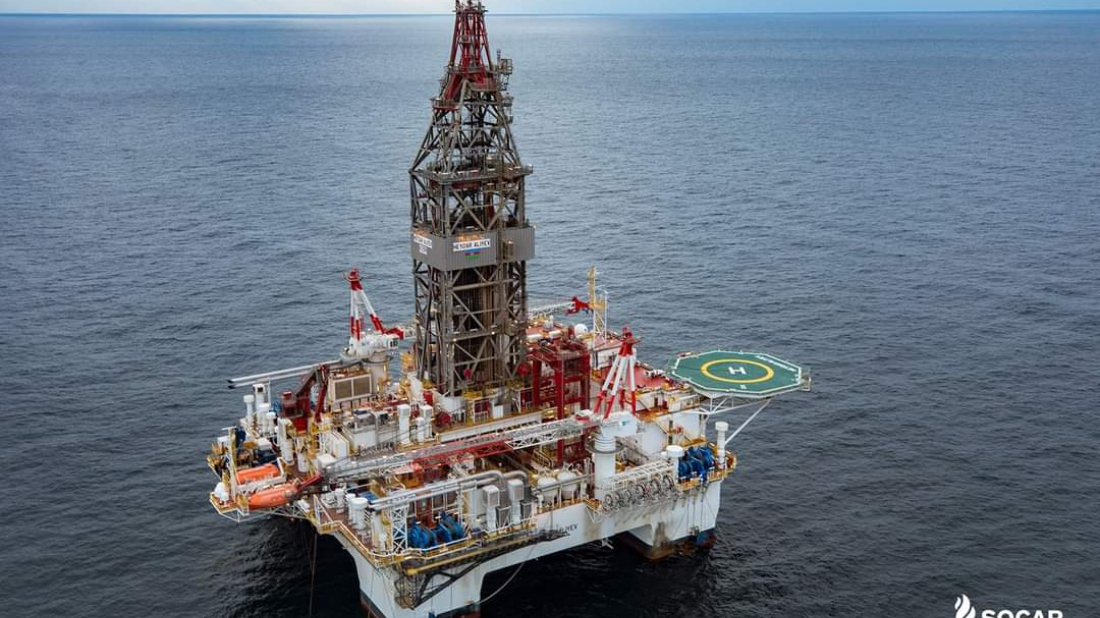
The block lies some 125 kilometres to the south-east of Baku and is located in water depths of 650-800 metres. The block is 60km from Shah Deniz and 145km from the Sangachal terminal.
The deal aims to accelerate further evaluation of the block to help identify the most suitable option to progress the project.
"To that end, additional evaluation activities will be carried out, including the drilling of a well into the Lower Surakhany reservoir. To allow for these activities, the exploration period under the PSA will be extended,"- said bp in its statement
Gary Jones, bp’s regional president for Azerbaijan, Georgia, and Türkiye, said this collaboration would bring additional technical and financial capabilities to accelerate exploration and appraisal activities on this structure.
"By joining the Shafag-Asiman partnership alongside SOCAR and bp, Türkiye Petrolleri reaffirms its commitment to building a secure, diversified and sustainable energy future for our nations and beyond. This collaboration brings together SOCAR’s deep local expertise, bp’s advanced technology, and TPAO’s offshore experience. Together, we aim to unlock the full potential of this promising structure in the Caspian Sea," - stated Ahmet Türkoğlu, chairman and CEO of TPAO.
He added that this partnership will create high-value employment and reinforce the Southern Gas Corridor—contributing to regional stability, energy security, and long-term economic growth.
Exploration activities in the block carried out to date include the acquisition, processing, and interpretation of a 3D seismic survey and the drilling of one exploration well (SAX01), completed in 2021. The SAX01 well was drilled to the base of the Fasila reservoir, reaching a depth of 7,189 metres, and confirmed the presence of gas condensate resources in the penetrated reservoirs. The well was then suspended to allow for further evaluation and planning of subsequent activities.












What is your opinion on this topic?
Leave the first comment