live Saudi-led coalition intercepts and destroys drone in eastern Saudi Arabia
The Saudi-led coalition said early Thursday that it intercepted and destroyed a drone over Saudi Arabia’s...
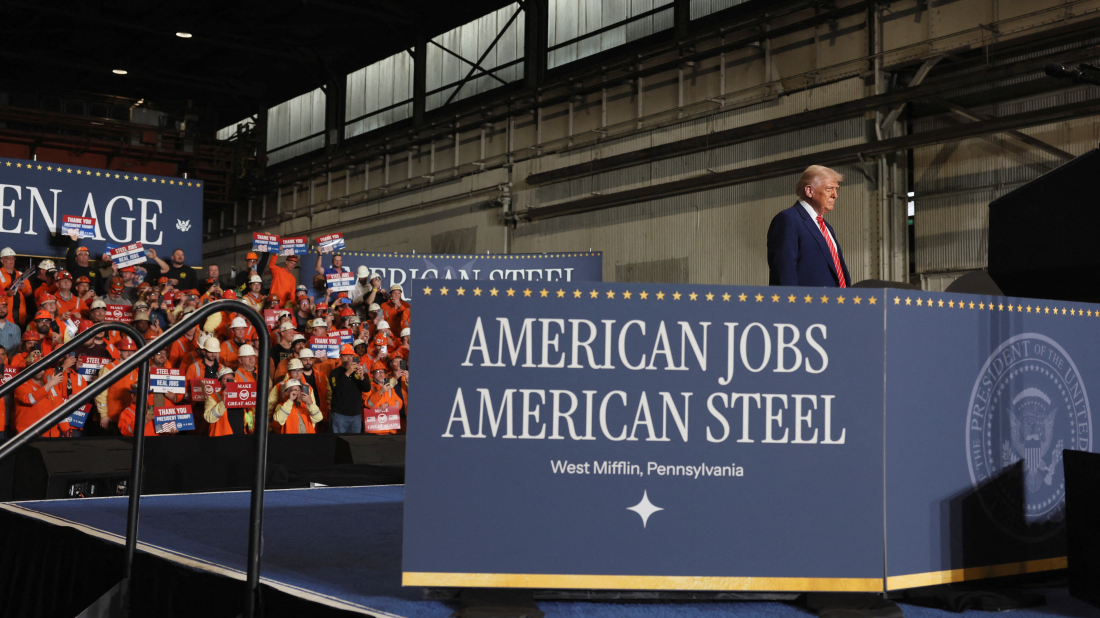
President Donald Trump announced that he will increase steel tariffs from 25% to 50%, a move that could push up costs for industries relying on steel, including housing and auto manufacturing.
Speaking at the U.S. Steel Mon Valley Works–Irvin Plant in West Mifflin, Pennsylvania, Trump said the move aims to better protect American steel producers.
“Today, I have a major announcement,” he said. “We’re doubling the tariffs on steel to 50%, which will secure the US steel industry. Nobody will be able to get around that.”
He explained the higher tariff will close loopholes that allowed foreign competitors to bypass the previous 25% tariff. “At 25%, they could get over the fence. At 50%, they can no longer get over,” he added, praising the steel sector’s investors and workers.
“I said the tariff is the most beautiful word in the dictionary.”
Trump made the announcement while highlighting new investments from Japan’s Nippon Steel. He spoke about job losses in Pittsburgh’s iron and steel mills and how the US had relied on China for tanks, boats, and ships.
“A strong steel industry is not just about dignity, prosperity, or pride,” he said. “Above all, it’s a matter of national security.” He added that the higher tariffs will help protect US steel jobs and strengthen the country’s defense.
Since Trump took office, steel prices have already risen about 16%, according to government data on producer prices. This tariff hike is expected to put further pressure on steel-related sectors.
Onstage with current and former Steelers players, Trump received a personalized Steelers jersey and joked about the team’s quarterback situation, sparking cheers from the crowd.
He praised Nippon Steel’s $14.9 billion bid to buy U.S. Steel — a deal initially blocked by President Biden on national security grounds but now backed locally. Trump assured workers there would be no layoffs, all plants would stay open, and every steelworker would get a $5,000 bonus.
“Blast furnaces will run at full capacity for at least 10 years,” he said, promising stability and strength for the steel industry and its workers.
The president wrapped up his speech by saluting steelworkers for their vital role in building America’s military and cities. “With patriots like you, we’ll produce our own metal, unleash our own energy, and secure our future,” he promised.

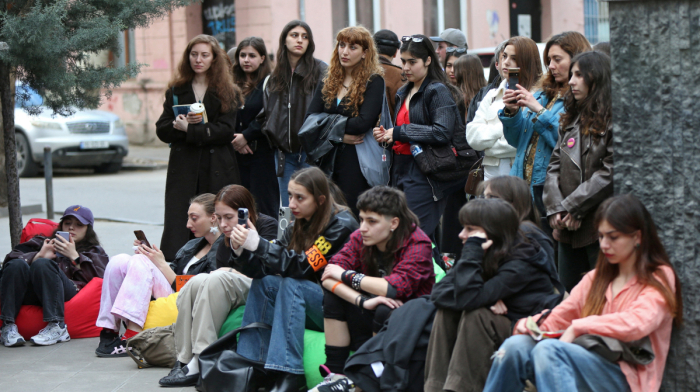
Thousands of young Georgians leave the country each year in search of better economic opportunities, with many moving west. As questions grow over Georgia’s European path, AnewZ spoke to people who have emigrated about what it would take for them to return.
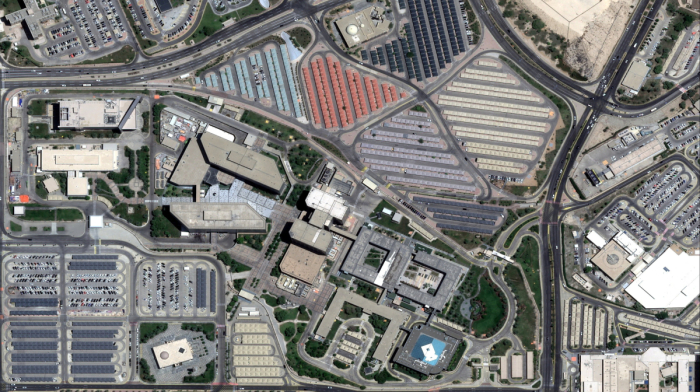
Yemen’s Houthis have claimed responsibility for the recent drone and missile strikes on Saudi Aramco facilities in Dhahran and Riyadh and at King Khalid International Airport in Saudi Arabia, vowing to carry out more attacks in the coming days.
The Saudi-led coalition in Yemen said late Monday that it intercepted and destroyed two ballistic missiles launched by the Houthi group toward Khamis Mushait in southwestern Saudi Arabia.
Ukrainian President Volodymyr Zelenskyy says Russia hit at least six energy targets in deadly strikes across Ukraine, showing Moscow is unwilling to accept the energy ceasefire announced by U.S. President Donald Trump.
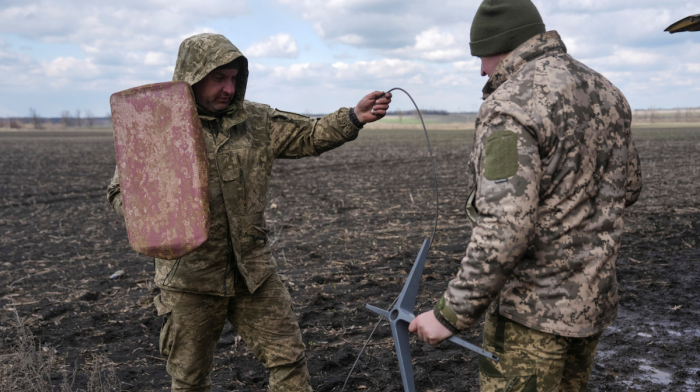
Ukraine's soldiers have had their access to Starlink satellite internet restricted. Kyiv's troops use the terminals, made by Elon Musk's SpaceX, to pilot drones. A source in Ukraine's Defence Ministry said the restrictions would make it harder for Kyiv's army to down Russian drones.
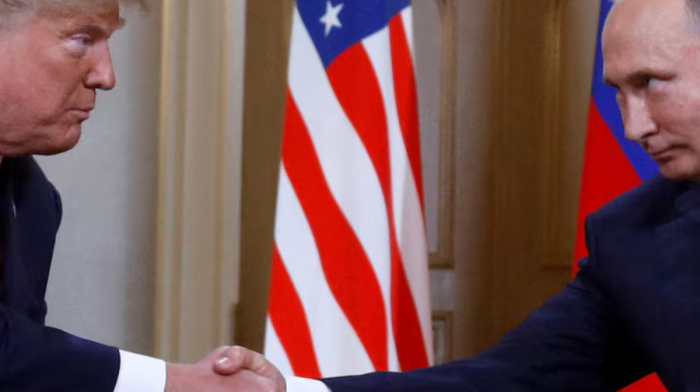
U.S. President Donald Trump has lifted sanctions on Russian diesel exports and announced a Russia-Ukraine energy ceasefire aimed at easing fuel prices ahead of November’s midterm elections. But can Moscow deliver and will the move will bring meaningful relief to markets?
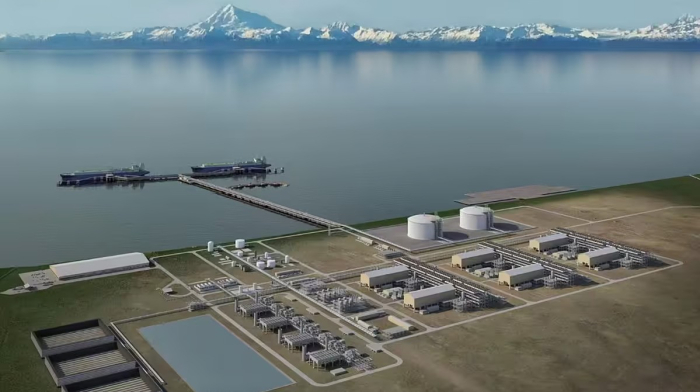
Taiwan plans to buy 30 per cent of Alaska LNG's annual output and invest up to $4.4 billion in the project, but binding contracts and financing remain unresolved as the U.S. pushes to expand energy exports to Asia.
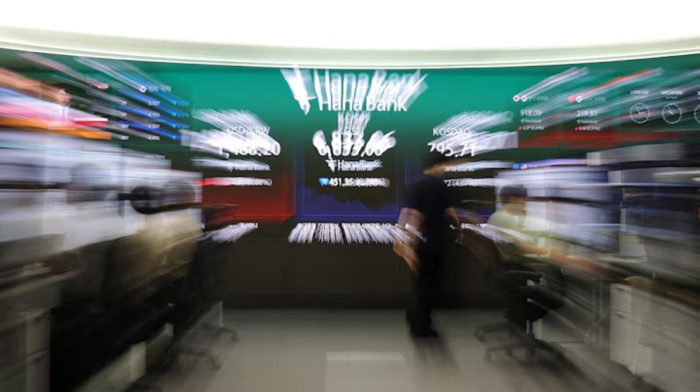
Asian stocks plunged to their lowest level in more than two months on Tuesday as advances by Chinese chipmakers rattled investor confidence in the artificial intelligence boom, despite soaring global semiconductor sales.
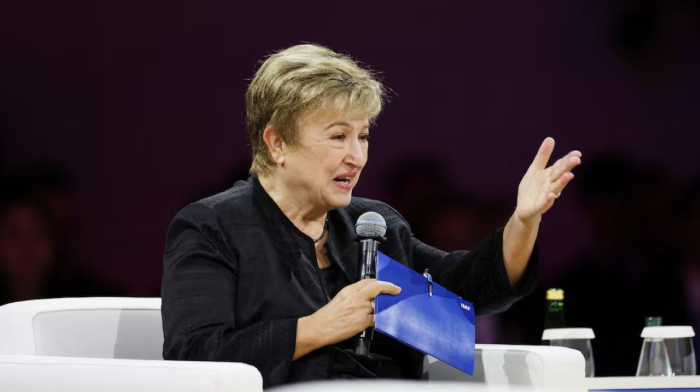
Artificial intelligence investment is helping sustain global growth at around 3 per cent, with Asia poised to reap major benefits. But soaring energy costs, unequal investment and growing pressure on young workers threaten to leave some economies behind.
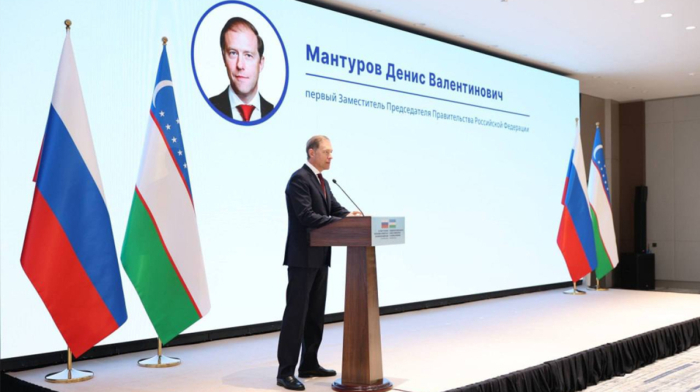
Uzbekistan and Russia have a portfolio of more than 200 joint projects worth almost $6 billion, as the two countries continue to expand regional and business ties. The projects were discussed during the third meeting of the Council of Regions of Russia and Uzbekistan, held in Fergana, Uzbekistan.
You can download the AnewZ application from Play Store and the App Store.
What is your opinion on this topic?
Leave the first comment