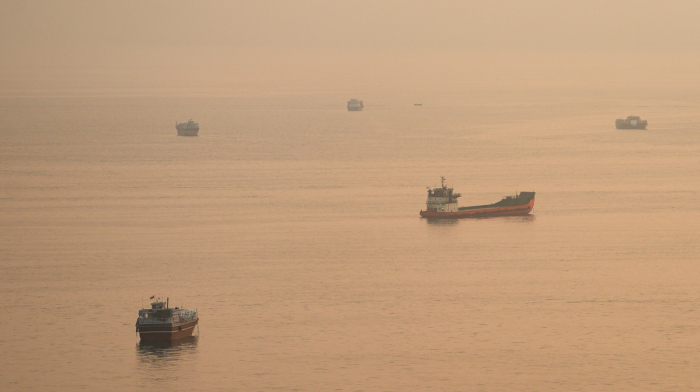
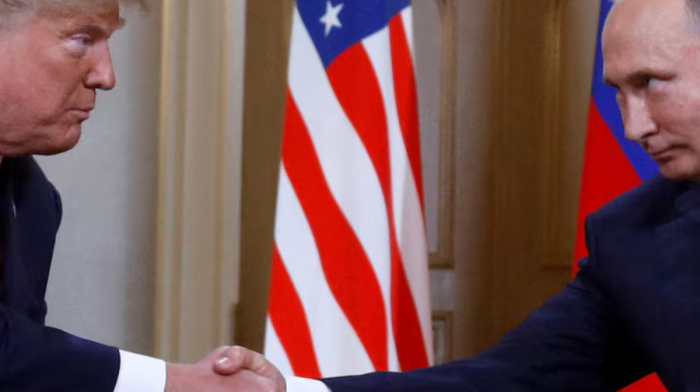
Trump rejects Iran's response to U.S. peace proposal, Qatar condemns hit on cargo ship, oil prices jump amid stalemate
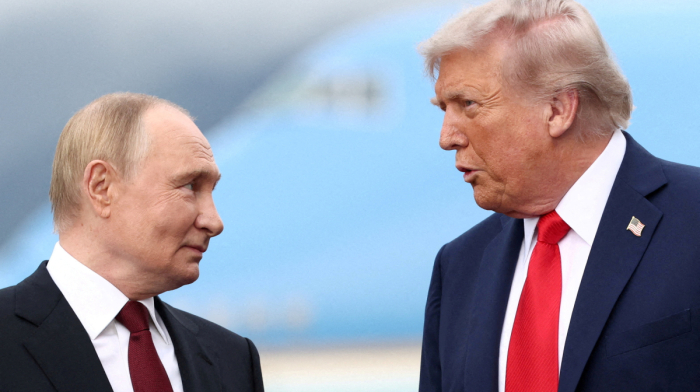
President Donald Trump's swift rejection of Iran's response to a U.S. peace proposal sent oil...
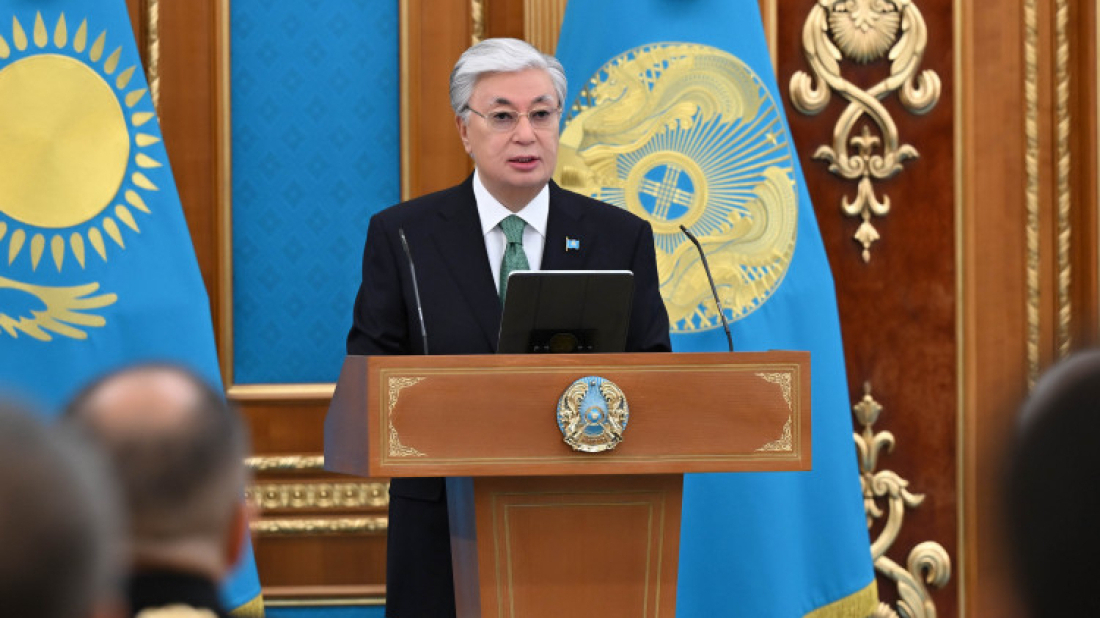
Kazakh President Kassym-Jomart Tokayev held a meeting to address the worsening global market situation amid the collapse of energy and commodity prices on global markets due to tariff conflicts, the presidential press service said.
At the meeting, attended by the Prime Minister Olzhas Bektenov, the Governor of the National Bank Timur Suleimenov, and other senior officials, President Tokayev instructed to accelerate drafting the government's plan of action to address the financial and economic crisis, with aim to prevent economic slowdown and a decline in investment flows.
"The President emphasized that, despite the challenging economic conditions, the priorities he outlined for the country's development—such as major infrastructure projects, digitalization, the advancement of artificial intelligence, and the modernization of agriculture and the transport and logistics sectors—will still be implemented," - president's press service reported.
President Tokayev is expected to convene a special meeting on this matter next week.
On Wednesday, Serik Zhumangarin, Deputy Prime Minister and Minister of National Economy, said that Kazakhstan’s government was assessing various scenarios in response to potential fluctuations in oil prices.
““We have three development scenarios. Currently, we are approaching the pessimistic scenario with oil prices at $60 per barrel. This week, we began calculations for scenarios involving prices dropping to $55 and $50 per barrel," - said Zhumangarin and added that the government had "clear understanding on what needs to be cut and what should remain unaffected."
The Deputy Prime Minister also highlighted the importance of infrastructure development and job creation during a crisis.
He suggested that the state may once again turn to the National Fund, stating, “the National Fund was created for such situations, particularly during times of crisis."
Brent oil prices reached a four-year low on Wednesday, falling below $60 per barrel, after standing at approximately $75 at the beginning of April.
The sharp decline in oil prices, attributed to tensions surrounding U.S. tariff decisions, resulted in a day-on-day drop of around 2.3% on Wednesday and a 20% decrease since early April.

British paratroopers and military medics have been deployed to Tristan da Cunha after a suspected hantavirus case was confirmed, as first evacuation flights carrying passengers from the stricken MV Hondius cruise ship left Tenerife for Madrid and Paris.
Indonesian rescue teams have located two Singaporeans who went missing after Mount Dukono erupted on Friday (8 May) on the island of Halmahera, though authorities say it remains unclear whether they are alive.
A memorandum of understanding has been signed between Baku State University (BSU) and the international television channel AnewZ, marking a new stage of cooperation in journalism education and media development.
British Prime Minister Keir Starmer vowed to carry on as leader on Friday (8 May) after his ruling Labour Party suffered heavy losses in local elections. Labour lost hundreds of councillors across the country, as some figures in the party said he should stand down.
China’s leading chipmakers are funnelling unprecedented sums into research and development as Beijing accelerates efforts to reduce reliance on foreign technology amid intensifying U.S. export restrictions.
China’s exports grew faster than expected in April, as overseas buyers moved quickly to secure supplies amid fears that the conflict involving Iran could drive up global energy and transport costs.
Asian stocks surged to record highs on 7 May as investors priced in growing hopes of a potential Middle East peace deal, while oil prices eased and the U.S. dollar weakened amid shifting global risk sentiment.
Stocks around the world climbed to fresh record highs on Wednesday (6 May), while oil prices fell sharply, after reports suggested the United States and Iran were nearing an agreement to end conflict.
U.S. President Donald Trump has said he will raise tariffs on cars and trucks imported from the European Union to 25% next week, up from the 15% level agreed last year, accusing the bloc of failing to comply with its trade commitments.
The decision by the United Arab Emirates to leave OPEC+ on 1 May has put renewed focus on one of the most influential groups in global energy - and how its decisions can shape oil prices worldwide.
You can download the AnewZ application from Play Store and the App Store.
What is your opinion on this topic?
Leave the first comment