Burnham faces early climate test over North Sea oil and gas projects
UK Prime Minister Andy Burnham faces an early test of his climate commitments as his government weighs whether to approve two major North Sea oil and ...
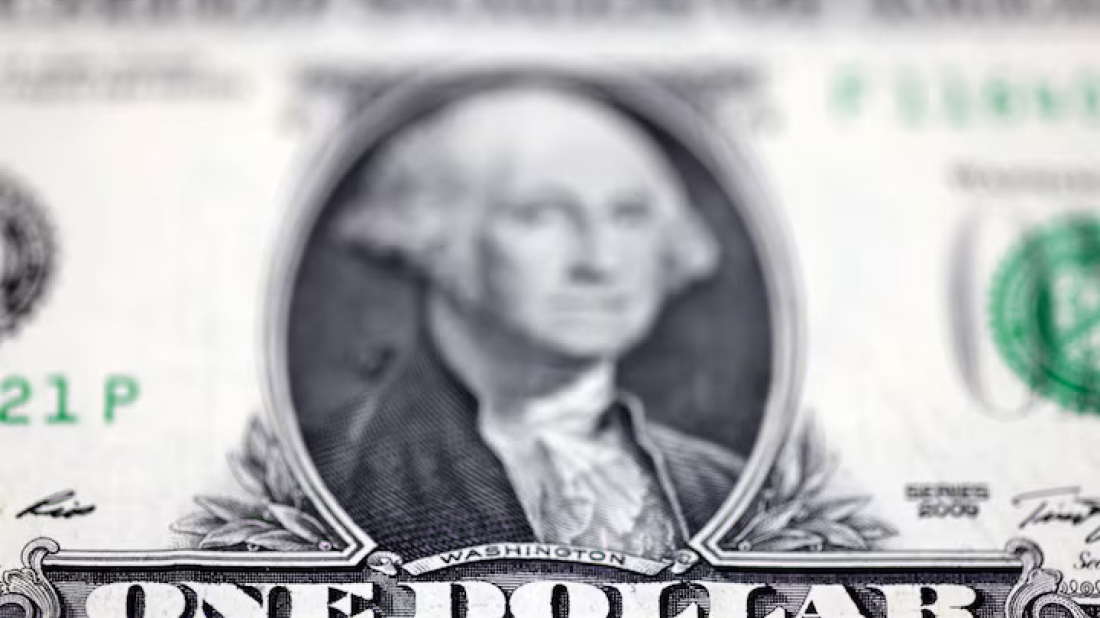
The US dollar slumped as President Trump’s tariff announcement sent shockwaves through global markets. With a 10% baseline tariff on imports, fears of a global economic slowdown intensified. Investors sought safe havens as stock markets and currencies faltered.
The US dollar slid while the euro firmed after President Donald Trump announced harsh new tariffs on imports, sending shockwaves through global markets. The 10% baseline tariff, with higher levies on key trading partners, is set to take effect on April 9, impacting around 60 countries.
The move escalates trade tensions, fuelling fears of a global economic slowdown. Investors scrambled for safe-haven assets, boosting the yen and Swiss franc, while US Treasury yields plunged. Stock markets also suffered as concerns over inflation and retaliatory measures grew.
European Commission President Ursula von der Leyen warned of potential countermeasures if diplomatic talks with Washington fail. Meanwhile, the euro strengthened, while the British pound surged to a five-month high. In contrast, Asian currencies weakened, with China’s yuan hitting a two-month low.
Market analysts caution that prolonged trade disruptions could weigh heavily on the US economy, increasing the likelihood of recession. However, some experts suggest Trump’s aggressive stance may be a negotiation tactic rather than a long-term economic strategy. As global markets remain on edge, investors await further developments that could determine the course of the unfolding trade conflict.

One hundred years after the First World War and more than eighty years after the devastation of the Second World War gave rise to the United Nations, humanity once again finds itself living in an age of permanent crisis.
For months, efforts to secure the Red Sea have focused on what is happening in the water. Naval deployments have increased, governments have expanded maritime cooperation and shipping companies have adapted to persistent security threats.
Flights arriving at Catania airport in eastern Sicily were suspended after volcanic ash from a new eruption of Mount Etna drifted into the airspace around the airport, disrupting operations at one of Italy’s busiest aviation hubs.
Greenland has issued a “strong warning” to a U.S. oil company linked to President Donald Trump after drilling equipment was brought ashore without the required government approvals, according to British media.
Iran said it was nearing a final pact with Oman defining new shipping lanes between them through the Strait of Hormuz but repeated that the U.S. must meet other conditions.
U.S. data analytics firm Palantir Technologies has reported a 93 per cent year-on-year jump in second-quarter revenue, even as the company faces continued criticism over its work with Israel's military and allegations linking its technology to the war in Gaza.a.
Rising trade across the Caspian Sea is strengthening Georgia’s role as a logistics hub and could help the country develop higher-value industries, according to the Asian Development Bank (ADB).
Ford raised its full-year earnings forecast after reporting stronger-than-expected second-quarter adjusted profit, as resilient demand for its vehicles and operational improvements helped offset tariff-related costs.
SK Hynix reported record quarterly profit on Wednesday, but its shares slumped 10 per cent after the South Korean chipmaker fell short of investor expectations built around the artificial intelligence (AI) boom.
Oil prices have fallen more than six per cent as a pause in U.S.-Iran hostilities eased fears of wider supply disruption around the Gulf.
You can download the AnewZ application from Play Store and the App Store.
What is your opinion on this topic?
Leave the first comment