live Trump says Iran 'no longer a threat' after 32 days of war - Middle East conflict on 2 April
Fears of wider escalation grow despite President Donald Trump saying U.S. strikes on Iran could end within weeks. Meanwhile ...
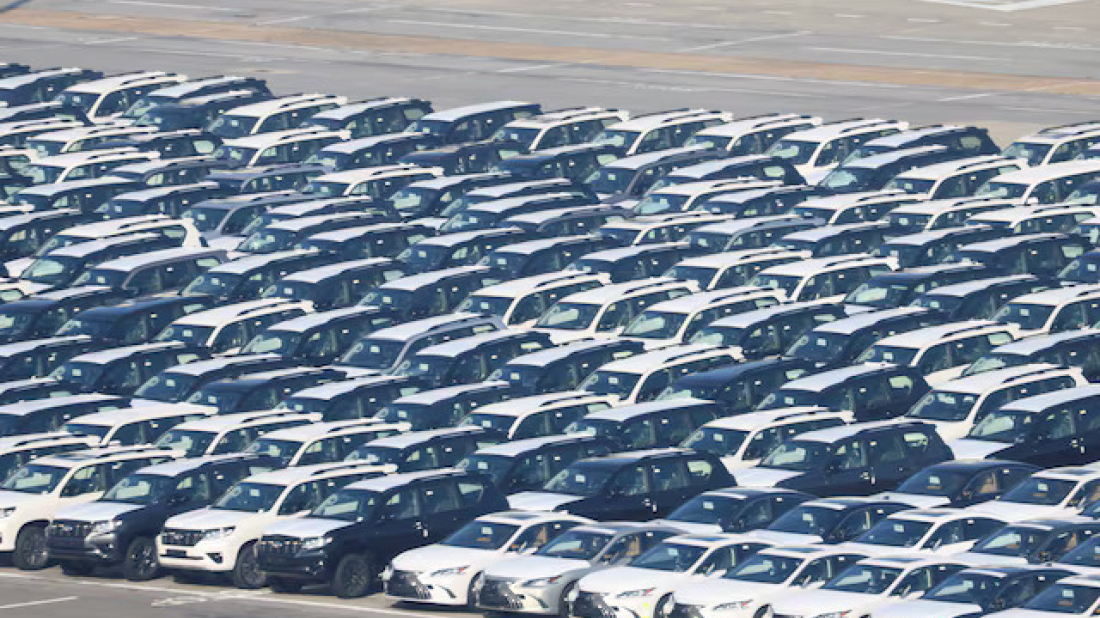
Shares in European carmakers and automotive suppliers fell sharply on Tuesday after the U.S. implemented a 25% tariff on imports from Mexico, a key production hub for the automotive sector supplying the American market.
The STOXX Europe 600 Automobiles and Parts index dropped 3.8%, reflecting widespread concern among companies such as Volkswagen, Stellantis, and BMW, all of which operate manufacturing sites in Mexico.
According to data from Mexico's automotive industry association, Stellantis and the Volkswagen Group are among the largest European exporters of light vehicles to North America from Mexico. German supplier Continental, which provided a cautious outlook for 2025, indicated that it would review the tariff’s impact on its facilities in both Mexico and Canada before making further decisions. Continental’s shares were down 8.4% following the announcement.
The tariffs have been particularly challenging for Germany's export-oriented carmakers, many of which have built up capacity in Mexico over the years to complement their major production hubs in the United States. German Economy Minister Robert Habeck commented on the measures, stating, "The EU will not be pushed around. If President Trump imposes the announced tariffs on EU products, we will react with unity and self-confidence."
As European policymakers and industry leaders assess the economic fallout, the new tariffs have intensified calls for open trade policies that support Europe's industrial base. The developments underscore the growing tensions in transatlantic trade relations and highlight the potential long-term implications for global automotive supply chains.

The Iran-U.S.-Israel conflict is intensifying, with fresh strikes near Tehran, European calls for restraint, and Iran threatening to target U.S. firms in the region, raising fears of a broader escalation across the Middle East.
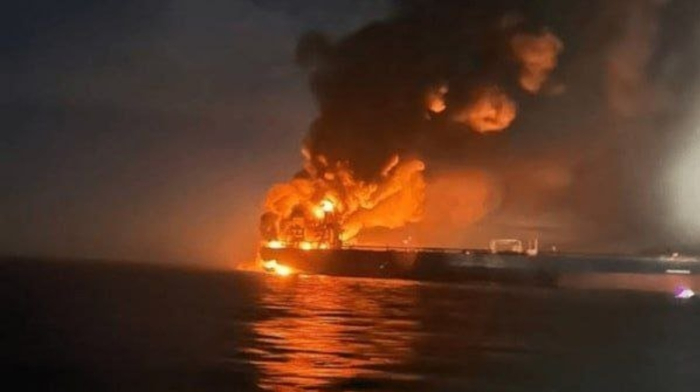
There are fears of an oil spill after a drone strike hit a Kuwaiti oil tanker near Dubai on Tuesday, while U.S.-Israeli strikes in Iran reportedly killed at least two people. A loud explosion was heard in Beirut in southern Lebanon early Wednesday, as oil prices climbed above $100 a barrel.
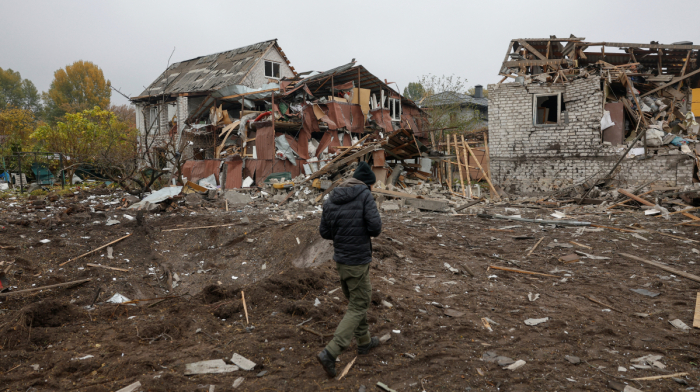
Fears of wider escalation grow despite President Donald Trump saying U.S. strikes on Iran could end within weeks. Meanwhile missile attacks, tanker incidents and rising casualties across Israel, Lebanon and the Gulf heighten risks to regional stability and energy routes.
Russian-flagged tanker carrying approximately 700,000 barrels of crude oil docked at Cuba's Matanzas oil terminal on Tuesday, shipping data confirmed, marking a vital and controversial delivery to an island paralysed by severe energy shortages and a suffocating U.S. blockade.
A Russian military An-26 aircraft has crashed in Crimea, killing all 30 people on board, Russia’s Defence Ministry has confirmed.
The U.S. national average retail price of petrol rose above $4 a gallon for the first time in over three years on Monday (30 March), according to GasBuddy data, as the U.S.–Israeli war with Iran continued to roil global energy markets.
Japan and Indonesia will deepen coordination on energy security, Tokyo said, as the U.S.-Israeli war on Iran disrupts vital oil and gas flows to Asia.
China's three largest state-owned airlines have issued warnings regarding their financial outlook for the current year, acknowledging that the eruption of war involving Iran has driven jet fuel prices to unsustainable highs.
Stock markets across Asia fell on Monday as escalating conflict involving Iran drove oil prices sharply higher, fuelling fears of inflation and a potential global recession, with investors reacting to disruption risks in the Strait of Hormuz and prolonged hostilities.
World Trade Organization (WTO) talks broke up with no agreement on Monday on a plan for reform or even on extending a moratorium on e-commerce, piling more pressure on the trade body that finds itself increasingly sidelined by economic nationalism.
You can download the AnewZ application from Play Store and the App Store.
What is your opinion on this topic?
Leave the first comment