Iran says U.S. demands hinder response as Strait of Hormuz tensions escalate
Iran’s Foreign Ministry has said it is difficult to assess the U.S. response to its proposal, citing Washington’s history of “exc...
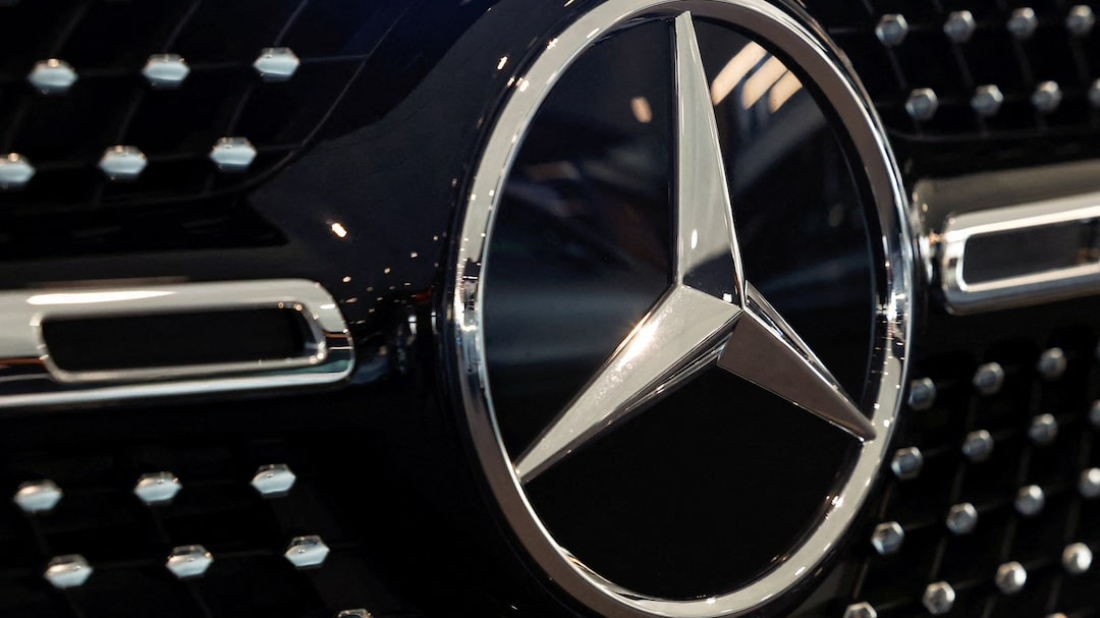
Berlin, February 20, 2025 – Mercedes-Benz has launched a fresh cost-cutting initiative aimed at reviving sales and margins, as the German carmaker forecasts a significant drop in earnings in 2025.
The new plan comes on the heels of a 40% slump in the car division’s earnings in 2024, driven by weak sales in key Chinese and German markets and subdued demand in Europe.
Chief Executive Ola Kaellenius acknowledged that the company faces “an increasingly uncertain world,” prompting a reassessment of previous growth targets. While the firm had previously set an adjusted return on sales of up to 14% in favorable conditions - and no less than 8% during tougher times - current projections for the car division indicate a return of only 6-8% this year.
Mercedes-Benz’s cost-cutting measures include plans to reduce production costs by 10% by 2027. This new target builds on an ongoing initiative launched in 2020, which aimed for a 20% reduction in costs between 2019 and 2025-a goal that has already seen a 15-16% reduction. Further details are expected to be outlined later at the company’s upcoming earnings conference.
The company’s cautious outlook reflects broader challenges in Europe’s automotive sector, where manufacturers contend with tightening carbon emissions regulations, rising trade tensions with the United States, and intensified competition from Chinese electric vehicle startups. While competitors such as Volkswagen and various suppliers have announced deep cost cuts, some rivals like Renault have reported record operating profits in 2024, bolstered by lower costs and new product launches.
Mercedes-Benz also projected that unit sales will fall below the 1.98 million vehicles sold in 2024 - a figure that may disappoint investors and labor representatives who had aimed for a minimum target of 2 million units to fully utilize production capacity.
“To ensure the company's future competitiveness in an uncertain world, we are taking steps to make the company faster, leaner, and stronger,” Kaellenius said in a statement.
In addition to the cost-cutting measures, the company’s board will propose a reduced dividend of 4.30 euros per share, down from 5.30 euros in 2023.
As the automotive industry navigates a period of volatility, Mercedes-Benz’s strategy underscores the balancing act between cost management and maintaining market share amid shifting global economic conditions.

A 77-year-old man and a 63-year-old woman were killed on Monday (4 May), after a man drove a car into a crowd on a pedestrianised street in the the eastern German city of Leipzig, authorities said.
Iran warned Armerican forces on Monday (4 May) not to enter the Strait of Hormuz, after the U.S. said it had launched a mission to try and reopen the sea passage. Meanwhile, Iran's Foreign Minister said there was no military solution to the Middle East conflict.
Medics are working to evacuate two people with symptoms of the deadly respiratory illness, hantavirus, from a luxury cruise ship being held off West Africa, after three people died and several others fell ill, officials have said.
U.S. Secretary of State Marco Rubio is expected to travel to the Vatican and Italy this week for a series of meetings, according to Italian media reports, in a visit that comes amid strained relations between Washington and parts of Europe and heightened tensions involving Pope Leo XIV.
Tensions are escalating in the Gulf after new attacks linked to maritime security in the Strait of Hormuz. U.S. forces say they struck Iranian fast boats at sea following hostile manoeuvres, after Iran was blamed for an earlier attack on a UAE oil facility.
U.S. President Donald Trump has said he will raise tariffs on cars and trucks imported from the European Union to 25% next week, up from the 15% level agreed last year, accusing the bloc of failing to comply with its trade commitments.
The decision by the United Arab Emirates to leave OPEC+ on 1 May has put renewed focus on one of the most influential groups in global energy - and how its decisions can shape oil prices worldwide.
The United Arab Emirates has said it's quitting OPEC from 1 May, dealing a major blow to the oil producers’ group and its de facto leader, Saudi Arabia, amid disruption caused by the Iran war.
As the Iran war disrupts global flows of oil and gas and energy prices skyrocket, the Drin River, which descends through the mountains of northern Albania, is acting as a kind of shield.
China has ordered Meta to unwind its more than $2 billion acquisition of artificial intelligence start-up Manus, marking a major escalation in Beijing’s scrutiny of foreign investment in sensitive technology sectors. The order was issued on Monday by the National Development and Reform Commission.
You can download the AnewZ application from Play Store and the App Store.
What is your opinion on this topic?
Leave the first comment