




15:42 CET
Russia-Ukraine
live Russian strikes kill three, damage dozens of power facilities
Russian strikes killed ...
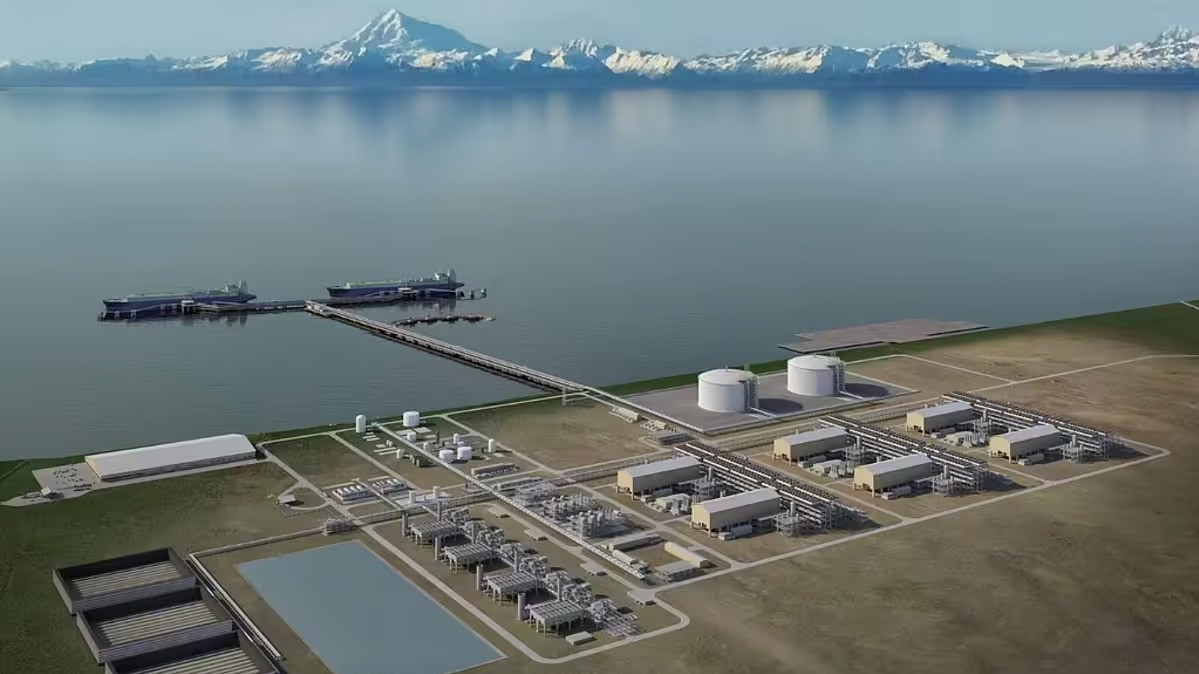


Taiwan plans to buy 30 per cent of Alaska LNG's annual output and invest up to $4.4 billion in the project, but binding contracts and financing remain unresolved as the U.S. pushes to expand energy exports to Asia.
Taiwan said on Wednesday that talks to buy liquefied natural gas (LNG) from Alaska had made significant progress, with its state-owned energy company planning to invest up to $4.4 billion and purchase six million tonnes annually.
The announcement followed U.S. President Donald Trump's remarks at a rally in Wasilla, Alaska, on Tuesday, where he said Taiwan had agreed to purchase 30 per cent of the project's planned output.
Taiwan's economy ministry said CPC Corp had been in talks with the developer for nearly 18 months. Under the proposed deal, the company would buy six million tonnes of LNG annually once production begins, in line with a letter of intent signed last year.
However, key details, including investment terms, ownership stakes and commercial contracts, remain unresolved.The ministry did not confirm whether a binding gas purchase agreement had been signed.
The proposed Alaska LNG project aims to carry natural gas from Alaska's North Slope along a roughly 1,300-kilometre pipeline to an export facility at Nikiski on the state's southern coast.
With an estimated price tag of $44.5 billion to $54.5 billion, the development is expected to produce 20 million tonnes of LNG annually.
Glenfarne Group holds a 75 per cent stake in the project, while the state of Alaska owns the remaining 25 per cent.
The Trump administration has championed Alaska LNG as a way to boost U.S. energy exports and deepen trade tieswith Asian partners.
The project has already secured preliminary supply commitments for around 13 million tonnes annually, with potential buyers including Asian companies and French energy giant TotalEnergies.
However, developers must secure buyers for a further three million tonnes and turn existing commitments into binding contracts before they can obtain financing.
South Korea has also been part of Washington's investment discussions. Trump previously claimed Seoul had agreed to invest in the project, but South Korean officials said no final commitment had been made.
Asia holds some of the world's largest natural gas reserves, particularly in Iran, Qatar and Turkmenistan. Yet major LNG consumers, including Taiwan, Japan and South Korea, rely heavily on imports, creating a potentially lucrative market for projects such as Alaska LNG.
The following charts compare global natural gas reserves, production and exports in 2024, based on data from OPEC's Annual Statistical Bulletin 2025.
The figures also reveal a sharp imbalance in the distribution of gas resources across Asia. Iran, Qatar and Turkmenistan hold the region's largest reserves, while several of its biggest energy consumers depend on supplies from abroad.
Despite renewed political support, the project faces major financial and engineering hurdles.
Its proposed pipeline would stretch approximately 1,300 kilometres across challenging terrain, driving up costs before gas even reaches the export terminal.
The pipeline alone is expected to cost between $13.2 billion and $16.9 billion, according to industry estimates.
Analysts have questioned whether Alaska LNG can compete with established U.S. Gulf Coast exporters or Canadian LNG projects supplying Asian markets, Reuters has previously reported.
Supporters, however, point to Alaska's location on the Pacific as a key competitive advantage.
LNG shipments from southern Alaska could travel directly to Asian markets, bypassing lengthy routes through the Panama Canal or around Africa and potentially cutting transport costs and delivery times.
Those savings, however, would have to outweigh the project's steep construction and development costs.
Developers are targeting a final investment decision on the pipeline in 2026 and the export facility in 2027, with the first LNG shipments expected in 2031.
Taiwan's economy ministry said deliveries could reach the island as early as 2032, provided construction stays on schedule.
Taiwan's proposed investment is part of wider efforts to diversify its energy supplies and strengthen economic ties with Washington.
In February, Taiwanese officials said they planned to raise purchases of U.S. natural gas to around one-third of the island's LNG imports in 2026.
The plans come amid growing pressure from Washington on its trading partners to reduce trade imbalances.
For Taiwan, a direct Pacific supply route could offer greater energy security as geopolitical tensions fuel concerns over disruptions to global energy markets.
Yet major obstacles remain, with the deal still dependent on final commercial agreements, financing and construction decisions.
Taiwan's interest has given Alaska LNG fresh momentum, but the project's future ultimately hinges on securing binding contracts and convincing investors that its high costs can be justified.

Russian strikes killed ...

Greek students braved heavy rain to pitch tents outside parliament in Athens on Tuesday, demanding affordable housing and more education funding as...

A former gang leader ...

The Saudi-led coalition in Yemen said late Monday that it intercepted and destroyed two ballistic missiles launched by the Houthi group toward Khamis Mushait in southwestern Saudi Arabia.

Yemen’s Houthis have claimed responsibility for the recent drone and missile strikes on Saudi Aramco facilities in Dhahran and Riyadh and at King Khalid International Airport in Saudi Arabia, vowing to carry out more attacks in the coming days.

Ukrainian President Volodymyr Zelenskyy says Russia hit at least six energy targets in deadly strikes across Ukraine, showing Moscow is unwilling to accept the energy ceasefire announced by U.S. President Donald Trump.
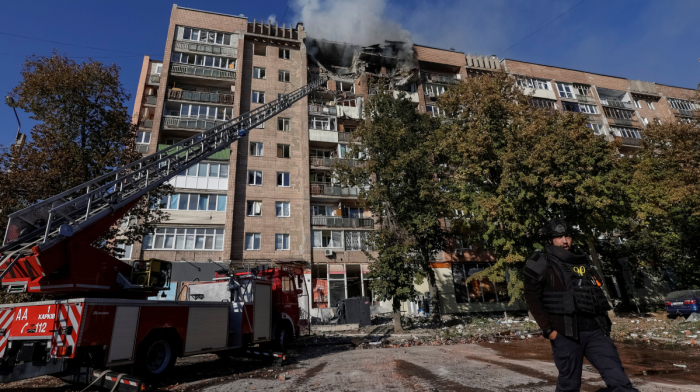
The Kremlin on Monday rejected a 60-day ceasefire idea proposed by Ukrainian President Volodymyr Zelenskyy to allow his country to hold presidential elections, saying it wanted an overall peace deal instead.

Thousands of young Georgians leave the country each year in search of better economic opportunities, with many moving west. As questions grow over Georgia’s European path, AnewZ spoke to people who have emigrated about what it would take for them to return.

Asian stocks plunged to their lowest level in more than two months on Tuesday as advances by Chinese chipmakers rattled investor confidence in the artificial intelligence boom, despite soaring global semiconductor sales.

Artificial intelligence investment is helping sustain global growth at around 3 per cent, with Asia poised to reap major benefits. But soaring energy costs, unequal investment and growing pressure on young workers threaten to leave some economies behind.
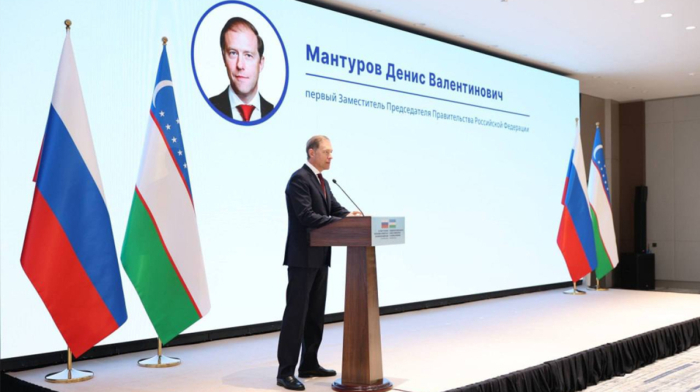
Uzbekistan and Russia have a portfolio of more than 200 joint projects worth almost $6 billion, as the two countries continue to expand regional and business ties. The projects were discussed during the third meeting of the Council of Regions of Russia and Uzbekistan, held in Fergana, Uzbekistan.

In the marshlands of Malluba in southern Azerbaijan, Kamil Mammadov follows a routine that has been passed down through generations. His family has worked with medicinal leeches for centuries, harvesting and breeding a species known as Hirudo orientalis, or the Caucasian medicinal leech.
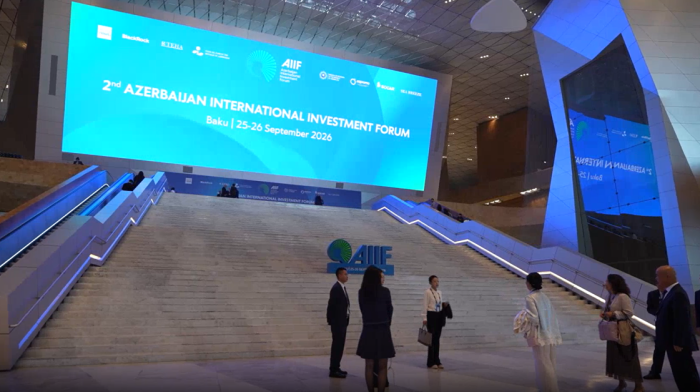
Baku is hosting the second Azerbaijan International Investment Forum (AIIF 2026) and it’s attracting more interest this year, Azerbaijan’s Deputy Prime Minister told AnewZ. “The agenda is very impressive. More guests, more interest,” he said.
You can download the AnewZ application from Play Store and the App Store.




What is your opinion on this topic?
Leave the first comment