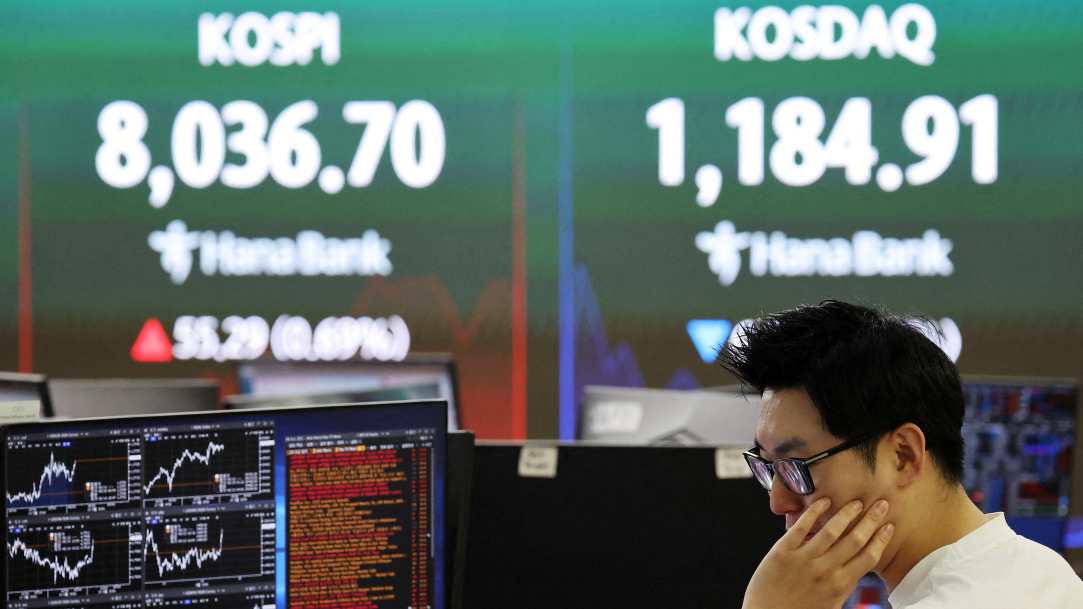
Global equity markets remained on track for one of their strongest quarterly performances in years on Tuesday, lifted by a powerful rally in artificial intelligence-linked stocks, improving investor sentiment and easing geopolitical tensions in the Middle East.
The Morgan Stanley Capital International (MSCI) All-World Index approached record highs after gaining nearly 14% during the second quarter, marking its best quarterly performance since 2020.
Markets in the U.S. and Asia were among the strongest performers, reflecting continued strength in technology shares and expectations of resilient economic growth.
The Nasdaq gained 20% during the quarter, while gains across global markets were largely driven by a rally in AI-related companies, particularly in the U.S. and Asia. The S&P 500 rose 14% over the same period.
China boosted by technology and manufacturing strength
Chinese mainland markets outperformed on Tuesday after economic data showed factory activity returning to growth in June.
The blue-chip CSI 300 Index rose 1.1%, while the Shanghai Composite gained 0.5%, supported by strength in semiconductor, communications and technology stocks. The STAR 50 Index jumped nearly 4%, while shares linked to 5G communications and chip manufacturing also posted solid gains.
Analysts attributed the gains to strong demand for semiconductors, computers and AI-related products. Robust export orders and efforts by manufacturers to bring forward shipments ahead of possible future U.S. tariffs helped offset broader weaknesses in the domestic economy.
However, the picture remained mixed. Hong Kong's Hang Seng Index fell 0.6% and ended the month down more than 9%, its steepest monthly decline since January 2024, reflecting continued weakness across some sectors.
Some technology companies also came under pressure. Memory chip producer GigaDevice Semiconductor fell sharply after warning of potential supply constraints from upstream foundry partners.
European shares enjoy strongest quarter since 2020
European markets continued their advance, with the STOXX 600 Index rising 0.6% and heading for its best quarterly performance in more than five years.
Technology stocks led gains in Europe, with companies including ASML, STMicroelectronics and Infineon benefiting from continued demand for AI infrastructure. Siemens Energy also advanced after reiterating strong demand trends during a pre-close earnings call.
Signs of easing tensions in the Middle East also supported European markets, helping oil prices return to levels seen before the conflict involving Iran.
The STOXX 600 was on track for a quarterly gain of nearly 10%, extending a run of monthly gains that began in March.
Dollar strength dominates currency markets
In foreign exchange markets, the U.S. dollar remained the standout performer, heading for a fourth consecutive quarterly rise.
Investors have sharply revised expectations for U.S. monetary policy as a resilient economy and persistent inflation reduced expectations for interest rate cuts. Some market participants are now pricing in the possibility of a Federal Reserve rate increase later this year.
The stronger dollar has weighed heavily on other currencies. Japan's yen weakened to around 162 per dollar, its lowest level in four decades, prompting renewed warnings from Japanese officials about potential intervention.
The dollar's rise also contributed to gold's largest quarterly decline in more than a decade.
Oil prices fall as markets focus on diplomacy
Oil prices continued to retreat as investors assessed the prospects of renewed talks between the U.S. and Iran in Doha.
Brent crude fell towards $72 a barrel, while U.S. West Texas Intermediate dropped below $71. Both benchmarks were on course to record monthly declines of roughly 19%.
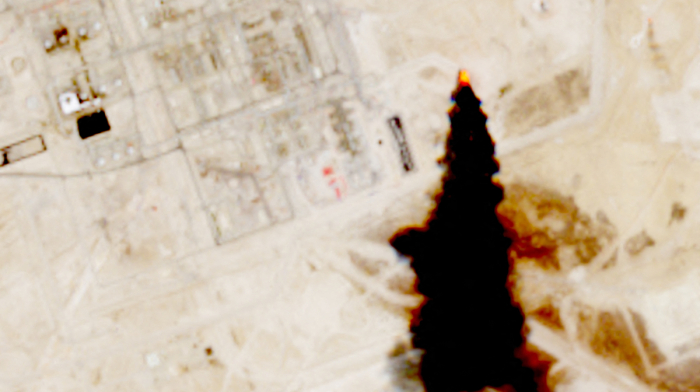
The losses followed the gradual reopening of the Strait of Hormuz after hostilities between the U.S. and Iran eased into a fragile ceasefire.
Market participants have increasingly focused on the possibility that diplomatic progress could further stabilise supplies from the region, although some analysts cautioned that shipping through the strait has yet to fully return to normal.
Rouble weakens as oil slump bites
In Russia, the rouble came under renewed pressure after a strong performance earlier in the quarter.
The currency weakened against both the dollar and the Chinese yuan as lower oil prices raised concerns about future export revenues.
At the same time, expectations of a stronger dollar and discussions over possible Federal Reserve tightening have added further pressure on the Russian currency.
Focus turns to central banks and economic data
Investors are now focused on upcoming European inflation reports, U.S. consumer confidence data, the JOLTS labour market report and comments from central bankers gathering in Sintra, Portugal, as markets assess the outlook for interest rates and economic growth.
Particular attention is expected to centre on remarks from Federal Reserve Chair Kevin Warsh amid growing debate over whether the U.S. central bank could raise rates later this year.
With AI-related stocks continuing to drive equity markets, economic data and signals from policymakers are likely to determine whether the strong momentum seen during the second quarter can be sustained.














What is your opinion on this topic?
Leave the first comment