live Houthis claim responsibility for Saudi Aramco, airport attacks, vow more
Yemen’s Houthis have claimed responsibility for the recent drone and missile strikes on Saudi Aramco facilities in Dhahran and Riyadh and at ...
Media leaders from across Europe gathered in Vienna this week for the annual European Publishing Congress.
Among the attendees was AnewZ's Orkhan Amashov, who joined more than 500 executives at the event to discuss artificial intelligence and its impact on the media and publishing industries.
The central question posed at the 2026 edition of the congress, held at Palais Niederösterreich, was: "Will we be able to govern and control AI before it governs us?"
Speakers included German-American journalist Ulrike Langer, who explored new revenue models emerging from the shift towards AI, and Laura Seiffe of Die Zeit, who discussed how the technology has been integrated into one of Germany's leading national weekly newspapers.
Other speakers included German radio and television presenter Chris Guse, who spoke about why editorial teams need a common data language to collaborate effectively with partners.
The programme also featured Pascal Biedenweg of FUNKE, Germany's largest media conglomerate, and veteran German journalist Stefan Aust.
The 2026 European Publishing Congress took place from 17 to 18 June.
Yemen’s Houthis have claimed responsibility for the recent drone and missile strikes on Saudi Aramco facilities in Dhahran and Riyadh and at King Khalid International Airport in Saudi Arabia, vowing to carry out more attacks in the coming days.
The Saudi-led coalition in Yemen said late Monday that it intercepted and destroyed two ballistic missiles launched by the Houthi group toward Khamis Mushait in southwestern Saudi Arabia.
Thousands of young Georgians leave the country each year in search of better economic opportunities, with many moving west. As questions grow over Georgia’s European path, AnewZ spoke to people who have emigrated about what it would take for them to return.
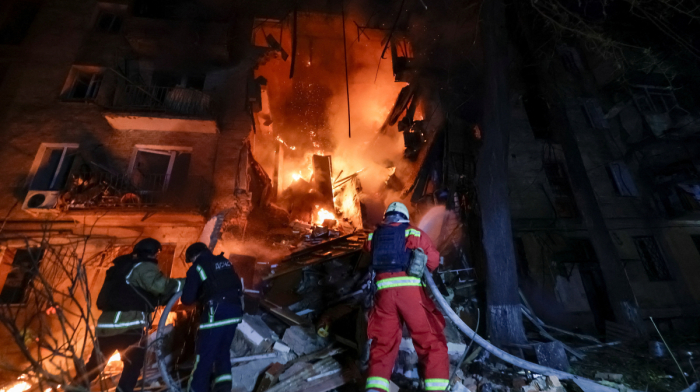
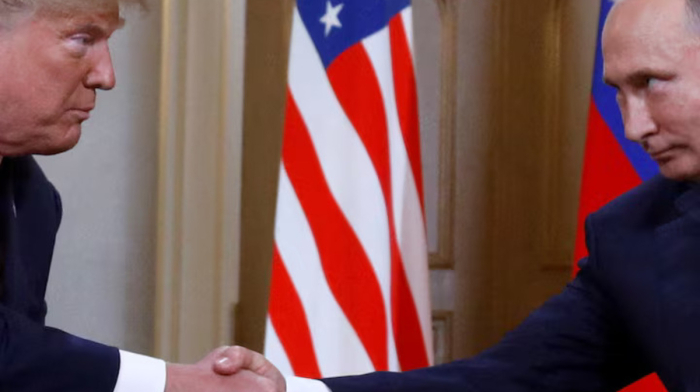
Ukrainian President Volodymyr Zelenskyy says Russia hit at least six energy targets in deadly strikes across Ukraine, showing Moscow is unwilling to accept the energy ceasefire announced by U.S. President Donald Trump.
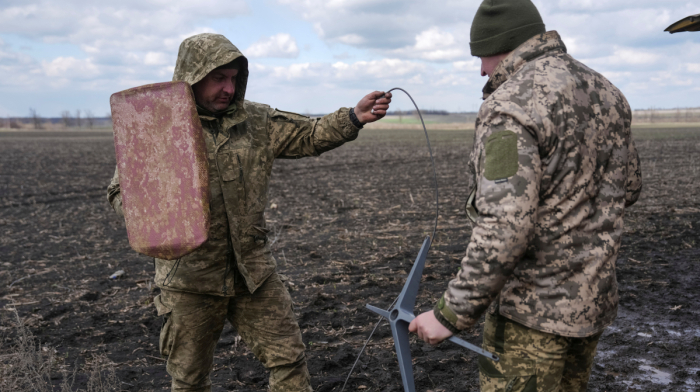
Ukraine's soldiers have had their access to Starlink satellite internet restricted. Kyiv's troops use the terminals, made by Elon Musk's SpaceX, to pilot drones. A source in Ukraine's Defence Ministry said the restrictions would make it harder for Kyiv's army to down Russian drones.
U.S. President Donald Trump has lifted sanctions on Russian diesel exports and announced a Russia-Ukraine energy ceasefire aimed at easing fuel prices ahead of November’s midterm elections. But can Moscow deliver and will the move will bring meaningful relief to markets?
Taiwan plans to buy 30 per cent of Alaska LNG's annual output and invest up to $4.4 billion in the project, but binding contracts and financing remain unresolved as the U.S. pushes to expand energy exports to Asia.
Asian stocks plunged to their lowest level in more than two months on Tuesday as advances by Chinese chipmakers rattled investor confidence in the artificial intelligence boom, despite soaring global semiconductor sales.
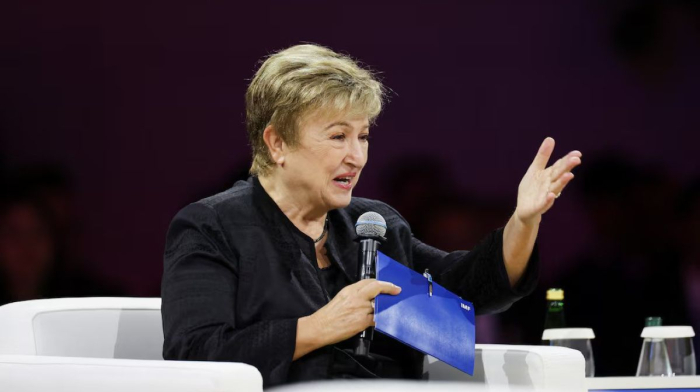
Artificial intelligence investment is helping sustain global growth at around 3 per cent, with Asia poised to reap major benefits. But soaring energy costs, unequal investment and growing pressure on young workers threaten to leave some economies behind.
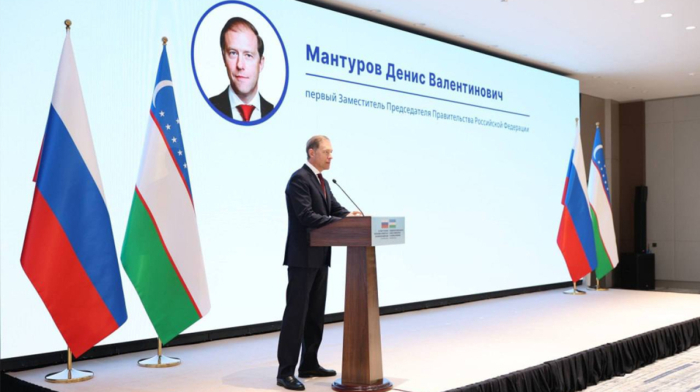
Uzbekistan and Russia have a portfolio of more than 200 joint projects worth almost $6 billion, as the two countries continue to expand regional and business ties. The projects were discussed during the third meeting of the Council of Regions of Russia and Uzbekistan, held in Fergana, Uzbekistan.
You can download the AnewZ application from Play Store and the App Store.
What is your opinion on this topic?
Leave the first comment