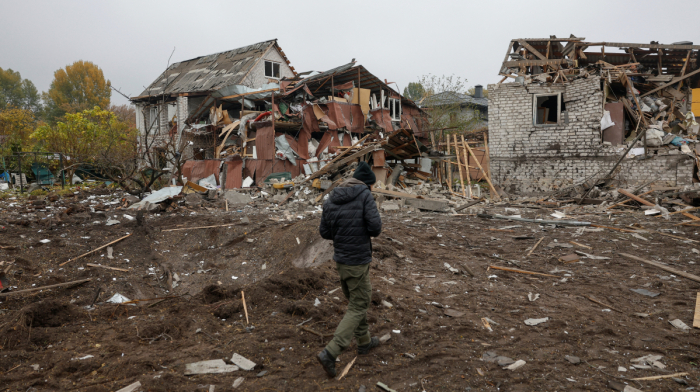
What happened at Temple Israel? Key details on the Detroit-area synagogue attack
A suspect crashed his truck into the hallway of a Detroit-area synagogue where children were attending preschool on T...
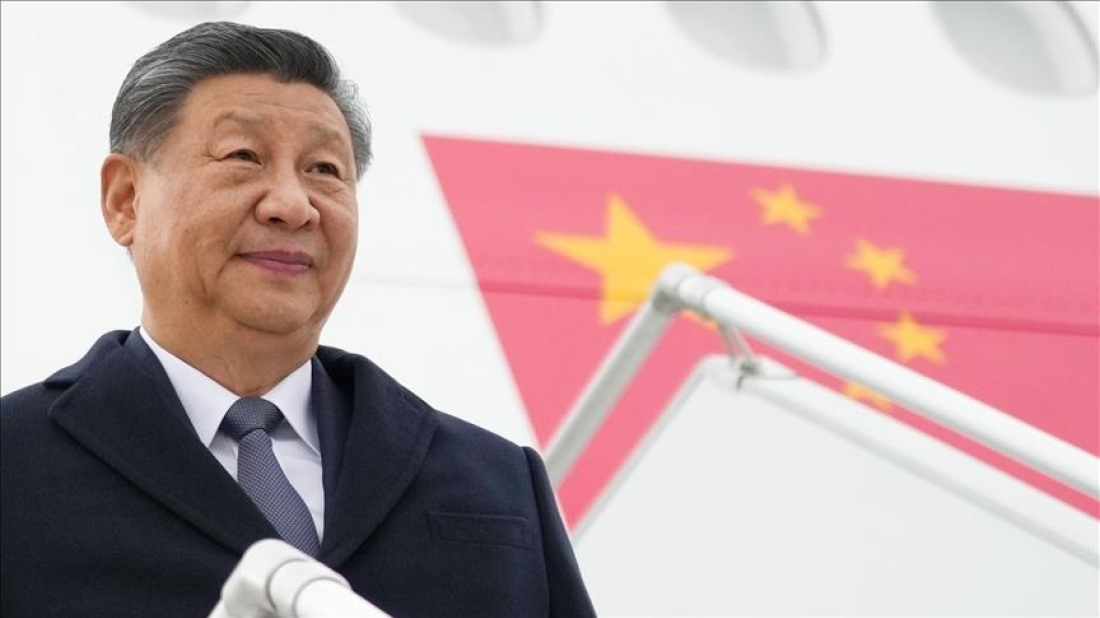
Chinese President Xi Jinping has described economic globalisation as an “irresistible trend of history,” emphasising the importance of multilateralism amid tariffs imposed by U.S. President Donald Trump.
Speaking at a virtual BRICS summit hosted by Brazil, Xi called for upholding multilateralism to “defend international fairness and justice,” according to a transcript released by the Chinese Foreign Ministry.
“Hegemonism, unilateralism, and protectionism are spreading rapidly,” Xi said, adding that “trade wars and tariff measures by certain countries severely disrupt the global economy and undermine international trade rules.”
His comments come as U.S. tariffs and protectionist policies continue to roil international markets, with Washington seeking bilateral trade agreements, including with Beijing.
“We must safeguard the international system with the United Nations at its core and the international order based on international law to strengthen the foundations of multilateralism,” Xi said.
He called for “openness and win-win cooperation to protect the international economic and trade order,” and reiterated that “economic globalisation is an irresistible trend of history.”
Xi stressed the need for inclusive globalisation, placing development at the centre of the international agenda, and ensuring that Global South countries participate as equals and share in the benefits of development.
Highlighting that BRICS nations account for nearly half of the world’s population, around 30% of global economic output, and one-fifth of global trade, Xi urged the bloc to work “more closely together.”
Beijing said it is ready to deepen cooperation with BRICS countries, leveraging their respective strengths in business, finance, science, and technology.
The BRICS bloc was originally formed by Brazil, Russia, India, and China, holding its first summit in 2009, and later expanded to include South Africa, Egypt, Ethiopia, Indonesia, Iran, Saudi Arabia, and the United Arab Emirates.

The 32 countries belonging to the Internatioanl Energy Agency agreed to release 400 million barrels of oil on Wednesday (11 March), in efforts aimed at bringing down the price of crude oil, which has soared since fighting between Iran, Israel and the U.S. started at the end of February.
The U.S. should shut down its military bases in the Middle East, Iran's new Supreme Leader Mojtaba Khamenei said on Thursday (12 March). His words were read out by a broadcaster on state Iranian television.
A towering lava fountain from Kilauea shot about 400 metres into the air late on Tuesday (11 March) on Hawaii Island, prompting temporary closures at Hawaii Volcanoes National Park and part of a key highway as volcanic ash and debris fell over nearby areas.
More than 68,000 children in eastern Afghanistan have been displaced after clashes between Afghan and Pakistani forces intensified along the border, according to a new report by Save the Children.
Georgia has cancelled international tenders for the construction of major road sections that form part of a regional highway linking the country with the borders of Armenia and Azerbaijan.
The prevailing security situation in the region has done little to deter entrepreneurs from the Commonwealth of Independent States (CIS) who continue to view Dubai as a premier and safe location for business.
China has raised the retail prices of petrol and diesel after global oil prices climbed sharply. The country’s top economic planning body, the National Development and Reform Commission (NDRC), announced the move after reviewing international oil market trends.
Global financial markets remained on edge on Friday as the escalating war involving the United States, Israel and Iran continued to rattle investors, fuelling volatility in stocks and sending energy prices sharply higher.
China’s top leadership has unveiled a new push to turn advanced technologies into large-scale industrial priorities as part of the country’s upcoming 15th Five-Year Plan, which will guide economic and social development from 2026 to 2030.
The European Commission sees no immediate impact on the European Union's security of oil supply from the escalating conflict in the Middle East, it said in an email to EU governments, seen by Reuters on Monday (2 March).
You can download the AnewZ application from Play Store and the App Store.
What is your opinion on this topic?
Leave the first comment