


20:20 CET
Politics
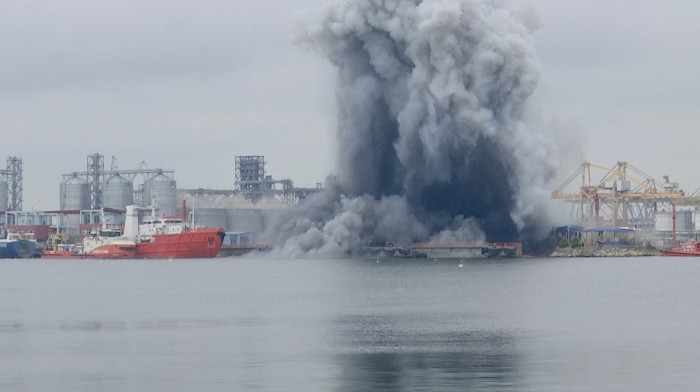
Three ships struck by drones in Black Sea near Romanian shipping canal
Drones have struck three commercial...



In a historic milestone for private space exploration, Japanese startup Dymon Co. has launched its ultra-compact moon rover, Yaoki, marking the world's first private lunar exploration mission.
The rover was sent into space on a SpaceX Falcon 9 rocket from NASA’s Kennedy Space Center in Florida on Wednesday, according to local media reports.
Yaoki, weighing just 498 grams and measuring approximately 14 centimeters in length and width with a height of 8 centimeters, is set to reach the lunar south pole in early March. Named after the Japanese proverb "nana korobi, ya oki"—meaning "fall seven times, get up eight"—the rover is designed to repeatedly right itself if it tips over, symbolizing resilience in the face of challenges.
Around 50 spectators gathered at the Space Travelium TeNQ museum in Tokyo to watch a live broadcast of the launch, underscoring the event's significance for Japan’s burgeoning private space sector. Once Yaoki lands on the lunar surface, it will spend approximately five days acclimatizing to the harsh temperature conditions before being deployed.
After this critical period, the rover will be remotely operated from Earth for several hours, during which it is expected to capture and transmit high-resolution images of the lunar terrain. Dymon Co. aims to pave the way for private companies to contribute to lunar exploration, setting a new precedent in the rapidly evolving space industry.

Drones have struck three commercial...
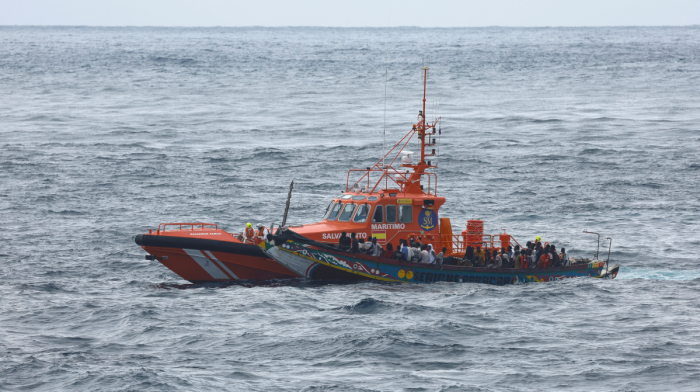
Almost 1,500 migrants arrived in Spain's Canary Islands on Saturday, the highest number in a single day sin...

The World Health Organization (WHO) warned on Friday (13 November) of surging respiratory illnesses in Gaza, ...
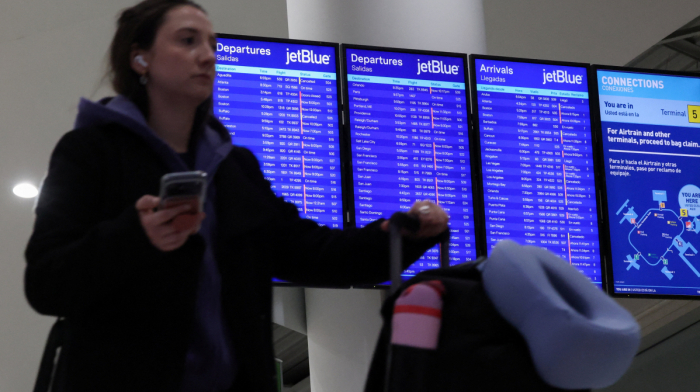
The U.S. Federal Aviation Administration lifted a nationwide ground stop on Friday (13 November) after a communications failure at air traffic control centres caused chaos at airports and triggered the longest nationwide shutdown since the 9/11 attacks in 2001.

More than 30 people have been taken to hospital after a cargo ship collided with a passenger cruise docked on the Mississippi River in New Orleans on Friday (13 November).
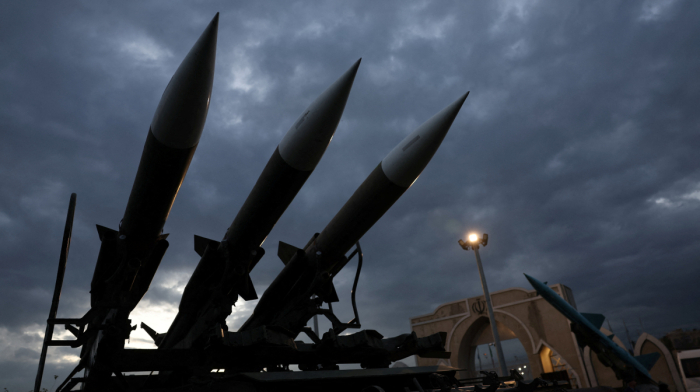
Saudi Arabia said it intercepted two Houthi ballistic missiles targeting Riyadh and three drones in its oil-rich Eastern Province on Sunday (15 November), as Iran's Revolutionary Guards claimed separate attacks on a U.S. military facility in Bahrain.

Europe will send a team of diplomats to Ukraine peace talks rather than a single envoy, EU leaders agreed on Friday at the end of a summit in Dublin.

Afghanistan’s Ministry of Education has challenged a United Nations report on access to education, saying its findings do not reflect the full picture of the country’s education system.
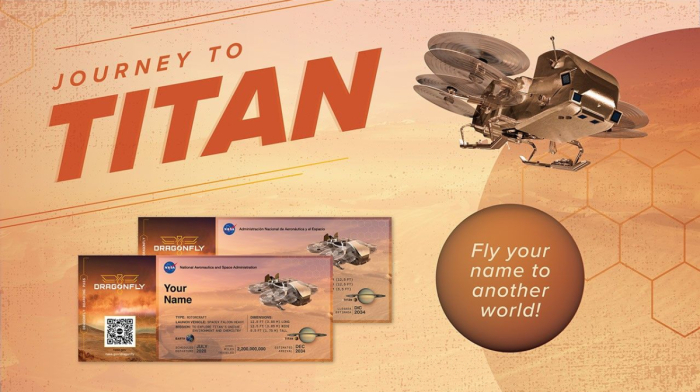
NASA is inviting people to send their names to Titan, Saturn’s largest moon, aboard its Dragonfly spacecraft. Set to arrive in late 2034, the mission will explore dunes and an impact crater in search of clues about how the chemical ingredients for life may have formed.

Environmental organisations worldwide are increasingly using artificial intelligence to monitor wildfires, protect endangered species and analyse climate data, even as the technology's rising energy and water consumption raises concerns about its environmental impact.
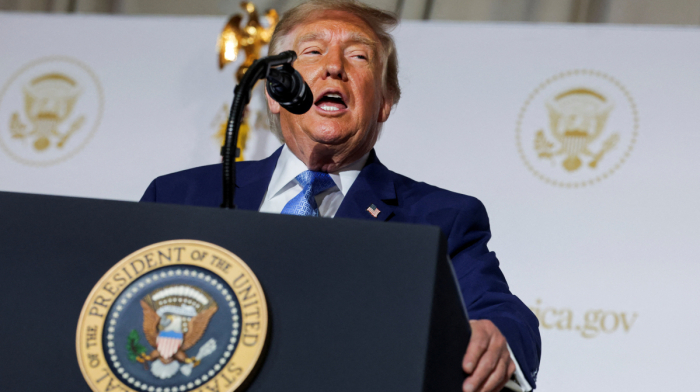
U.S. President Donald Trump said on Friday he would support states seeking to generate wealth through artificial intelligence, pledging to work with them as Democrats outlined plans to address the technology following Tuesday’s elections, which unsettled markets.

Dubai will host GITEX Global 2026 from 7 to 11 December, bringing together global technology leaders, governments and investors as surging demand for artificial intelligence (AI) puts pressure on energy supplies, computing capacity and digital infrastructure.
Saudi Aramco's acquisition of a 49 per cent stake in artificial intelligence (AI) company HUMAIN is putting a spotlight on a wider investment question: why are some of the world's biggest energy companies moving deeper into AI, and what do they expect to gain?
You can download the AnewZ application from Play Store and the App Store.




What is your opinion on this topic?
Leave the first comment