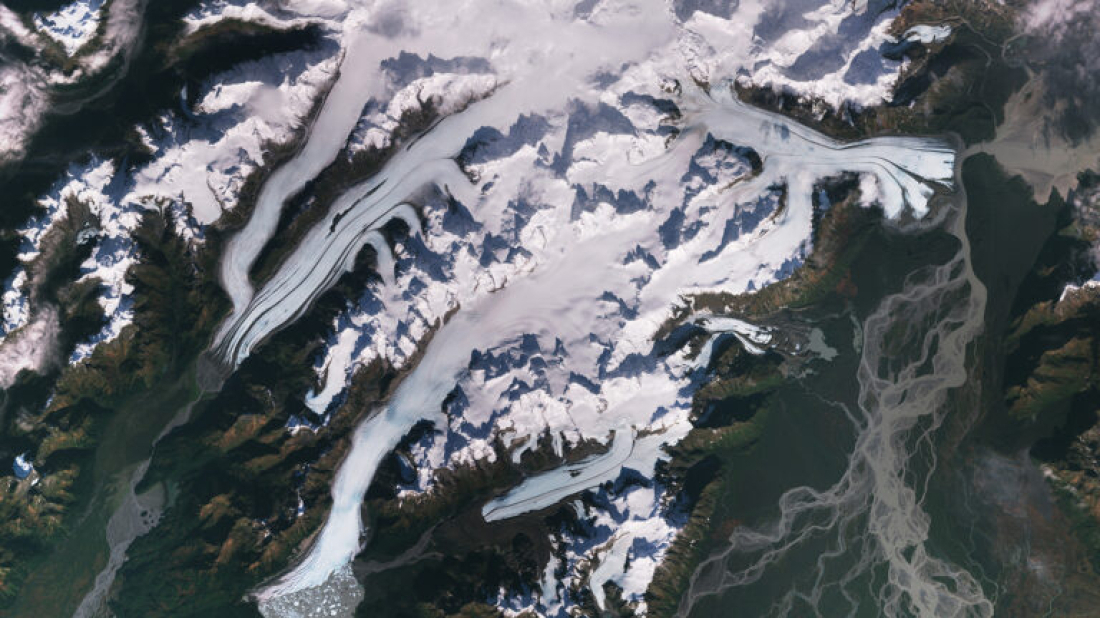
Ice loss from the world’s glaciers has surged by 36% in the last decade, raising alarm among scientists who warn of accelerated melting that could contribute to higher sea levels and threaten freshwater supplies.
The rapid melting of glaciers around the world has accelerated dramatically over the past decade, with researchers reporting a 36% increase in ice loss between 2012 and 2023 compared to the previous decade. This alarming trend, caused by rising global temperatures linked to greenhouse gas emissions, has raised concerns about faster-than-expected sea-level rise and the potential depletion of crucial freshwater sources for billions of people.
In an unprecedented global assessment, an international team of scientists has revealed that, on average, around 273 billion tonnes of ice are lost annually. To put this into perspective, this amount is equivalent to the world population's water consumption for the next 30 years. This acceleration in glacier melt is causing ice volume losses across the globe, with regions such as the European Alps experiencing up to a 40% reduction in ice mass.
Significant Impact on Sea Levels and Freshwater Supplies
Michael Zemp, a co-author of the assessment and a professor at the University of Zurich, described the findings as "shocking," though not surprising given the ongoing rise in global temperatures. The research, which has been published in Nature, shows that glaciers worldwide have lost approximately 5% of their volume since the start of the century. The melting of glaciers is now the second-largest contributor to global sea-level rise, after the thermal expansion of seawater as it warms.
The nearly two centimeters (0.8 inches) of sea-level rise attributed to glacier melt since 2000 has already put nearly four million more people at risk of flooding in coastal regions. As smaller glaciers melt faster than larger ones, many of them may not survive the current century, further intensifying the risks posed by sea-level rise.
A Global Effort to Track Ice Loss
The research was coordinated by the World Glacier Monitoring Service (WGMS), the University of Edinburgh, and Earthwave, and involved data from both field measurements and satellite observations. This comprehensive study aims to provide a reference for tracking global glacier loss and offers critical insights into the interplay between glacier retreat and climate change.
Zemp, who leads the WGMS, stated that the findings suggest glacier melt this century will exceed previous estimates made by the United Nations' Intergovernmental Panel on Climate Change (IPCC). As a result, scientists anticipate higher sea-level rise by the end of the century than previously expected. This ice loss will also have significant implications for freshwater supplies, particularly in regions like central Asia and the Andes, where glaciers provide a vital source of water.
The Threat of Ice Sheet Losses
While smaller glaciers are currently the main contributors to sea-level rise, there is growing concern about the future loss of massive ice sheets, such as those in Antarctica and Greenland. Professor Martin Siegert from the University of Exeter, who was not involved in the study, highlighted the troubling implications of these findings. He explained that the increasing mass loss from ice sheets is happening at a rate six times faster than it did 30 years ago, and when these ice sheets begin to change, the impact on sea levels could be measured in meters, not centimeters.
The new research is a stark reminder of the urgent need to address climate change and the crucial role glaciers play in regulating the Earth's climate. As glaciers continue to melt at an accelerating pace, the consequences for global sea levels, ecosystems, and human populations will only grow more severe in the coming decades.
Looking Ahead: The Road to Action
The study's findings also underscore the importance of continued monitoring and research into glacier dynamics. Thanks to advancements in satellite technology, scientists now have access to more accurate data than ever before, enabling them to track changes in the world’s 275,000 glaciers with greater precision. As the planet faces a warming future, understanding the full impact of glacier retreat and preparing for its consequences will be essential for mitigating its effects on coastal communities and global freshwater resources.
The research provides further evidence that the need for urgent climate action is more pressing than ever, with the fate of the world’s glaciers serving as a powerful indicator of the health of the planet.

















What is your opinion on this topic?
Leave the first comment