DNA studies reveal humans nearly vanished 900,000 years ago, with populations dropping to just a few thousand. Ancient climate chaos pushed early humans to the brink, shaping the survival story hidden in our genes today.
Around 900,000 years ago, early humans faced a crisis that could have ended our story before it truly began. New DNA research suggests that our ancestors’ population plummeted to just a few thousand individuals, a dramatic bottleneck that left a lasting mark on our genetic makeup.
“Think of it as a narrow bridge we had to cross,” says Dr. Mark Thomas, evolutionary geneticist at University College London. “One misstep, and our species might not exist today.”
The genetic fingerprints of near-extinction
Scientists studying patterns in modern human DNA, combined with ancient genetic material, can detect these population squeezes. When a species’ numbers drop sharply, rare mutations can disappear, and genetic diversity dwindles. “It’s like looking at a shadow of the past in our DNA,” explains Dr. Pat Shipman, anthropologist at Penn State University.
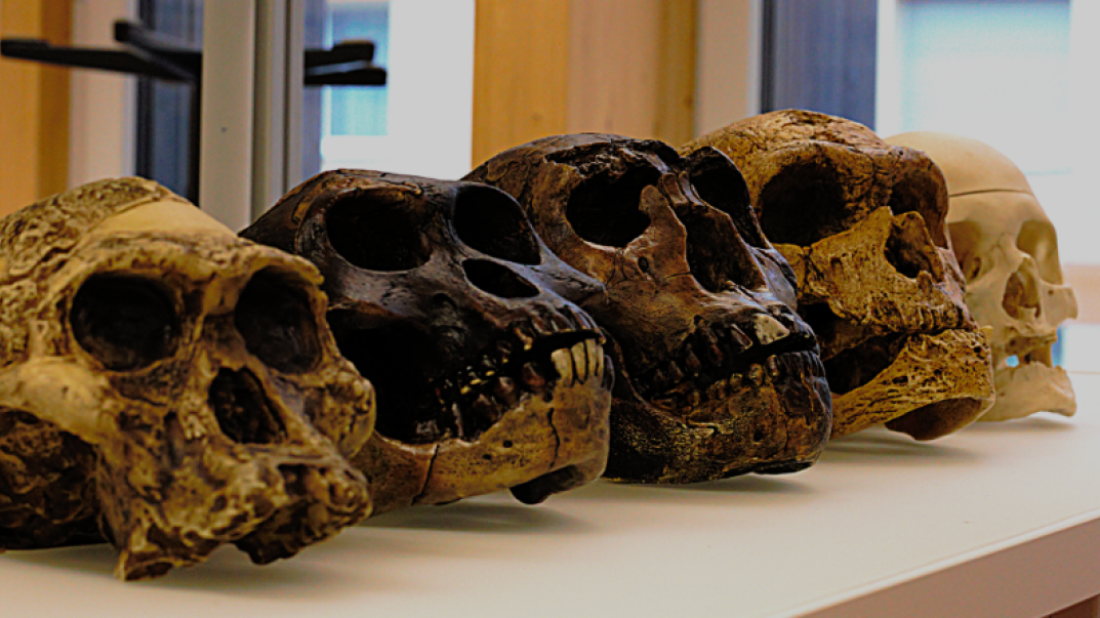
This bottleneck likely involved early humans such as Homo heidelbergensis and Homo erectus, long before Homo sapiens emerged around 300,000 years ago. Estimates suggest the global population may have dropped below 5,000 individuals, a dangerously low number that could have led to extinction.
Climate chaos and survival
So, what nearly wiped out humanity? Researchers point to severe climate swings during the mid-Pleistocene, including repeated ice ages that transformed landscapes and habitats. Droughts, volcanic activity, and shifting resources made survival increasingly difficult.
“Humans have always been adaptable,” says Dr. Shipman. “But bottlenecks like this remind us how fragile life can be, even for the cleverest species.” Those who survived did so through resilience, cooperation, and adaptability, passing on genes that would later help our species thrive.
Why this matters today
Understanding this ancient population squeeze is more than academic curiosity. It helps explain why human genetic diversity is relatively low, and why some rare traits appear globally. It also provides a window into our evolutionary resilience. “Studying these events teaches us about survival under pressure,” Dr. Thomas notes. “It’s a story of near-extinction that became a story of triumph.”
For the first humans, survival was not guaranteed. Yet from the brink of disappearance, they rebounded, setting the stage for the global spread of Homo sapiens hundreds of thousands of years later. The DNA within us today carries whispers of that perilous journey, a reminder that even in the harshest conditions, life finds a way.

























What is your opinion on this topic?
Leave the first comment