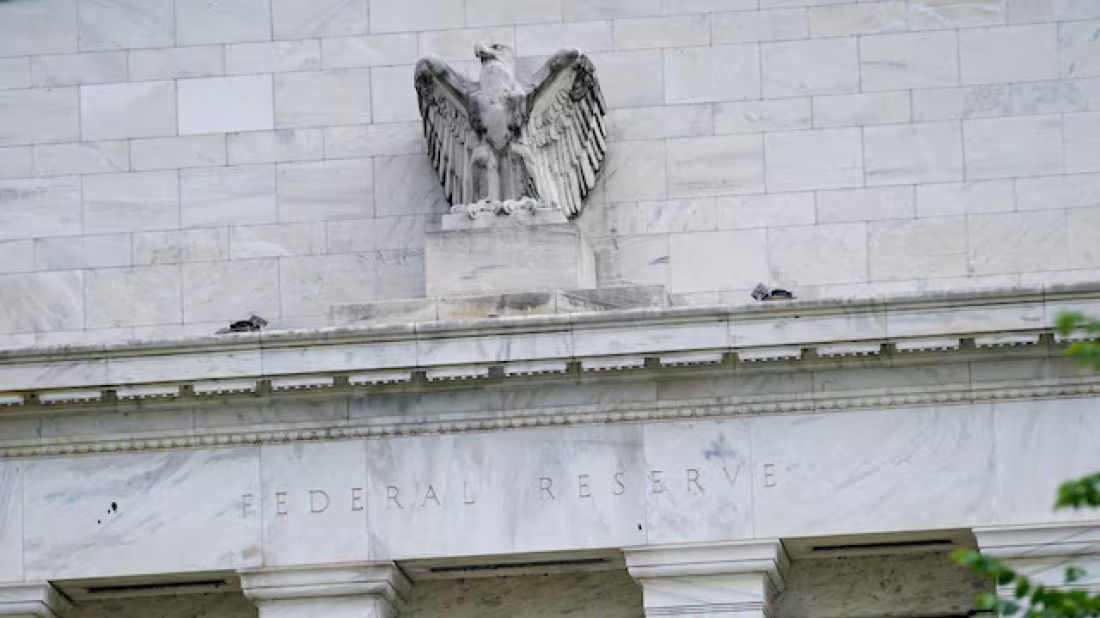
The Federal Reserve is likely to begin cutting interest rates in June, following a mixed jobs report that highlights both robust job growth and emerging signs of labor market weakness.
The report, released by the U.S. Labor Department on Friday, showed that employers added 151,000 jobs in February—well above the 80,000 to 100,000 range that Fed Governor Christopher Waller considers healthy. However, the data also revealed early indicators of a softening labor market that could complicate the central bank’s efforts to curb inflation.
While the strong job gains initially suggest resilience, the report noted that the unemployment rate ticked up to 4.1%, and a surge in part-time employment—stemming from workers unable to secure full-time positions—pushed the broader U-6 underemployment rate to 8%, its highest level since October 2021. Analysts have pointed to these developments, along with planned federal workforce reductions and uncertainty surrounding U.S. tariff policies, as potential red flags for sustained economic strength.
“The February report showed some softening in labor conditions even before the impact of larger cuts to federal hiring takes effect,” said Julia Coronado, president of MacroPolicy Perspectives. “Reduced immigration, federal job losses, and tariff uncertainty could substantially slow hiring in the months ahead.”
Following the report, traders in short-term interest rate futures adjusted their expectations, shifting the anticipated start of Fed rate cuts from May to June. Current projections suggest a total of three rate cuts in 2025, with policymakers set to update their rate-path projections at the upcoming March 18-19 policy meeting. Fed Chair Jerome Powell is expected to provide further insight into the economic outlook and monetary policy later today.
The evolving labor market picture comes amid persistent inflation above the Fed’s 2% target and ongoing price pressures from U.S. President Donald Trump’s tariff policies. Several Fed officials have emphasized that a strong labor market allows the central bank to maintain its benchmark overnight rate in the 4.25%-4.50% range until there is more progress on reducing inflation. However, the emerging signs of underemployment and rising unemployment add complexity to the current policy debate.
As the Fed navigates these challenges, market participants and policymakers alike will be closely watching for further developments in the labor market and inflation data before deciding on the next steps.




















What is your opinion on this topic?
Leave the first comment