Saudi Arabia issues emergency alerts as Houthi threats raise security concerns
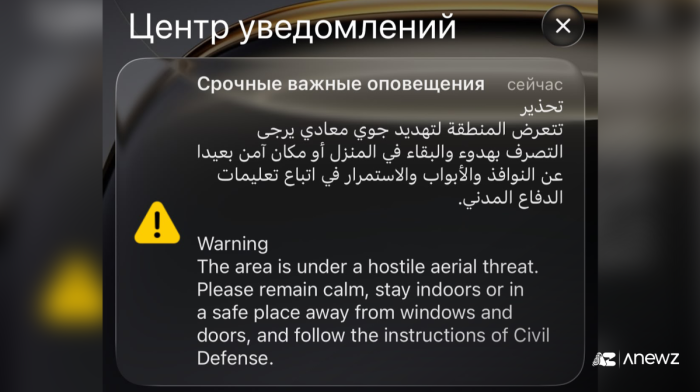
Saudi authorities issued emergency warnings to residents on Monday, urging people to remain indoors and follow ...
Poland has asked the European Commission to investigate TikTok after artificial intelligence-generated content calling for the country to leave the European Union appeared on the platform, which Warsaw says was likely Russian disinformation.
Poland has formally requested that the European Commission investigate TikTok after the platform hosted artificial intelligence-generated content calling for the country to withdraw from the European Union, the government said on Tuesday.
A TikTok profile featuring videos of young women dressed in Polish national colours and urging Poland to leave the EU gained significant attention in recent weeks before disappearing from the platform.
In a letter to the Commission, Deputy Digitalisation Minister Dariusz Standerski said the content posed a threat to public order, information security and the integrity of democratic processes in Poland and across the European Union.
He added that the narratives, distribution methods and use of synthetic audiovisual material suggested TikTok was failing to meet its obligations as a Very Large Online Platform under EU rules.
A Polish government spokesperson said the content was almost certainly Russian disinformation, citing the use of Russian syntax in the recordings.
TikTok said it had been in contact with Polish authorities and had removed content that violated its rules. The European Commission and the Russian embassy in Warsaw did not immediately respond to requests for comment.
The move comes as EU member states step up efforts to counter foreign interference in elections and domestic politics, amid repeated warnings about Russian-sponsored disinformation, espionage and sabotage. Russia has denied interfering in foreign elections.
Last year, the Commission opened formal proceedings against TikTok, owned by China’s ByteDance, over concerns it failed to prevent election interference, particularly during Romania’s presidential vote in November 2024.
Poland has now called on the Commission to initiate proceedings under the EU’s Digital Services Act, which requires large online platforms to remove harmful content. Companies found in breach of the rules can face fines of up to 6% of their global annual turnover.
One person was killed and nearly a dozen hurt in a fresh attack on Riyadh's international airport on Sunday, Saudi authorities reported, a day after a strike claimed by Yemen's Houthis killed 13 people and wounded more than 300.
Yemen's Houthis renewed warning to airlines, airport workers, and travellers against using Saudi airports, saying the warning should be taken seriously and that the kingdom “bore responsibility for failed interceptions”, a day after an attack on Riyadh's international airport that killed 12 people.
The Houthi movement has escalated their attacks on Saudi Arabia, targeting the airport in Riyadh and other cities, killing more than a dozen people.
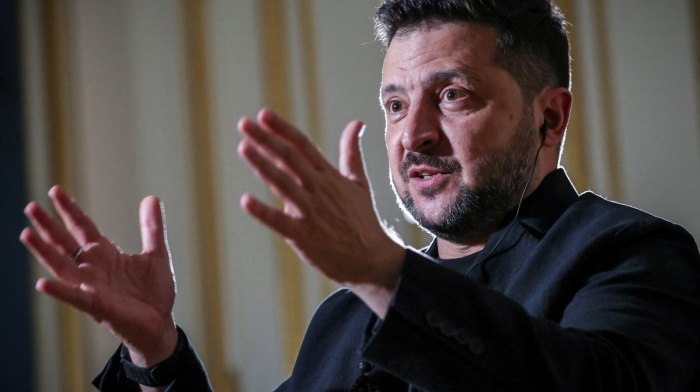
The Kremlin on Monday rejected a 60-day ceasefire idea proposed by Ukrainian President Volodymyr Zelenskyy to allow his country to hold presidential elections, saying it wanted an overall peace deal instead.
Ukraine is ready to stop attacks on Russian oil refineries if Moscow also halts strikes on Ukrainian energy infrastructure, President Volodymyr Zelenskyy said on Sunday.
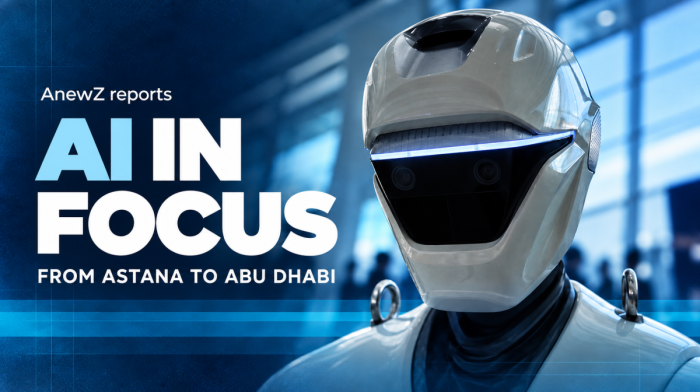
AnewZ’s recent reporting from Kazakhstan and the United Arab Emirates brings audiences closer to the technologies, and the decisions, shaping the future of artificial intelligence.
Anthropic has announced that it is updating its usage policy to allow its AI agents to end conversations involving repeated abuse or cruel behaviour towards them, citing previous incidents.
Türkiye has banned children under 15 from using social media under new regulations published on Saturday. The new regulations prohibit firms from providing services to children “who have not reached the age of 15.”
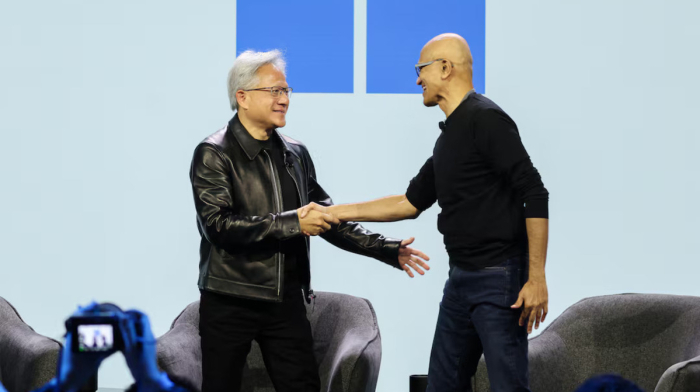
Microsoft has introduced new tools to stop AI agents from accessing data without permission, alongside a Nvidia-powered Surface laptop that can run advanced AI directly on the device.
Picture three scenarios: a hospital that can spot a disease before the patient feels sick, a power grid that feeds thousands of data centres and a government network that is attacked daily. All three depend on artificial intelligence, and one question matters most: who is really in charge?
You can download the AnewZ application from Play Store and the App Store.
What is your opinion on this topic?
Leave the first comment