Drone strike on Yemen's Houthi-held capital Sanaa injures 15
A drone strike on Yemen's Houthi-held capital Sanaa injured 15 people, Houthi news agency Saba reported on Saturday (28 November...
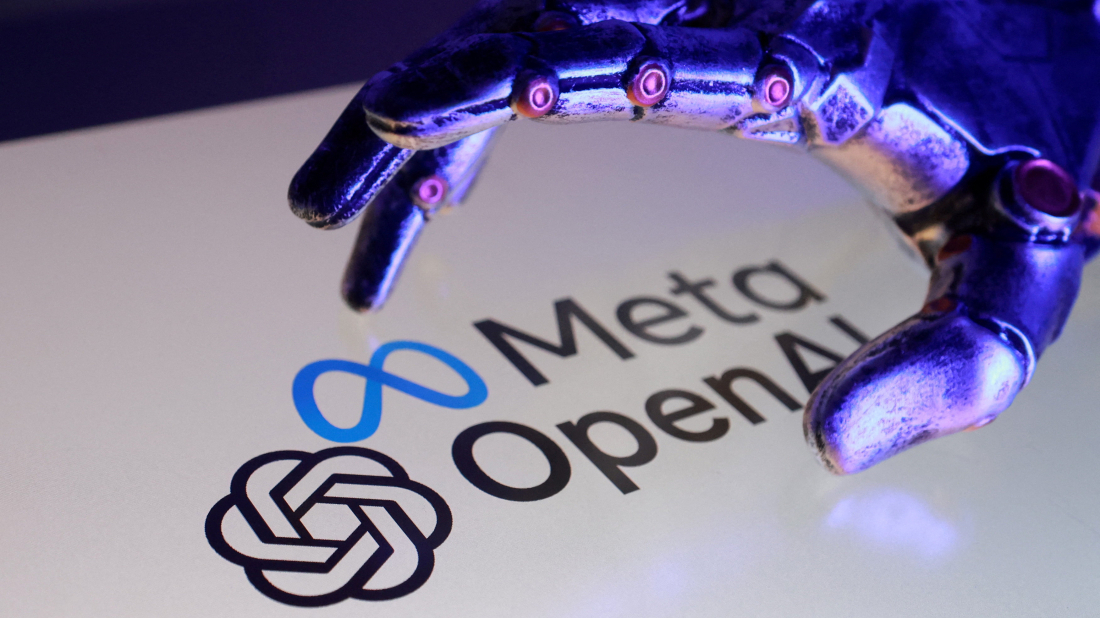
The U.S. Federal Trade Commission has launched an inquiry into seven technology companies over how their AI chatbots interact with children, amid rising concerns about safety and mental health risks.
The FTC said it is seeking details from Alphabet, OpenAI, Character.ai, Snap, Elon Musk’s XAI, Meta and its subsidiary Instagram on how they monetize AI chatbots, enforce age restrictions, and protect young users.
FTC chairman Andrew Ferguson said the investigation will help regulators “better understand how AI firms are developing their products and the steps they are taking to protect children,” while ensuring the US remains a leader in AI innovation.
Character.ai said it welcomed the chance to engage with regulators, while Snap voiced support for “thoughtful development” that balances innovation with safety. OpenAI has admitted its safeguards are weaker in long conversations.
The inquiry follows lawsuits against AI companies, including one filed in California by the parents of 16-year-old Adam Raine, who died by suicide after prolonged conversations with ChatGPT. His family claims the bot encouraged self-destructive thoughts. OpenAI has expressed condolences and said it is reviewing the case.
Meta has also come under fire after reports revealed its internal guidelines once permitted AI companions to have “romantic or sensual” conversations with minors.
The FTC’s orders seek information on how firms design chatbots, test their impact on children, and communicate risks to parents. While not an enforcement action, the probe could shape future rules on AI safety.
Concerns also extend beyond children. Experts warn of “AI psychosis,” where users lose touch with reality after intense chatbot interactions. In one case, a 76-year-old man with cognitive impairments died after traveling to meet a Facebook Messenger AI bot modeled on celebrity Kendall Jenner, believing the encounter would be real.
Clinicians warn that large language models often use flattery and agreement, which can reinforce harmful delusions.
OpenAI and other firms have since introduced new features to promote healthier user relationships with AI companions.

Iran's Islamic Revolutionary Guard Corps (IRGC) claimed on Friday that its air defence systems fired warning shots at a U.S. F-16 fighter jet near Hengam Island, forcing the aircraft to turn away amid continuing tensions over maritime navigation in the Strait of Hormuz.
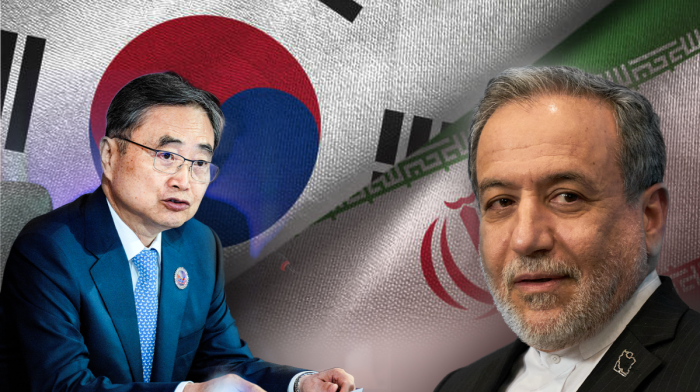
Iran has warned that the presence of foreign forces in the Gulf could escalate regional tensions as South Korea considers expanding its naval operations near the Gulf of Oman to protect commercial shipping.
Spain votes on 29 November in a snap election that could give the far right a place in national government for the first time since General Francisco Franco's dictatorship ended in 1975.
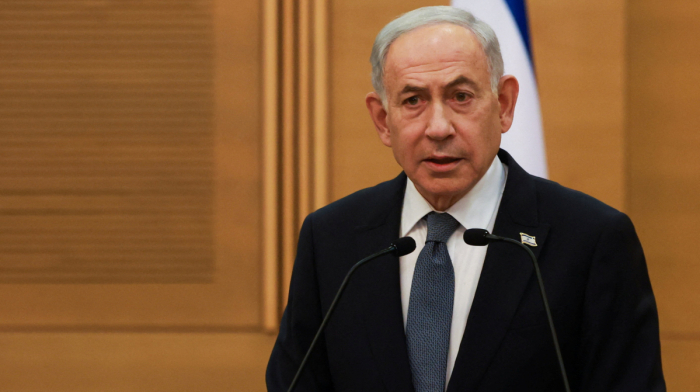
Israeli judges have recommended dropping one of the three corruption cases against Prime Minister Benjamin Netanyahu and reconsidering another, dealing a setback to prosecutors in his long-running trial.
Here's your AnewZ Daily Brief for the 27th of November, bringing you the latest developments shaping trade, transport, tourism and regional cooperation across the South Caucasus and Central Asia.
OpenAI has filed counterclaims against Apple in a California federal court, accusing the iPhone maker of stealing trade secrets and obstructing its access to hardware suppliers as competition over artificial intelligence devices intensifies.
For much of the past four years, the United States has treated advanced artificial intelligence (AI) chips as strategic assets, much like fighter jets, encryption systems or nuclear technology.
A Dutch cybersecurity organisation has revealed details of a suspected AI-driven cyberattack that exposed more than 4,000 personal email addresses, dozens of phone numbers and sensitive security information.
Huawei has been convicted on 10 of the 12 criminal counts it faced in a long-running U.S. case accusing the Chinese telecommunications company of deceiving banks about its business in Iran and stealing trade secrets from U.S. companies. A federal jury in Brooklyn reached the verdict on Tuesday.
China is leading a multinational effort to develop international standards to tackle the risks posed by generative artificial intelligence (AI), including deepfakes, manipulated data and security vulnerabilities.
You can download the AnewZ application from Play Store and the App Store.
What is your opinion on this topic?
Leave the first comment