Why are Gen Z protesters taking to Germany's streets?
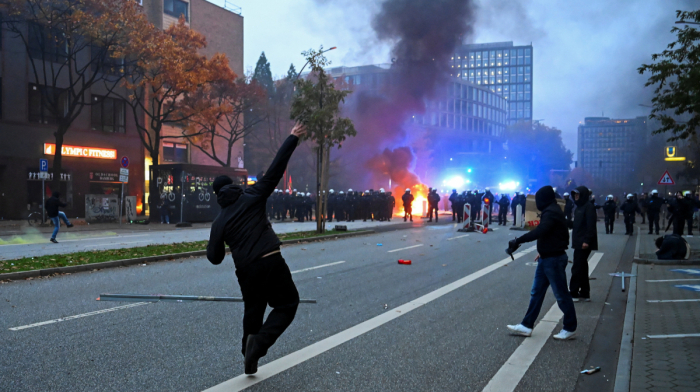
Gen Z protests swept 34 German cities on Saturday (31 October) over education, living costs and military service proposals. Violence erupted in Fra...
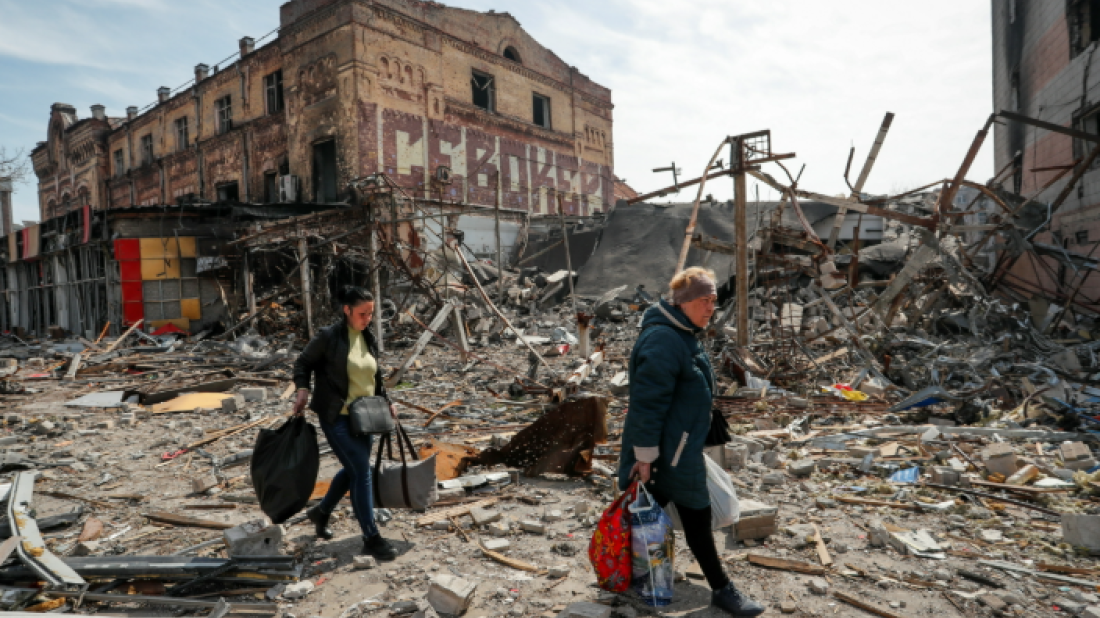
Russia launched a record 5,337 drones at Ukraine in June alone, marking the most intense month of drone warfare since the start of the full-scale invasion, according to Ukraine’s Air Force.
Russia has sharply escalated its aerial campaign against Ukraine, launching 5,337 drones in June — a 27% increase from the previous high of 4,198 drones recorded in March. The surge in attacks underscores a new phase of sustained and intensified warfare.
Speaking at a press conference in Kyiv alongside German Foreign Minister Johannes Wadephul, Ukrainian Foreign Minister Andriy Sybiha noted that in the past 18 months, only two days have passed without any missile or drone attacks on Ukraine.
The scale of attacks has grown exponentially. In June 2024, Russia launched just 332 drones. But on a single day this year — 29 June — 477 drones were deployed, marking the largest one-day aerial assault since the beginning of the war.
On 17 June, Kyiv experienced its deadliest assault since February 2022. That nine-hour strike killed 30 civilians and injured 172, according to Ukrainian officials.
President Volodymyr Zelenskyy said on 24 June that Russia had launched approximately 28,000 Shahed-type drones since early 2022. These drones, initially imported from Iran, have since been domestically replicated by Moscow under the name Geran. Russia has also introduced the Garpiya-A1 — a Shahed-like drone using Chinese components.
Another tactic in Russia’s arsenal includes the use of Gerber 'dummy' drones — visually identical to Shaheds but without explosives — to mislead Ukrainian air defence. These decoys now comprise up to half of all UAVs used in recent attacks.
Russia typically begins aerial offensives with drones and decoys, followed by cruise and ballistic missiles in coordinated waves designed to overwhelm Ukraine’s defences.
Regional authorities confirmed at least four civilians were killed and 15 injured in Kharkiv, Kherson, Mykolaiv, Sumy, and Zaporizhzhia as a result of the latest wave of attacks.
The U.S. has approved the sale of 500 Patriot PAC-3 missiles to Ukraine in a deal worth an estimated $2.1 billion, but Kyiv could face years of delays before receiving the weapons it urgently needs to defend against intensifying Russian attacks.
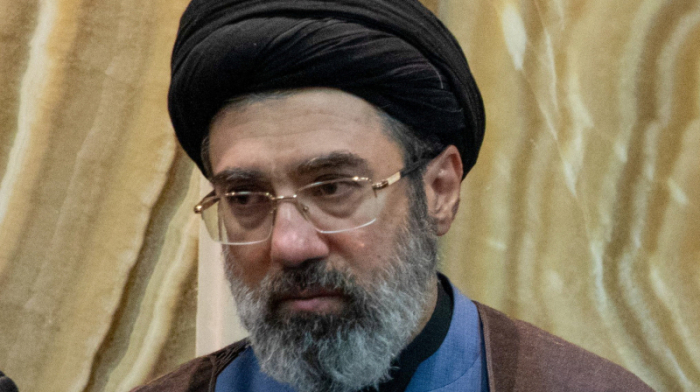
Iranian Supreme Leader Ayatollah Khamenei has ordered Iran's armed forces to respond to any threat immediately and without geographical limits in statements posted to social media platforms on Saturday (31 October).
Demonstrators carrying Iranian flags and placards supporting the hijab gathered outside the Azerbaijani Embassy in London.
A Chinese-made AI chip has matched Nvidia’s H200 in tests conducted by its developer, marking a potential breakthrough in China’s efforts to reduce its dependence on foreign technology.
A hacking group linked to North Korea is widely believed to be behind the theft of $6.3 billion from cryptocurrency giant Binance, a cyberattack that experts describe as the largest cryptocurrency heist on record.
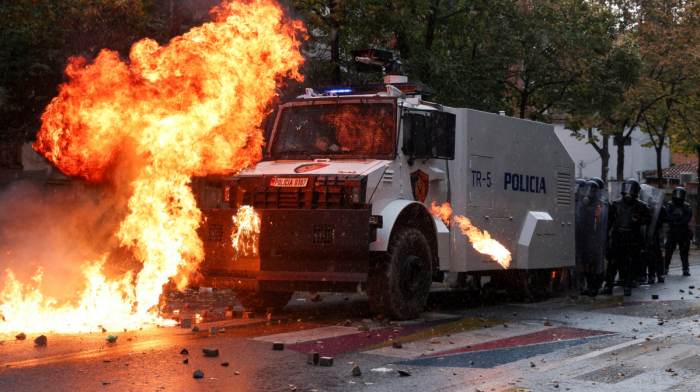
Gen Z protests swept 34 German cities on Saturday (31 October) over education, living costs and military service proposals. Violence erupted in Frankfurt, where shops were looted and police reported Molotov cocktail attacks.
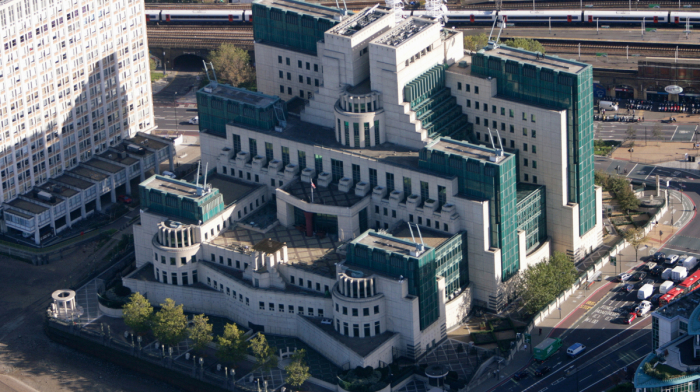
Iran designated Britain's Royal Navy and Royal Air Force as terrorist organisations on Sunday, (1 November), and classified the country's foreign intelligence agency, MI6, as a hostile group, according to a statement from the Iranian Foreign Ministry.
Thousands protested in Albania's capital, Tirana, on Saturday (31 October), demanding Prime Minister Edi Rama's resignation over perceived corruption allegations and dissatisfaction with the government over a lack of jobs and poor education standards.
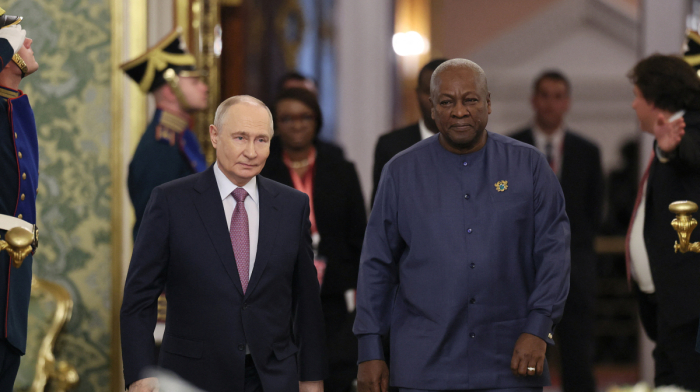
Russia has agreed to work with Ghana on developing a 2,000-megawatt nuclear power plant following talks at the Russia-Africa Summit in Moscow, Ghanaian Foreign Minister Samuel Okudzeto Ablakwa said on Saturday.
Foreign ministers from the U.S., Japan, Australia and India raised concerns over export restrictions and economic coercion at a Quad meeting in Atlanta, U.S., on Saturday, 31 October 2026, according to their joint statement.
You can download the AnewZ application from Play Store and the App Store.
What is your opinion on this topic?
Leave the first comment