live Trump cites Churchill in taunt at Starmer over Iran: All the latest news on the Iran strikes
U.S. President Donald Trump said the U.S. military has enough stockpiled weapons to fight wars "forever"; in a...
Iran’s exports to Kazakhstan through Golestan Province have tripled over the past three years, reaching $149 million in the most recent fiscal year, a senior provincial trade official announced, underscoring the strategic significance of regional trade routes despite a short-term dip in activity.
Speaking at a meeting on bilateral trade development, Darvish-Ali Hassanzadeh, director-general of Golestan Province’s Industry, Mining, and Trade Department, said exports through the northeastern province rose from $43 million in 2021–2022 to $149 million in 2024–2025, highlighting a growing trade partnership between the two countries.
Hassanzadeh emphasized Kazakhstan’s potential as a key player in Iran’s economic expansion, particularly for Golestan Province. He noted that both sides could benefit significantly from establishing dedicated logistics hubs to streamline the movement of goods and reduce trade bottlenecks.
Despite this long-term growth, recent trade data reveals a short-term decline. According to figures from Iran’s Customs Administration, trade between Iran and Kazakhstan during the first two months of the current Iranian fiscal year (March 21–May 21, 2025) totaled 82,800 metric tons valued at $36 million. This represents a 36.3% drop in value and a 33.3% decline in volume compared to the same period last year.
Officials did not specify the reasons behind the recent contraction, though analysts point to ongoing regional transportation challenges, currency fluctuations, and shifting trade policies as likely contributing factors.
Golestan Province, located near the Caspian Sea, has emerged as a key transit point in Iran’s northern trade corridors, playing a central role in boosting overland trade with Central Asia. Hassanzadeh suggested that further investment in infrastructure and cross-border cooperation could reinforce Iran-Kazakhstan trade ties and stabilize fluctuations in export performance.

The Kremlin is utilising the recent United States and Israeli military strikes on Iran to validate its ongoing war in Ukraine. Russian officials are pointing to the escalation in the Middle East as evidence that Western nations do not adhere to international rules.
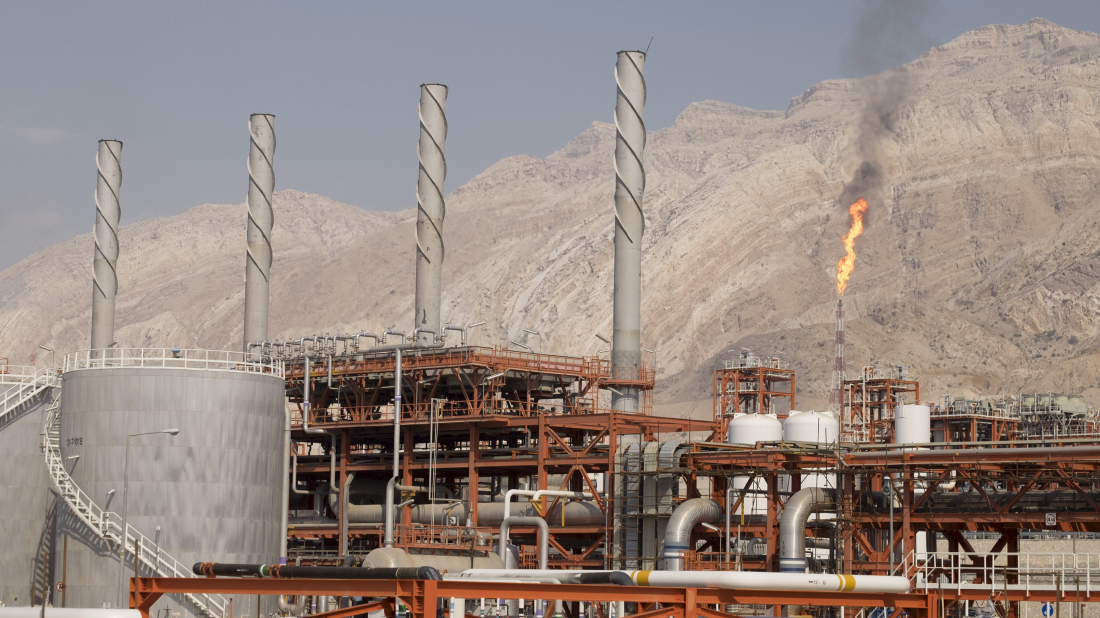
Saudi Arabia’s state oil giant Saudi Aramco closed its Ras Tanura refinery on Monday following an Iranian drone strike, an industry source told Reuters as Tehran retaliated across the Gulf after a U.S.-Israeli attack on Iranian targets over the weekend.
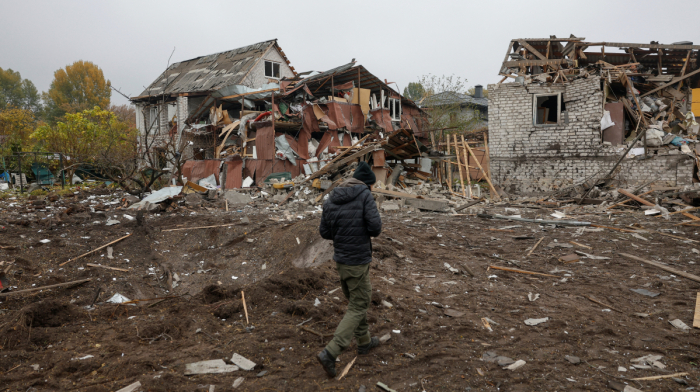
The Middle East crisis intensifies after the deadly attack on the compound of the Supreme Leader of Iran Ali Khamenei on Saturday that killed him, other family members and senior figures. Iran has launched retaliatory strikes on U.S. targets in the region.
U.S. President Donald Trump said the U.S. military has enough stockpiled weapons to fight wars "forever"; in a social media post late on Monday. The remarks came hours before conflict in Iran and the Middle East entered its fourth day.
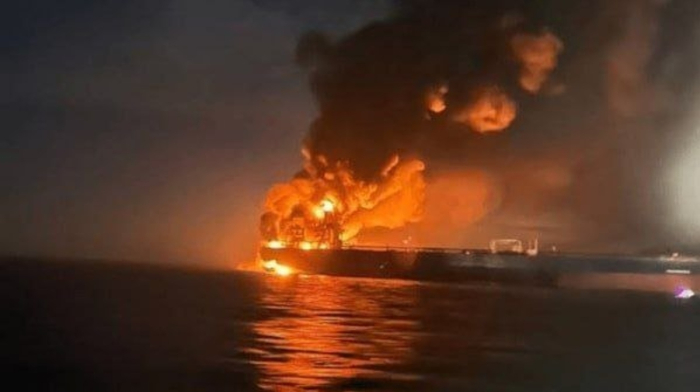
Türkiye raised its security level for Turkish-flagged vessels in the Strait of Hormuz to Level 3 on Sunday (2 March). The development follows Iranian restrictions on shipping after U.S. and Israeli strikes and confirmation of Supreme Leader Ali Khamenei’s death.
Strikes across the Middle East are intensifying, fuelling travel disruption, driving up global energy prices and forcing diplomatic missions to shut their doors as tensions continue to rise.
U.S. President Donald Trump has said the United States has a “virtually unlimited supply” of munitions and is capable of sustaining military action indefinitely, as the conflict with Iran entered its fourth day.
The United Nations has called for an investigation into a deadly attack on a girls’ primary school in Iran, which Iranian officials say has killed more than 100 children. The U.S. has said its forces “would not” deliberately target a school.
U.S. first lady, Melania Trump chaired a UN Security Council meeting on children and education in conflict on Monday (2 March), a move criticised by Iran as hypocritical following U.S. and Israeli strikes that triggered a UN warning about risks to children.
Start your day informed with AnewZ Morning Brief. Here are the top news stories for the 3rd of February, covering the latest developments you need to know.
You can download the AnewZ application from Play Store and the App Store.
What is your opinion on this topic?
Leave the first comment