At least 40 killed in high-speed train collision in Spain
The death toll from Sunday's collision between a derailing high-speed train and a second oncoming train in southern Spain has risen to 40, dozens more...
Ukraine and several Baltic and Nordic states are withdrawing from the Ottawa Convention banning anti-personnel mines, citing security threats from Russia.
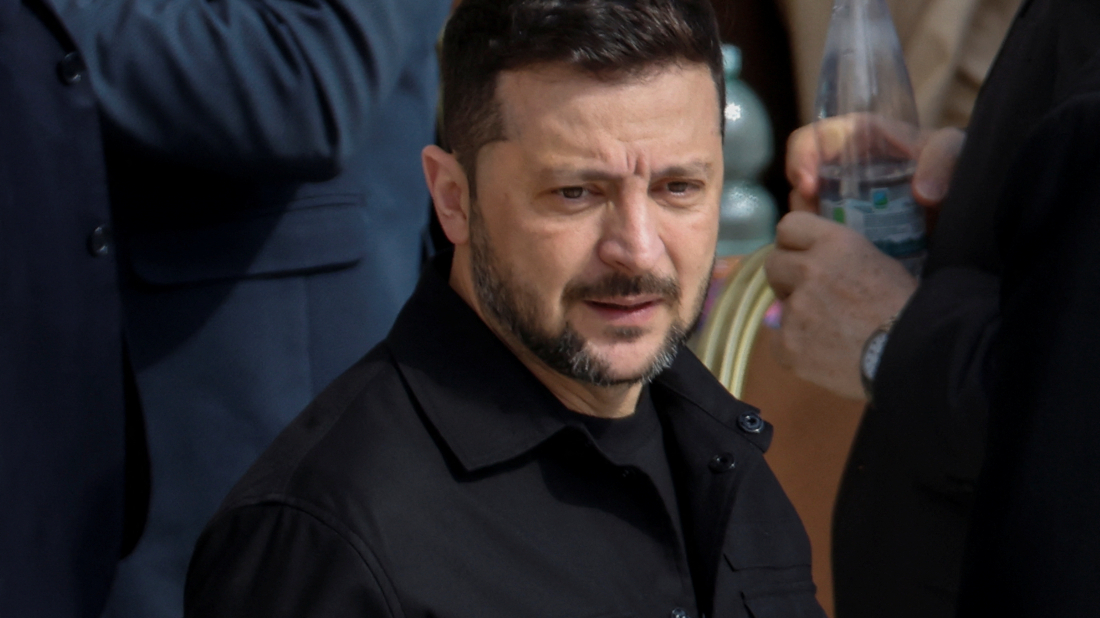
Ukraine’s President Volodymyr Zelenskyy has signed a decree initiating the country’s withdrawal from the Ottawa Convention, which prohibits the production and use of anti-personnel mines, according to an announcement on the presidential website on Sunday.
Ukraine ratified the convention in 2005. The decree states: "Support the proposal of the Ministry of Foreign Affairs of Ukraine to withdraw Ukraine from the Convention on the Prohibition of the Use, Stockpiling, Production and Transfer of Anti-Personnel Mines and on their Destruction of September 18, 1997."
Roman Kostenko, secretary of the Ukrainian parliament's committee on national security, defence and intelligence, said parliamentary approval is still required to finalise the withdrawal.
"This is a step that the reality of war has long demanded. Russia is not a party to this Convention and is massively using mines against our military and civilians," Kostenko wrote on Facebook.
"We cannot remain tied down in an environment where the enemy has no restrictions," he added, stressing that Ukraine’s legislative decision would restore its right to effectively defend its territory.
Meanwhile, Lithuania has formally notified the United Nations of its decision to leave the treaty, Foreign Minister Gabrielius Landsbergis said on X on Friday. Under treaty rules, Lithuania will no longer be bound by the convention six months after notification.
Parliaments of Lithuania, Latvia, Estonia, Finland and Poland – all NATO and EU members bordering Russia – have approved their countries’ withdrawal from the treaty, citing the increased military danger posed by their neighbour.
Russia has intensified its offensive operations in Ukraine in recent months, leveraging significant superiority in manpower.
Kostenko did not specify when the Ukrainian parliament would debate the withdrawal.

Italian Prime Minister Giorgia Meloni said on Saturday (17 January) that concerns over security in Greenland should be addressed within the framework of NATO, describing a ground military intervention as highly unlikely.
Elon Musk is seeking up to $134 billion from OpenAI and Microsoft, arguing that the companies profited unfairly from his early support of the artificial intelligence firm, according to a court filing made public on Friday.
Italian fashion designer Valentino Garavani has died at the age of 93, his foundation said on Monday.
European leaders voiced growing alarm on Sunday over U.S. threats to impose tariffs on eight NATO allies, warning the move could destabilize transatlantic relations and heighten tensions in the Arctic.
Syrian President Ahmed al-Sharaa has signed a decree recognising Kurdish language rights, as government forces advanced against U.S.-backed Kurdish-led fighters despite U.S. calls for restraint.
U.S. President Donald Trump has linked his push to take control of Greenland to his failure to win the Nobel Peace Prize, as tensions with Europe escalate and the European Union considers retaliatory measures that could reignite a transatlantic trade war.
Morocco’s King Mohammed VI has accepted an invitation from U.S. President Donald Trump to become a founding member of the U.S.-led Board of Peace, while France has declined to take part, citing concerns over the body’s mandate.
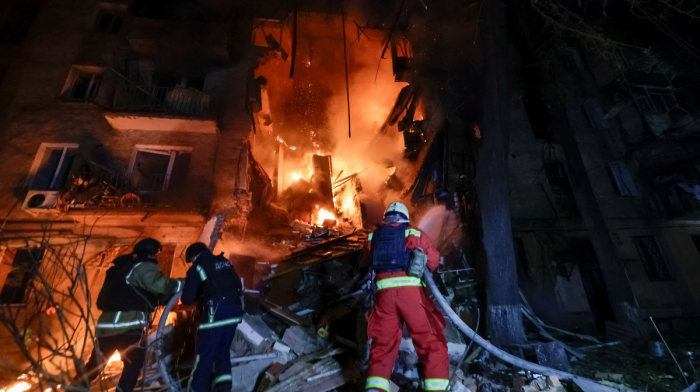
The death toll from Sunday's collision between a derailing high-speed train and a second oncoming train in southern Spain has risen to 40, dozens more injured.
Portugal’s far-right leader André Ventura is using the presidential race to consolidate political power rather than to secure the office itself, according to a senior political analyst, who says the real objective lies in strengthening his position ahead of future parliamentary elections.
French Prime Minister Sébastien Lecornu said on Monday (19 January) that the government will use special constitutional powers to force the passage of the 2026 budget without a parliamentary vote, despite earlier pledges to avoid doing so.
You can download the AnewZ application from Play Store and the App Store.
What is your opinion on this topic?
Leave the first comment