Start your day informed with AnewZ Morning Brief: here are the top news stories for 26th June, covering the latest developments you need to know.
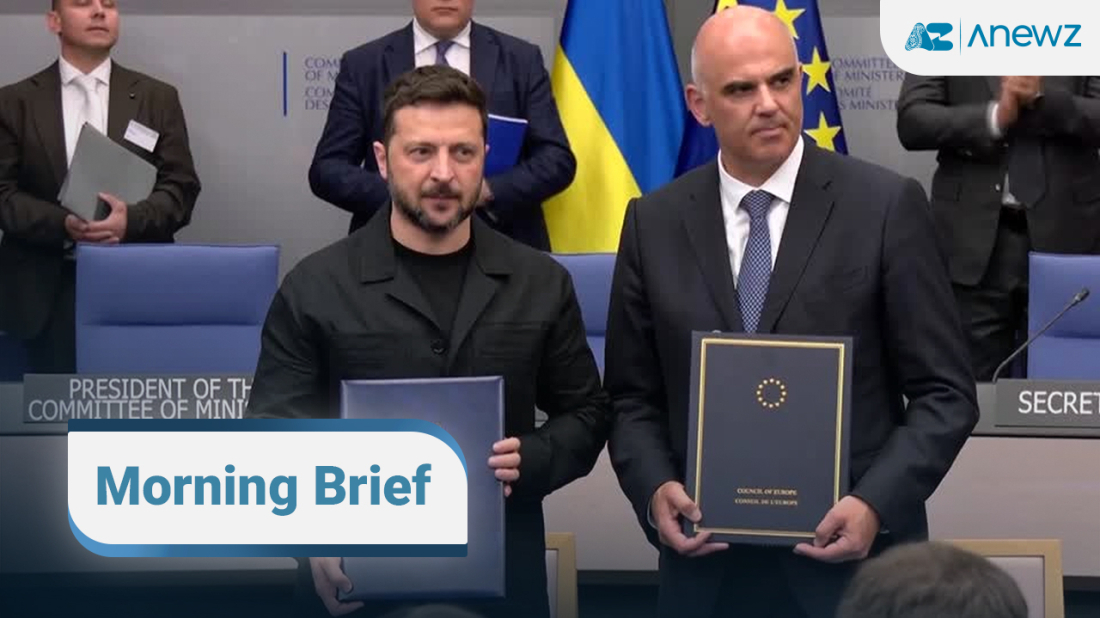
1. Zelenskyy and Council of Europe sign agreement on tribunal for Ukraine war
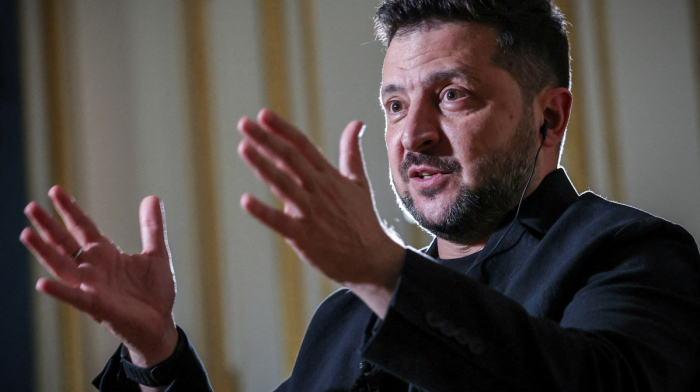
Ukrainian President Volodymyr Zelenskyy signed an agreement with the Council of Europe to establish a special tribunal to address the "crime of aggression" related to the 2022 conflict involving Russia. The tribunal aims to hold senior officials accountable and complement the International Criminal Court, which lacks jurisdiction over this crime. The court is expected to begin operations around 2026 with broader international participation.
2. Ceasefire holds as U.S. and Iran prepare for possible talks
The fragile ceasefire between Iran and Israel held for a second day on Wednesday, with U.S. President Donald Trump confirming that American and Iranian officials are expected to hold talks next week. Trump said the U.S. had achieved its military goals in Iran, claiming that strikes had “completely and fully obliterated” Tehran’s nuclear program. While Iran has not officially confirmed any talks, U.S. envoy Steve Witkoff said backchannel communications are ongoing. A planned sixth round of formal U.S.-Iran negotiations was cancelled after Israel’s attacks on 13 June.
3. Türkiye to host NATO summit in 2026
Türkiye will host the next NATO summit in 2026, followed by Albania in 2027, according to the final declaration from the alliance’s meeting in The Hague.
Leaders also agreed to raise defence spending targets to 5% of GDP, highlighting a shift toward greater burden-sharing. While support for Ukraine was reaffirmed, the summit’s main focus was on strengthening NATO’s future strategy and unity amid rising global tensions.
4. IAEA says Iran legally bound to cooperate on nuclear program
IAEA head Rafael Grossi reminded Iran that its cooperation with the agency is a legal obligation under the Non-Proliferation Treaty, not a choice. He expressed concern over Iran’s threats to limit inspections after Israeli strikes on its nuclear facilities.
Iran’s parliament has passed a bill to suspend cooperation with the IAEA, pending final approval.
5. China hosts SCO Defence Summit in Qingdao
China hosted the Shanghai Cooperation Organization's defence ministers' meeting in Qingdao, calling for stronger multilateral cooperation amid rising global tensions. Chinese Defence Minister Dong Jun criticized unilateralism and urged SCO members to uphold international stability following the Iran-Israel ceasefire. All 10 SCO member states, including India for the first time in five years, attended the summit.
6. Kenya faces deadly nationwide protests
At least 16 people were killed during nationwide anti-government protests in Kenya, marking one year since deadly tax protests in 2024. Rights groups, including Amnesty Kenya and the Kenya National Commission on Human Rights, accused police of using lethal force, with many victims shot by security forces. The unrest involved thousands of demonstrators, clashes with police, and disruptions in multiple cities, amid ongoing demands for justice and police accountability.














What is your opinion on this topic?
Leave the first comment