A preliminary U.S. intelligence report suggests strikes on Iran’s nuclear facilities have delayed the programme by only a few months, contradicting President Donald Trump’s assertion that it was completely destroyed.
A preliminary U.S. intelligence assessment has concluded that last weekend’s strikes on Iranian nuclear sites have only modestly disrupted Tehran’s programme, according to three sources familiar with the matter who spoke to Reuters.
The classified report, prepared by the Defense Intelligence Agency (DIA), found that Iran’s nuclear efforts may have been set back by just one or two months. This stands in contrast to President Trump and senior administration officials, who claimed the operation had "completely and fully obliterated" Iran’s nuclear capabilities.
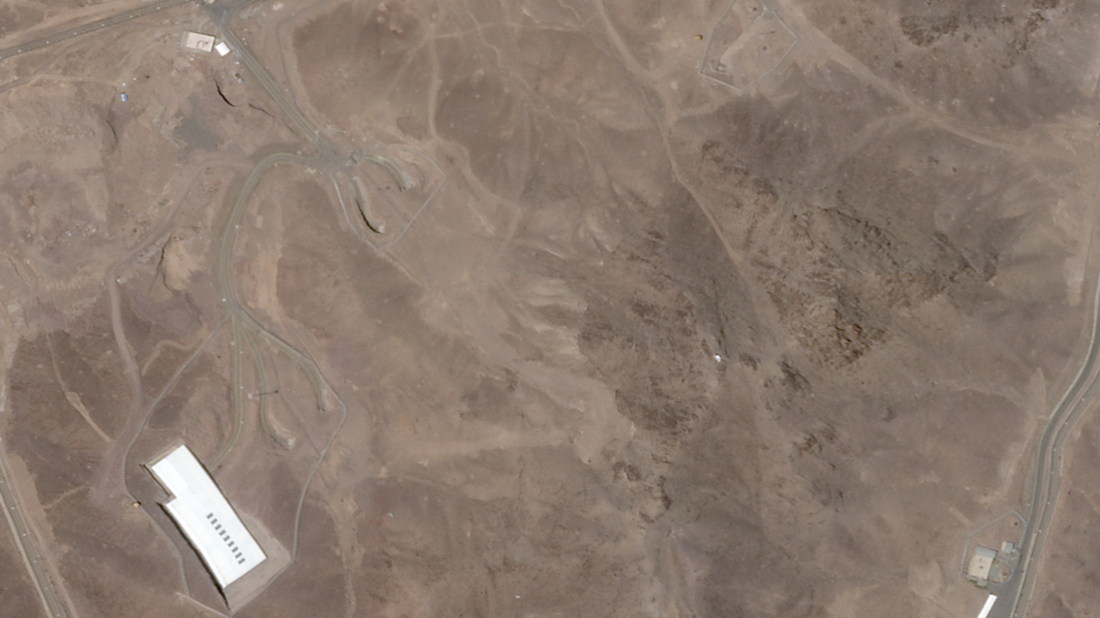
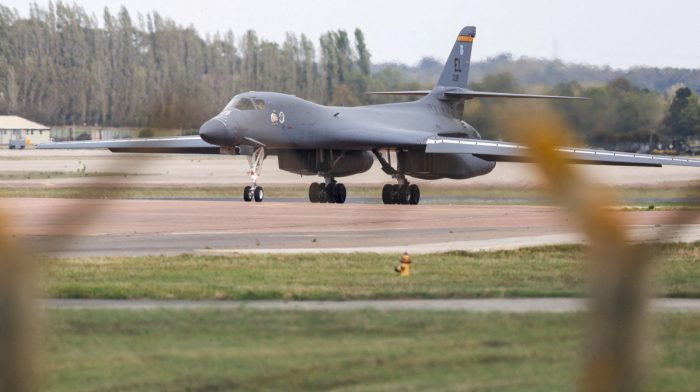
Over the weekend, the U.S. used a mix of bunker-busting bombs and conventional munitions to target key Iranian nuclear sites, including those at Fordow, Isfahan and Natanz. The Pentagon maintains that the strikes were successful, but a full damage assessment remains ongoing and is complicated by limited access and conflicting intelligence.
Defense Secretary Pete Hegseth defended the strikes, saying the bombs "hit exactly the right spot at each target—and worked perfectly." He added that any claims suggesting minimal damage were politically motivated attempts to discredit the President and the military mission.
Still, one source told Reuters that Iran’s enriched uranium stockpiles were not destroyed, and that the programme remains largely intact. Another official, speaking on condition of anonymity, acknowledged that the U.S. still does not have a complete picture of the damage.
The White House, in a statement to CNN, rejected the DIA’s conclusions. Press secretary Karoline Leavitt called the assessment "flat-out wrong," stating that "everyone knows what happens when you drop fourteen 30,000-pound bombs perfectly on their targets: total obliteration."
Initial intelligence evaluations are often revised as more data becomes available, and the differing opinions among agencies are not unusual. However, the report has added to political scrutiny, particularly among Democrats.
"There's zero evidence that I've seen that the nuclear programme was completely and totally obliterated as Donald Trump has claimed," said Democratic House Leader Hakeem Jeffries on Monday.
Classified briefings for lawmakers on the issue were unexpectedly cancelled on Tuesday.



















What is your opinion on this topic?
Leave the first comment